


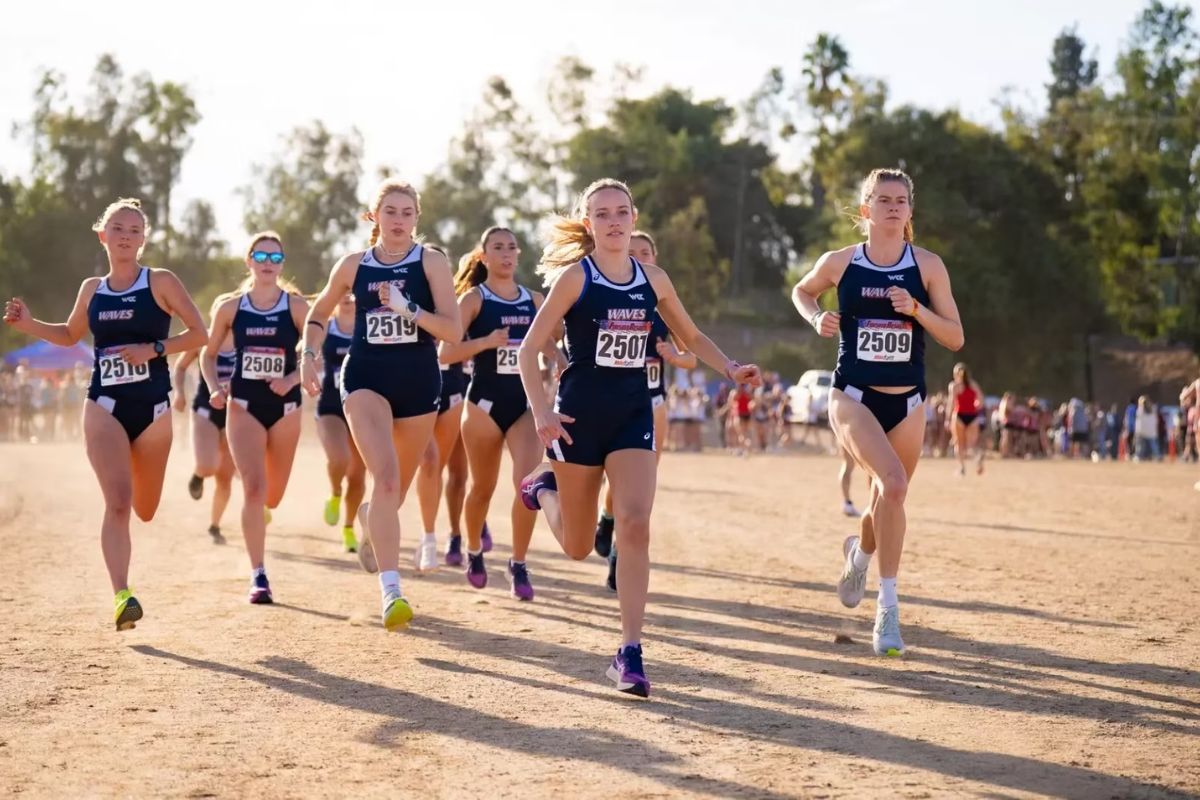
What makes the NCAA Cross Country Championships 2025 so special? The NCAA Cross Country Championships 2025 promises to be an event like no other. Held annually, this competition brings together the best college runners from across the nation. Expect thrilling races, intense rivalries, and record-breaking performances. From the grueling courses to the strategic team dynamics, every aspect of this championship is designed to test the limits of endurance and speed. Whether you're a fan of long-distance running or new to the sport, there's something captivating about watching these athletes push themselves to the brink. Stay tuned as we dive into 25 fascinating facts about this prestigious event.
The History of NCAA Cross Country Championships
The NCAA Cross Country Championships have a storied past, filled with incredible athletes and memorable moments. Here are some fascinating facts about its history.
-
First Championship: The first NCAA Cross Country Championship took place in 1938. It was held in East Lansing, Michigan, and hosted by Michigan State University.
-
Women's Championship: Women’s cross country was added to the NCAA Championships in 1981. This inclusion marked a significant step toward gender equality in collegiate sports.
-
Most Titles: The University of Arkansas holds the record for the most men's team titles, with 11 championships. On the women's side, Villanova University leads with 9 titles.
-
Longest Winning Streak: The University of Colorado men's team holds the record for the longest winning streak, securing five consecutive titles from 2000 to 2004.
-
Historic Venues: The championships have been held at various iconic venues, including the LaVern Gibson Championship Cross Country Course in Terre Haute, Indiana, which has hosted the event multiple times.
Memorable Performances
Over the years, the NCAA Cross Country Championships have seen some unforgettable performances by individual athletes and teams. Here are some standout moments.
-
Record Time: Henry Rono of Washington State set a record in 1976 with a time of 28:06.6 for the 10,000-meter race, a record that still stands.
-
First Female Winner: The first woman to win the NCAA Cross Country Championship was Betty Jo Springs from North Carolina State University in 1981.
-
Youngest Winner: The youngest male winner was Gerry Lindgren, who won in 1966 at the age of 19. For women, the youngest winner was Shalane Flanagan, who won in 2002 at the age of 21.
-
Back-to-Back Wins: Edward Cheserek from the University of Oregon won three consecutive titles from 2013 to 2015, a rare feat in the sport.
-
Dominant Team Performance: In 1997, the Stanford men's team scored just 46 points, one of the lowest team scores in the history of the championships.
The 2025 Championships
Looking ahead to the 2025 NCAA Cross Country Championships, there are several exciting developments and expectations. Here’s what to look forward to.
-
Host City: The 2025 championships will be held in Madison, Wisconsin, known for its challenging courses and enthusiastic crowds.
-
New Technology: Advanced timing systems and live-streaming capabilities will be used to enhance the viewing experience for fans worldwide.
-
Increased Participation: More teams and athletes are expected to participate in 2025, reflecting the growing popularity of cross country running.
-
Environmental Initiatives: The 2025 event will focus on sustainability, with efforts to reduce waste and promote eco-friendly practices.
-
Diversity and Inclusion: There will be initiatives to increase diversity and inclusion, ensuring that athletes from all backgrounds have the opportunity to compete.
Training and Preparation
Athletes and teams undergo rigorous training and preparation to compete at the highest level in the NCAA Cross Country Championships. Here are some insights into their preparation.
-
Altitude Training: Many top teams train at high altitudes to improve their endurance and performance.
-
Nutrition Plans: Athletes follow specialized nutrition plans to optimize their energy levels and recovery.
-
Mental Conditioning: Mental toughness is crucial in cross country running. Teams often work with sports psychologists to enhance their mental resilience.
-
Cross-Training: Incorporating activities like swimming and cycling helps athletes build overall strength and prevent injuries.
-
Team Bonding: Strong team dynamics are essential. Many teams engage in bonding activities to build trust and camaraderie.
Impact on Collegiate Athletics
The NCAA Cross Country Championships have a significant impact on collegiate athletics, influencing various aspects of the sport and beyond.
-
Scholarships: Success in cross country can lead to scholarships, providing athletes with educational opportunities.
-
Professional Careers: Many NCAA champions go on to have successful professional running careers.
-
Community Engagement: The championships bring communities together, fostering a sense of pride and support for local athletes.
-
Media Coverage: Increased media coverage has helped raise the profile of cross country running, attracting more fans and participants.
-
Health and Fitness: The sport promotes health and fitness, encouraging young people to stay active and pursue their athletic goals.
The Final Lap
The NCAA Cross Country Championships 2025 promises to be a thrilling event. With top athletes from across the country, the competition will be fierce. Expect to see record-breaking performances and unforgettable moments. The course, known for its challenging terrain, will test the endurance and skill of every runner. Fans can look forward to an exciting atmosphere, filled with the spirit of sportsmanship and camaraderie. Whether you're a seasoned cross country enthusiast or new to the sport, this championship is sure to captivate. Keep an eye on the rising stars and seasoned veterans as they push their limits. The 2025 championships will not only highlight athletic prowess but also the dedication and hard work of all participants. Get ready for an event that celebrates the best in collegiate cross country running.
Was this page helpful?
Our commitment to delivering trustworthy and engaging content is at the heart of what we do. Each fact on our site is contributed by real users like you, bringing a wealth of diverse insights and information. To ensure the highest standards of accuracy and reliability, our dedicated editors meticulously review each submission. This process guarantees that the facts we share are not only fascinating but also credible. Trust in our commitment to quality and authenticity as you explore and learn with us.