



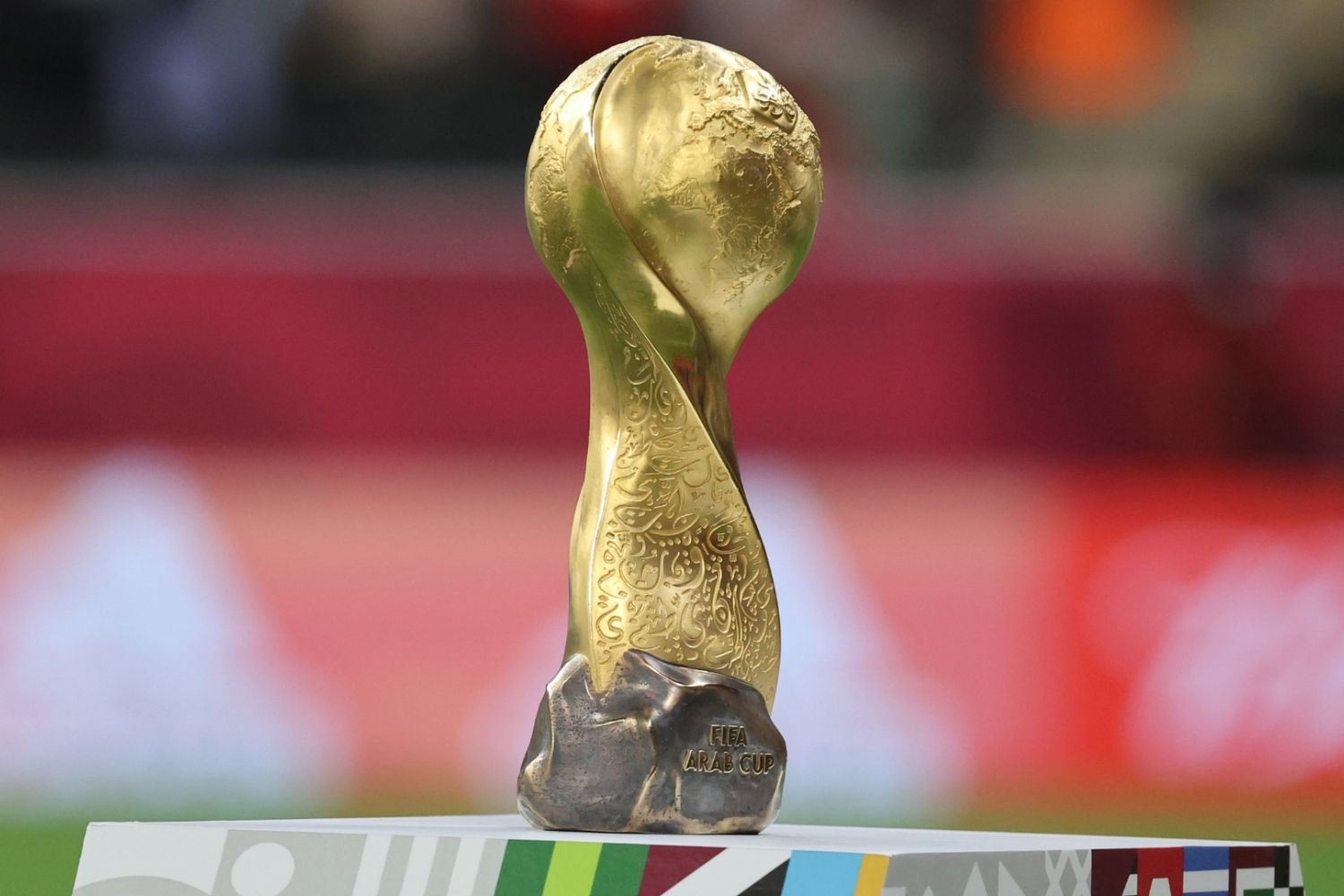
What is the Arab Cup? The Arab Cup is a football tournament that brings together national teams from the Arab world. Organized by the Union of Arab Football Associations (UAFA), this competition showcases the best football talent from countries in the Middle East and North Africa. First held in 1963, the Arab Cup has grown in popularity, becoming a significant event for football fans. Teams compete not just for the trophy but also for regional pride and bragging rights. The tournament has seen many memorable matches, legendary players, and thrilling moments. Whether you're a die-hard football enthusiast or just curious about the sport, the Arab Cup offers a fascinating glimpse into the rich football culture of the Arab world.
The Arab Cup: A Celebration of Football
The Arab Cup is a football tournament that brings together teams from across the Arab world. It showcases talent, fosters unity, and celebrates the rich culture of the region. Here are some fascinating facts about this exciting competition.
-
The Arab Cup was first held in 1963 in Lebanon. It was organized by the Union of Arab Football Associations (UAFA).
-
The tournament was initially called the Arab Nations Cup. It was later renamed to the Arab Cup.
-
The inaugural tournament in 1963 featured five teams: Lebanon, Syria, Jordan, Kuwait, and Tunisia.
-
Tunisia won the first Arab Cup, defeating Lebanon in the final match.
Evolution of the Arab Cup
Over the years, the Arab Cup has evolved, with changes in format, participating teams, and hosting countries. Here are some key developments.
-
The Arab Cup was held sporadically in its early years, with gaps of several years between tournaments.
-
In 1982, the tournament adopted a more regular schedule, aiming to be held every four years.
-
The number of participating teams has varied, with as many as 12 teams competing in some editions.
-
The tournament has been hosted by various countries, including Iraq, Saudi Arabia, and Qatar.
Memorable Moments in Arab Cup History
The Arab Cup has seen many memorable moments, from stunning goals to dramatic matches. Here are some highlights.
-
In 1985, Iraq won the Arab Cup for the third consecutive time, cementing their dominance in the tournament.
-
The 1992 Arab Cup in Syria saw Egypt win their first title, defeating Saudi Arabia in the final.
-
The 2002 edition in Kuwait featured a thrilling final between Saudi Arabia and Bahrain, with Saudi Arabia emerging victorious.
-
In 2012, Morocco won their first Arab Cup, defeating Libya in the final held in Saudi Arabia.
Notable Players and Coaches
The Arab Cup has showcased the talents of many notable players and coaches. Here are some who have left a mark on the tournament.
-
Mahmoud El Khatib, an Egyptian football legend, played a key role in Egypt's 1992 Arab Cup victory.
-
Saudi Arabian striker Majed Abdullah was the top scorer in the 1985 Arab Cup, helping his team reach the final.
-
Iraqi coach Ammo Baba led Iraq to three consecutive Arab Cup titles in 1964, 1966, and 1985.
-
Moroccan coach Rachid Taoussi guided Morocco to their first Arab Cup title in 2012.
The Impact of the Arab Cup
The Arab Cup has had a significant impact on football in the Arab world, promoting the sport and fostering unity among nations. Here are some ways it has made a difference.
-
The tournament has provided a platform for young players to showcase their talents and gain international experience.
-
It has helped strengthen ties between Arab countries, fostering a sense of unity and camaraderie.
-
The Arab Cup has contributed to the development of football infrastructure in host countries, with investments in stadiums and training facilities.
-
The tournament has also boosted tourism in host countries, attracting fans from across the region.
The Future of the Arab Cup
The Arab Cup continues to grow in popularity and significance. Here are some exciting developments to look forward to.
-
The 2021 Arab Cup, held in Qatar, served as a test event for the 2022 FIFA World Cup, showcasing the country's readiness to host major international tournaments.
-
The 2021 edition featured 16 teams, the largest number of participants in the tournament's history.
-
The tournament has seen increased media coverage, with matches broadcast to millions of viewers around the world.
-
The Arab Cup has inspired the creation of other regional tournaments, such as the Gulf Cup and the North African Cup.
-
The future of the Arab Cup looks bright, with plans to continue expanding the tournament and increasing its global reach.
The Arab Cup's Impact
The Arab Cup isn't just a tournament; it's a celebration of culture, unity, and passion for football. From its humble beginnings in 1963 to its current status, the competition has grown immensely. It has provided a platform for Arab nations to showcase their talent and foster camaraderie. Fans have witnessed unforgettable moments, legendary players, and thrilling matches.
The tournament's significance goes beyond the pitch. It strengthens ties between countries, promotes tourism, and boosts local economies. The Arab Cup also inspires young athletes to dream big and pursue their goals. As the event continues to evolve, its legacy will undoubtedly leave a lasting impact on the region and the world of football.
So, whether you're a die-hard fan or a casual observer, the Arab Cup offers something special for everyone. Embrace the excitement and celebrate the beautiful game!
Was this page helpful?
Our commitment to delivering trustworthy and engaging content is at the heart of what we do. Each fact on our site is contributed by real users like you, bringing a wealth of diverse insights and information. To ensure the highest standards of accuracy and reliability, our dedicated editors meticulously review each submission. This process guarantees that the facts we share are not only fascinating but also credible. Trust in our commitment to quality and authenticity as you explore and learn with us.