



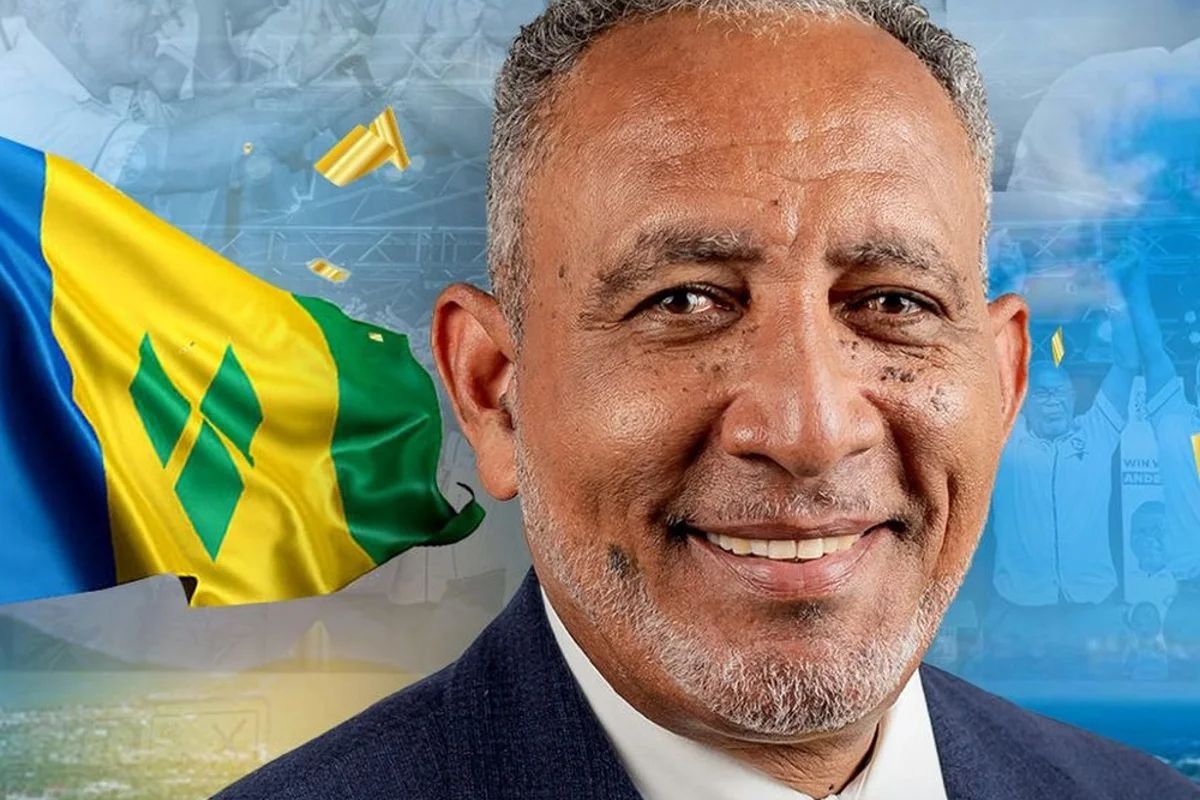
Ever wondered how elections work in St. Vincent and the Grenadines? This Caribbean nation, known for its stunning islands and vibrant culture, also boasts a fascinating electoral system. Elections in St. Vincent and the Grenadines are a blend of tradition and modernity, reflecting the country's unique political landscape. From the role of the Governor-General to the significance of the House of Assembly, each element plays a crucial part in shaping the government. Did you know that the country follows a parliamentary democracy, where the Prime Minister is the head of government? Or that the voting age is 18, allowing young adults to have a say in their nation's future? Whether you're a political junkie or just curious, these facts will give you a deeper understanding of how this island nation chooses its leaders.
The Basics of St. Vincent and the Grenadines Elections
St. Vincent and the Grenadines, a beautiful island nation in the Caribbean, has a rich political history. Its elections are a fascinating blend of tradition and modernity. Here are some intriguing facts about the electoral process in this tropical paradise.
-
St. Vincent and the Grenadines gained independence from the United Kingdom on October 27, 1979. This marked the beginning of its journey as a sovereign nation with its own electoral system.
-
The country operates under a parliamentary democracy. This means that the government is elected by the people, and the Prime Minister is the head of government.
-
Elections are held every five years. This regular interval ensures that the government remains accountable to the people.
The Electoral System
Understanding the mechanics of the electoral system can shed light on how leaders are chosen in St. Vincent and the Grenadines.
-
The House of Assembly is the main legislative body. It consists of 15 elected members and six appointed senators.
-
Members of the House of Assembly are elected using the first-past-the-post system. In this system, the candidate with the most votes in each constituency wins.
-
There are 15 constituencies in St. Vincent and the Grenadines. Each constituency elects one member to the House of Assembly.
Political Parties and Candidates
Political parties play a crucial role in shaping the electoral landscape. Here are some key facts about the parties and candidates.
-
The two main political parties are the Unity Labour Party (ULP) and the New Democratic Party (NDP). These parties have dominated the political scene for decades.
-
Ralph Gonsalves, leader of the ULP, has been Prime Minister since 2001. His long tenure is a testament to his political influence and popularity.
-
Candidates must be at least 21 years old to run for office. This age requirement ensures that candidates have a certain level of maturity and experience.
Voting Process
The voting process in St. Vincent and the Grenadines is designed to be fair and transparent. Here are some details about how voting works.
-
Voters must be at least 18 years old. This age requirement aligns with many other democratic nations around the world.
-
Voter registration is mandatory. Citizens must register to vote, ensuring that only eligible voters participate in the elections.
-
Voting is done by secret ballot. This method protects the privacy of voters and helps prevent intimidation or coercion.
Election Day
Election day is a significant event in St. Vincent and the Grenadines, filled with excitement and anticipation.
-
Polling stations open at 7:00 AM and close at 5:00 PM. This 10-hour window gives voters ample time to cast their ballots.
-
Election day is a public holiday. This allows citizens to participate in the electoral process without work-related constraints.
-
Election observers are often present. These observers help ensure that the election is conducted fairly and transparently.
Election Results
The announcement of election results is a highly anticipated event. Here are some facts about how results are handled.
-
Results are usually announced within 24 hours of the polls closing. This quick turnaround helps maintain public trust in the electoral process.
-
The party with the majority of seats in the House of Assembly forms the government. This party's leader typically becomes the Prime Minister.
-
In the event of a tie, the Governor-General has the power to appoint a Prime Minister. This rare occurrence ensures that the government can continue to function.
Historical Election Facts
St. Vincent and the Grenadines has a rich electoral history, with many notable events and milestones.
-
The first general election was held in 1951. This marked the beginning of the country's journey towards self-governance.
-
The 1979 election was the first after independence. This election set the stage for the newly independent nation.
-
The ULP has won the most consecutive elections since 2001. Their dominance reflects their strong support base.
Interesting Tidbits
Here are some lesser-known but fascinating facts about elections in St. Vincent and the Grenadines.
-
Women have been actively participating in elections since 1951. This early inclusion highlights the country's commitment to gender equality.
-
The voter turnout is usually high, often exceeding 70%. This high participation rate indicates a politically engaged populace.
-
Campaigning is a vibrant affair, with rallies, speeches, and colorful posters. These activities create a festive atmosphere during election season.
-
Social media has become an important tool for political campaigns. Candidates use platforms like Facebook and Twitter to reach voters, especially younger ones.
Final Thoughts on St. Vincent and the Grenadines Elections
St. Vincent and the Grenadines elections offer a fascinating glimpse into the democratic processes of a small island nation. From the unique electoral system to the vibrant political landscape, there's much to appreciate. The multi-party system ensures a variety of voices are heard, while the voter turnout reflects the citizens' commitment to their country's future. Understanding these elections helps us see how democracy functions in different parts of the world. It also highlights the importance of active participation in shaping a nation's path. Whether you're a political enthusiast or just curious, these facts provide valuable insights into the electoral dynamics of St. Vincent and the Grenadines. So next time you hear about this island nation, you'll have a deeper appreciation for its democratic spirit.
Was this page helpful?
Our commitment to delivering trustworthy and engaging content is at the heart of what we do. Each fact on our site is contributed by real users like you, bringing a wealth of diverse insights and information. To ensure the highest standards of accuracy and reliability, our dedicated editors meticulously review each submission. This process guarantees that the facts we share are not only fascinating but also credible. Trust in our commitment to quality and authenticity as you explore and learn with us.