



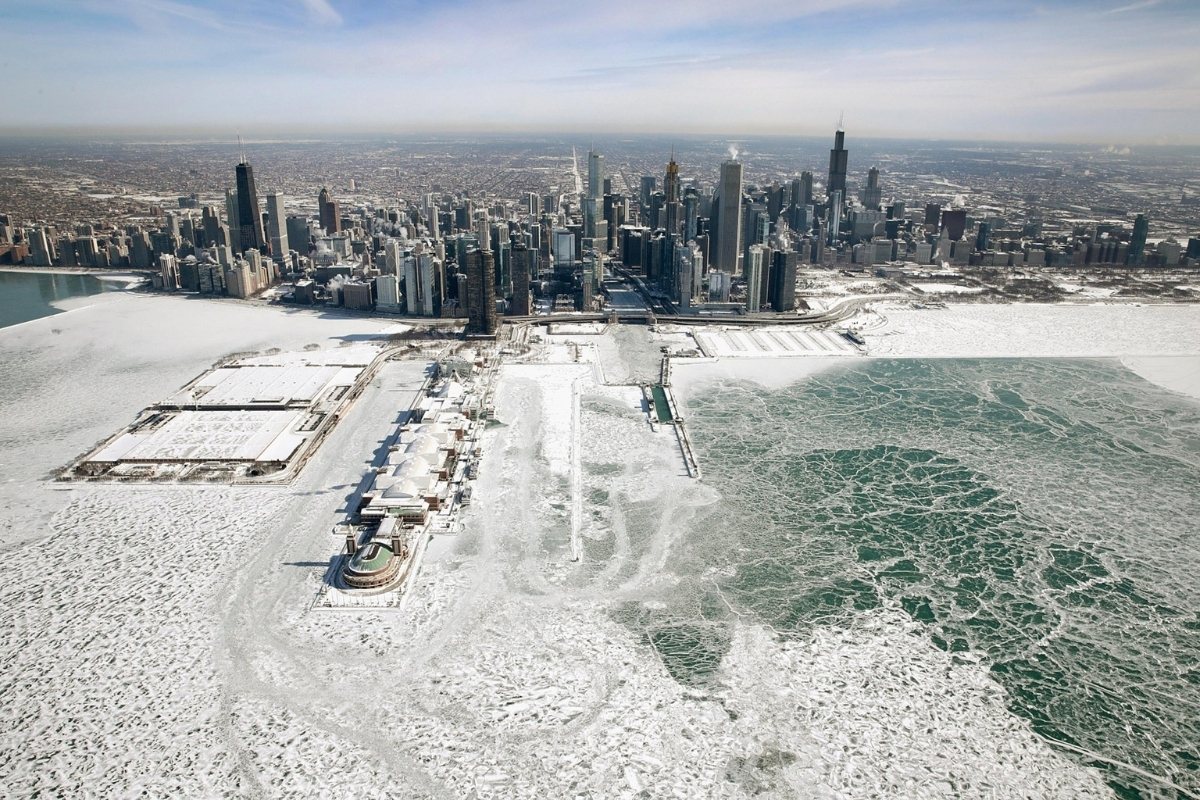
What is the polar vortex? The polar vortex is a large area of low pressure and cold air surrounding the Earth's poles. This swirling mass of frigid air typically stays near the poles but can sometimes shift southward, bringing icy temperatures to lower latitudes. When the polar vortex weakens or splits, it can send blasts of Arctic air into regions that usually experience milder winters. Understanding the polar vortex helps explain why some winters are harsher than others and why certain areas experience sudden cold snaps. This phenomenon plays a crucial role in global weather patterns and climate.
What is the Polar Vortex?
The polar vortex is a large area of low pressure and cold air surrounding the Earth's poles. It exists year-round, but it becomes more pronounced during the winter months. Let's dive into some fascinating facts about this chilly phenomenon.
- The polar vortex is a persistent, large-scale cyclone located near the Earth's poles.
- It is strongest during the winter months when the temperature difference between the polar regions and the equator is greatest.
- The polar vortex can split into two or more smaller vortices, leading to extreme weather events in various parts of the world.
- It is not a new phenomenon; scientists have been studying it since the mid-20th century.
- The term "polar vortex" became popular in the media during the winter of 2013-2014 when North America experienced extreme cold weather.
How Does the Polar Vortex Affect Weather?
The polar vortex can have significant impacts on weather patterns, especially during the winter. Here are some ways it influences our climate:
- When the polar vortex weakens, it can allow cold Arctic air to escape and move southward, causing severe cold spells.
- A strong polar vortex usually keeps the cold air contained within the polar regions, resulting in milder winters for the mid-latitudes.
- The movement of the polar vortex can lead to sudden stratospheric warming events, which can disrupt weather patterns for weeks.
- It can influence the jet stream, causing it to become more wavy and leading to prolonged periods of extreme weather.
- The polar vortex can also impact precipitation patterns, leading to increased snowfall in some regions.
The Science Behind the Polar Vortex
Understanding the science behind the polar vortex helps us predict and prepare for its effects. Here are some scientific insights:
- The polar vortex is driven by the temperature gradient between the polar regions and the equator.
- It is located in the stratosphere, the second layer of the Earth's atmosphere, above the troposphere where most weather occurs.
- The polar vortex is influenced by the Earth's rotation, which causes it to spin counterclockwise in the Northern Hemisphere and clockwise in the Southern Hemisphere.
- Changes in sea ice and snow cover can affect the strength and position of the polar vortex.
- The polar vortex interacts with other atmospheric phenomena, such as the North Atlantic Oscillation and the Arctic Oscillation.
Historical Polar Vortex Events
Throughout history, the polar vortex has been responsible for some notable weather events. Here are a few examples:
- The winter of 1976-1977 saw one of the most severe cold spells in the United States, attributed to a weakened polar vortex.
- In January 1985, a polar vortex event brought record-breaking cold temperatures to the eastern United States.
- The winter of 2013-2014, known as the "Polar Vortex Winter," caused widespread disruptions and extreme cold across North America.
- In February 2021, a polar vortex event led to a severe winter storm in Texas, causing power outages and significant damage.
- Historical records suggest that polar vortex events have been occurring for centuries, impacting human societies and ecosystems.
The Future of the Polar Vortex
Climate change and other factors may influence the behavior of the polar vortex in the future. Here are some considerations:
- Some studies suggest that a warming Arctic may lead to a weaker and more unstable polar vortex.
- Changes in the polar vortex could result in more frequent and intense cold spells in the mid-latitudes.
- Scientists are using advanced climate models to better understand and predict the behavior of the polar vortex.
- Ongoing research aims to determine the long-term impacts of the polar vortex on global weather patterns.
- Understanding the polar vortex is crucial for improving weather forecasts and preparing for extreme weather events.
Final Thoughts on the Polar Vortex
The polar vortex is more than just a buzzword during winter. It’s a powerful weather phenomenon that impacts temperatures, weather patterns, and even our daily lives. Understanding its behavior helps us prepare for extreme cold snaps and unusual weather events. From its role in creating Arctic blasts to influencing global weather systems, the polar vortex is a key player in our planet’s climate.
Staying informed about the polar vortex can help you better understand weather forecasts and prepare for potential impacts. Whether you’re a weather enthusiast or just someone who wants to stay warm, knowing these facts can be incredibly useful. So next time you hear about the polar vortex on the news, you’ll know exactly what’s going on and why it matters. Stay warm, stay informed, and keep an eye on the skies!
Was this page helpful?
Our commitment to delivering trustworthy and engaging content is at the heart of what we do. Each fact on our site is contributed by real users like you, bringing a wealth of diverse insights and information. To ensure the highest standards of accuracy and reliability, our dedicated editors meticulously review each submission. This process guarantees that the facts we share are not only fascinating but also credible. Trust in our commitment to quality and authenticity as you explore and learn with us.