



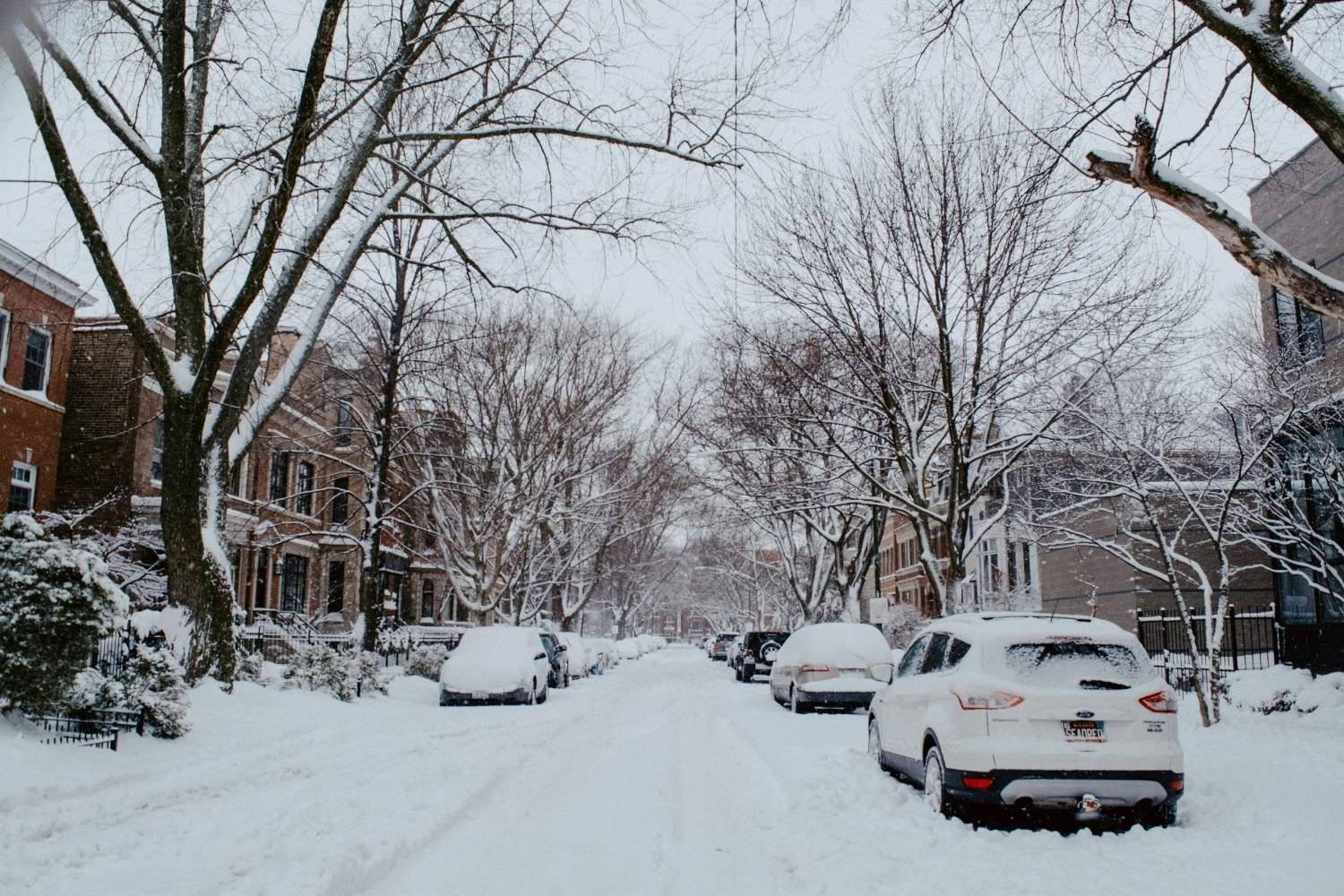
Ever wondered how accurate snow day predictions are? Snow days can be a student's dream and a parent's puzzle. Predicting them involves more than just watching the weather channel. Meteorologists use advanced technology, historical data, and local climate patterns to forecast these elusive days off. Schools also consider road conditions, safety concerns, and even the timing of the snowfall. Did you know that some districts have specific thresholds for snow accumulation before calling a snow day? Understanding these factors can help you better anticipate whether you'll be building snowmen or heading to class. Let's dig into 25 fascinating facts about snow day predictions!
What is Snow Day Prediction?
Snow day prediction is the art and science of forecasting whether schools will close due to heavy snowfall. This practice combines meteorology, historical data, and sometimes a bit of luck. Let's dive into some fascinating facts about snow day prediction.
-
Snow day prediction models use complex algorithms. These models analyze weather patterns, temperature, and historical data to predict school closures.
-
Meteorologists play a crucial role. They provide the weather data that forms the backbone of snow day predictions.
-
Historical data is essential. Past snow days help refine prediction models, making them more accurate over time.
How Technology Helps in Snow Day Prediction
Technology has revolutionized how snow days are predicted. From advanced weather models to apps, tech plays a pivotal role.
-
Weather apps offer real-time updates. Many apps now include snow day prediction features, giving users instant access to forecasts.
-
Machine learning improves accuracy. Algorithms learn from past data, constantly improving their predictions.
-
Social media spreads the word quickly. Schools and meteorologists use platforms like Twitter to announce snow days.
Factors Influencing Snow Day Predictions
Several factors come into play when predicting snow days. Understanding these can help you better grasp the process.
-
Temperature is a key factor. Colder temperatures increase the likelihood of snow sticking to roads, making travel hazardous.
-
Snowfall rate matters. Heavy snowfall in a short period can overwhelm snow removal efforts, leading to school closures.
-
Road conditions are critical. Poorly maintained or icy roads can prompt school officials to call a snow day.
The Role of School Administrators
School administrators have the final say in declaring snow days. Their decisions are based on various inputs.
-
Safety is the top priority. Ensuring students and staff can travel safely is the main concern.
-
Consultation with local authorities. Administrators often consult with local government and transportation officials.
-
Parent and community feedback. Input from parents and the community can influence decisions.
Fun Facts About Snow Days
Snow days aren't just about safety; they also have a cultural and social impact.
-
Snow days are a childhood favorite. Many kids look forward to unexpected days off from school.
-
Snow day rituals exist. Some students wear pajamas inside out or place spoons under their pillows to "encourage" snow days.
-
Economic impact. Snow days can affect local economies, especially businesses that rely on school schedules.
Historical Snow Days
Looking back at historical snow days can provide interesting insights.
-
The Blizzard of 1888. One of the most famous snowstorms in U.S. history, it led to widespread school closures.
-
Snowmageddon 2010. This storm caused significant disruptions, including numerous snow days across the East Coast.
-
The Great Blizzard of 1978. Another historic storm that resulted in extended school closures.
Predicting Snow Days in Different Regions
Snow day predictions vary by region due to differing climates and infrastructure.
-
Northeast U.S. sees frequent snow days. This region is prone to heavy snowfall, leading to more frequent school closures.
-
Southern states rarely have snow days. Warmer climates mean snow is less common, so snow days are rare.
-
Midwest experiences a mix. This region can see both heavy snowfalls and milder winters, leading to variable snow day predictions.
The Future of Snow Day Prediction
Advancements in technology and data analysis promise to make snow day predictions even more accurate.
-
AI and predictive analytics. These technologies will continue to improve the accuracy of snow day forecasts.
-
Better weather models. Ongoing improvements in meteorological models will enhance prediction capabilities.
-
Increased community involvement. More input from parents and local authorities will refine the decision-making process.
-
Climate change impacts. Changing weather patterns may alter the frequency and severity of snow days in the future.
The Final Flurry
Snow day predictions mix science, tradition, and a bit of luck. Meteorologists use advanced tools to forecast weather, but local quirks and historical patterns also play a role. Schools consider safety, road conditions, and even student well-being when deciding to close. While technology has improved accuracy, predicting snow days remains an art. Knowing these facts can help you understand the process better and maybe even guess the next snow day. Whether you're a student hoping for a day off or a parent planning ahead, these insights offer a clearer picture of what goes into calling a snow day. So next time the forecast looks snowy, you'll know there's more to the decision than just a weather report. Stay warm, stay safe, and enjoy those unexpected days off when they come!
Was this page helpful?
Our commitment to delivering trustworthy and engaging content is at the heart of what we do. Each fact on our site is contributed by real users like you, bringing a wealth of diverse insights and information. To ensure the highest standards of accuracy and reliability, our dedicated editors meticulously review each submission. This process guarantees that the facts we share are not only fascinating but also credible. Trust in our commitment to quality and authenticity as you explore and learn with us.