



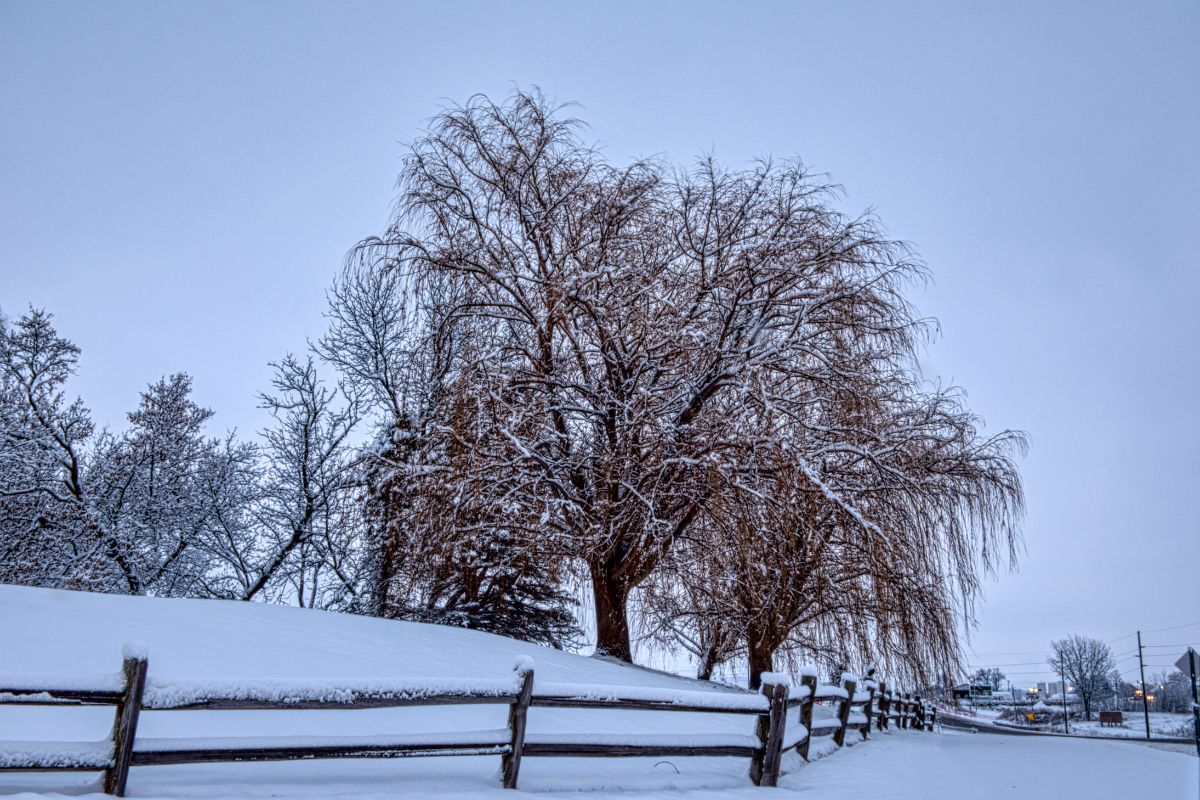
Snow accumulation can transform landscapes into winter wonderlands, but how much do you really know about it? Snow isn't just frozen water falling from the sky; it's a fascinating natural phenomenon with many intriguing aspects. Did you know that snowflakes form in clouds when the temperature is below freezing? Each flake is unique, with its own intricate design. Snow can also act as an insulator, keeping the ground beneath it warmer. In some places, snow can pile up to several feet, creating challenges for transportation and daily life. Whether you love it or dread it, snow accumulation plays a significant role in our environment and daily routines.
What is Snow Accumulation?
Snow accumulation refers to the amount of snow that builds up on the ground during a snowfall event. This can vary greatly depending on several factors, including temperature, wind, and the type of snow. Here are some fascinating facts about snow accumulation.
-
Snowflakes are Unique: Every snowflake has a unique structure. The conditions under which they form, such as temperature and humidity, determine their intricate patterns.
-
Snow Density Varies: Freshly fallen snow can have a density of about 0.1 grams per cubic centimeter, while older, compacted snow can reach densities of 0.5 grams per cubic centimeter or more.
-
Temperature Affects Snowfall: Snow accumulates more efficiently when temperatures are just below freezing. Warmer temperatures can cause snow to melt upon contact with the ground.
How Snow Accumulation is Measured
Measuring snow accumulation accurately is crucial for weather forecasting and understanding climate patterns. Here are some key points about how it's done.
-
Snow Gauges: These devices collect snow in a container, which is then melted to measure the water equivalent of the snowfall.
-
Snow Boards: A flat, white board placed on the ground helps measure snow depth. Observers clear the board after each measurement to ensure accuracy.
-
Laser Sensors: Advanced technology uses laser sensors to measure snow depth from a distance, providing real-time data.
Factors Influencing Snow Accumulation
Several factors can influence how much snow accumulates in a given area. Understanding these can help predict snowfall more accurately.
-
Wind: Strong winds can cause snow to drift, leading to uneven accumulation. Some areas may have deep drifts, while others remain bare.
-
Topography: Mountains and valleys can affect snowfall. Higher elevations typically receive more snow due to colder temperatures.
-
Ground Temperature: If the ground is warm, snow may melt upon contact, reducing accumulation. Conversely, cold ground can enhance snow buildup.
Interesting Snow Accumulation Facts
Snow accumulation isn't just about numbers and measurements. There are some truly interesting aspects to consider.
-
Record Snowfalls: The world record for the most snowfall in a single season is held by Mount Baker in Washington State, which received 1,140 inches during the 1998-1999 season.
-
Snowfall in Unexpected Places: Snow has been recorded in some of the most unexpected places, including the Sahara Desert, where it snowed in 1979 and again in 2018.
-
Snow's Insulating Properties: Snow acts as an insulator, keeping the ground beneath it warmer than the air above. This can protect plant roots and underground animals from extreme cold.
The Impact of Climate Change on Snow Accumulation
Climate change is affecting snowfall patterns worldwide. Here are some ways it's making an impact.
-
Reduced Snowfall: Warmer global temperatures are leading to less snowfall in some regions, particularly at lower elevations.
-
Earlier Melts: Snow is melting earlier in the spring, which can affect water supplies for agriculture and drinking.
-
Increased Snowfall in Some Areas: Paradoxically, some regions are experiencing more snowfall due to increased moisture in the atmosphere from warmer temperatures.
Snow Accumulation and Human Activities
Human activities can also influence snow accumulation in various ways. Here are some examples.
-
Urban Heat Islands: Cities tend to be warmer than rural areas, which can reduce snow accumulation. This phenomenon is known as the urban heat island effect.
-
Snow Removal: In urban areas, snow is often removed from streets and sidewalks, which can affect local snow accumulation patterns.
-
Ski Resorts: Artificial snowmaking at ski resorts can significantly increase snow accumulation in specific areas, extending the ski season.
Fun Facts About Snow Accumulation
Snow accumulation can lead to some fun and quirky phenomena. Here are a few to ponder.
-
Snow Rollers: These rare formations occur when wind pushes snow along the ground, creating cylindrical shapes that resemble hay bales.
-
Thundersnow: This rare weather event combines snowfall with thunder and lightning, creating a dramatic and unusual snowstorm.
-
Snowmageddon: This term has been used to describe particularly severe snowstorms that cause widespread disruption, such as the East Coast blizzard of 2010.
Snow Accumulation Records
Some records related to snow accumulation are truly astounding. Here are a few notable ones.
-
Deepest Snowpack: Tamarack, California, holds the record for the deepest snowpack ever recorded in the United States, with a depth of 451 inches in March 1911.
-
Longest Snow Season: The town of Aomori in Japan is known for having one of the longest snow seasons, often lasting from November to May.
-
Most Snow in 24 Hours: Silver Lake, Colorado, holds the record for the most snow in a 24-hour period, with 75.8 inches falling on April 14-15, 1921.
The Science Behind Snow Accumulation
Understanding the science behind snow accumulation can be fascinating. Here are some scientific insights.
- Snow Crystal Formation: Snow crystals form in clouds when water vapor condenses directly into ice. The shape of the crystals depends on temperature and humidity levels in the cloud.
Snow's Fascinating World
Snow accumulation isn't just about cold weather and winter fun. It plays a crucial role in our environment, impacting water supplies, ecosystems, and even global climate patterns. From the formation of snowflakes to the record-breaking snowfalls in various parts of the world, snow is a complex and fascinating phenomenon. Understanding these facts can help us appreciate the beauty and importance of snow in our lives.
Whether you're a winter sports enthusiast, a nature lover, or just curious about the world around you, knowing more about snow can deepen your connection to the natural world. So next time you see snow falling, remember the intricate processes and the significant impact it has on our planet. Stay curious, stay informed, and enjoy the wonders of winter!
Was this page helpful?
Our commitment to delivering trustworthy and engaging content is at the heart of what we do. Each fact on our site is contributed by real users like you, bringing a wealth of diverse insights and information. To ensure the highest standards of accuracy and reliability, our dedicated editors meticulously review each submission. This process guarantees that the facts we share are not only fascinating but also credible. Trust in our commitment to quality and authenticity as you explore and learn with us.