



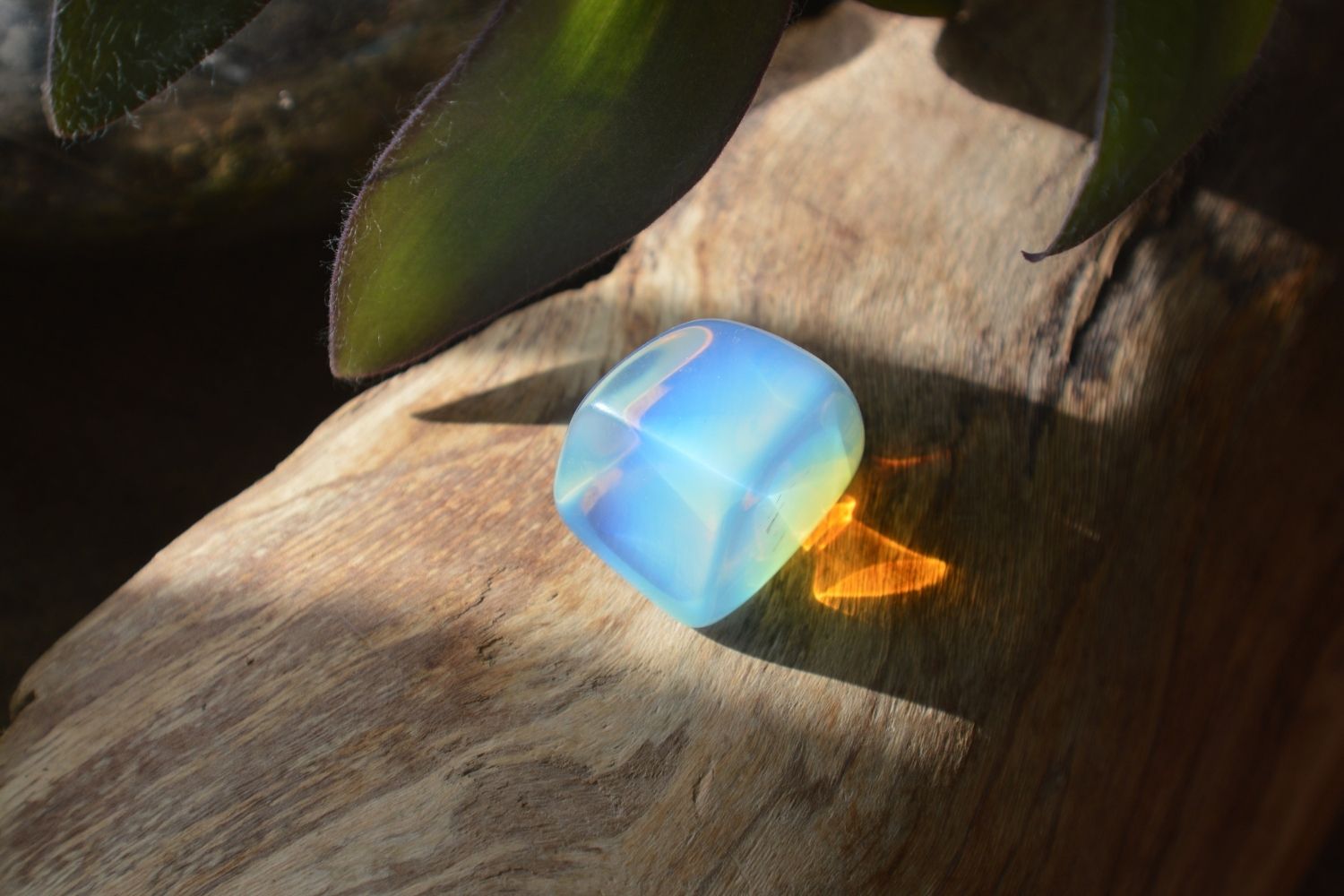
Opalite is a captivating stone that often leaves people wondering about its origins and properties. Is it natural or man-made? Opalite is actually a man-made glass, sometimes referred to as sea opal glass or opalized glass. Despite its synthetic nature, it holds a special place in the hearts of crystal enthusiasts. Known for its milky, iridescent appearance, it can mimic the look of natural opals. This stone is often used in jewelry and decorative items due to its enchanting glow. Opalite is believed to have various metaphysical properties, such as enhancing communication, reducing fatigue, and promoting emotional balance. Whether you're a seasoned crystal collector or just curious, learning about Opalite can be both fascinating and enlightening.
What is Opalite?
Opalite, often mistaken for a natural gemstone, is actually a man-made glass. It has a unique, milky appearance that can shift colors depending on the light.
- Opalite is not a naturally occurring stone. It is a type of glass created to mimic the look of opal.
- Despite being man-made, opalite is often used in jewelry and decorative items due to its attractive appearance.
- When held up to the light, opalite can display a range of colors, including blue, green, and pink.
- Opalite is sometimes called "opalized glass" or "sea opal glass" because of its opalescent qualities.
History and Origin of Opalite
Understanding the history and origin of opalite can give insight into its popularity and uses.
- The creation of opalite dates back to the early 20th century when glassmakers began experimenting with different techniques to replicate natural opal.
- Opalite became popular in the 1960s and 1970s as part of the New Age movement, which embraced crystals and gemstones for their supposed metaphysical properties.
- Most opalite is produced in China, where skilled artisans craft it into various shapes and sizes for jewelry and ornaments.
Physical Properties of Opalite
Opalite's physical properties make it a versatile material for various applications.
- Opalite has a hardness of 5.5 to 6 on the Mohs scale, making it relatively durable but still susceptible to scratches.
- It has a specific gravity of 2.1 to 2.2, which means it is lighter than many natural gemstones.
- Opalite is often cut into cabochons, beads, and other shapes for use in jewelry.
Metaphysical Properties of Opalite
Many people believe opalite has metaphysical properties that can benefit the mind and body.
- Opalite is thought to enhance communication and self-expression, making it a popular choice for those who struggle with social interactions.
- Some believe opalite can help stabilize mood swings and promote a sense of calm and tranquility.
- It is also said to aid in overcoming fatigue and boosting energy levels.
Uses of Opalite in Jewelry
Opalite's beauty and versatility make it a popular choice for various types of jewelry.
- Opalite is commonly used in necklaces, bracelets, and earrings due to its eye-catching appearance.
- It is often paired with silver or gold settings to enhance its natural beauty.
- Many people choose opalite jewelry for its supposed healing properties as well as its aesthetic appeal.
Care and Maintenance of Opalite
Proper care and maintenance can help keep opalite looking its best.
- Opalite should be cleaned with a soft cloth and mild soap to avoid scratching its surface.
- It should be stored separately from other jewelry to prevent damage.
- Avoid exposing opalite to harsh chemicals or extreme temperatures, as these can cause it to crack or discolor.
Fun Facts about Opalite
Here are some interesting tidbits about opalite that you might not know.
- Opalite is sometimes used in feng shui practices to promote harmony and balance in the home.
- It is often used in meditation practices to enhance spiritual growth and insight.
- Some people believe opalite can help improve sleep quality and reduce nightmares.
- Opalite is sometimes called "Tiffany Stone" because of its resemblance to the famous jewelry brand's signature color.
- Despite being man-made, opalite is often mistaken for natural opal due to its similar appearance.
- Opalite is a popular choice for crystal grids, which are arrangements of stones used for healing and energy work.
The Magic of Opalite
Opalite isn't just a pretty stone. It's packed with fascinating history, unique properties, and a touch of magic. From its origins in ancient civilizations to its modern-day uses in jewelry and healing, this gem has captured hearts worldwide. Its ability to mimic natural opal while being more affordable makes it a favorite for many. Whether you're drawn to its beauty or its supposed metaphysical properties, opalite offers something special for everyone. Next time you see this shimmering stone, you'll know there's more to it than meets the eye. So, whether you're a collector, a jewelry lover, or someone seeking a bit of extra positivity, opalite might just be the gem for you. Dive into its world and let its charm enchant you.
Was this page helpful?
Our commitment to delivering trustworthy and engaging content is at the heart of what we do. Each fact on our site is contributed by real users like you, bringing a wealth of diverse insights and information. To ensure the highest standards of accuracy and reliability, our dedicated editors meticulously review each submission. This process guarantees that the facts we share are not only fascinating but also credible. Trust in our commitment to quality and authenticity as you explore and learn with us.