



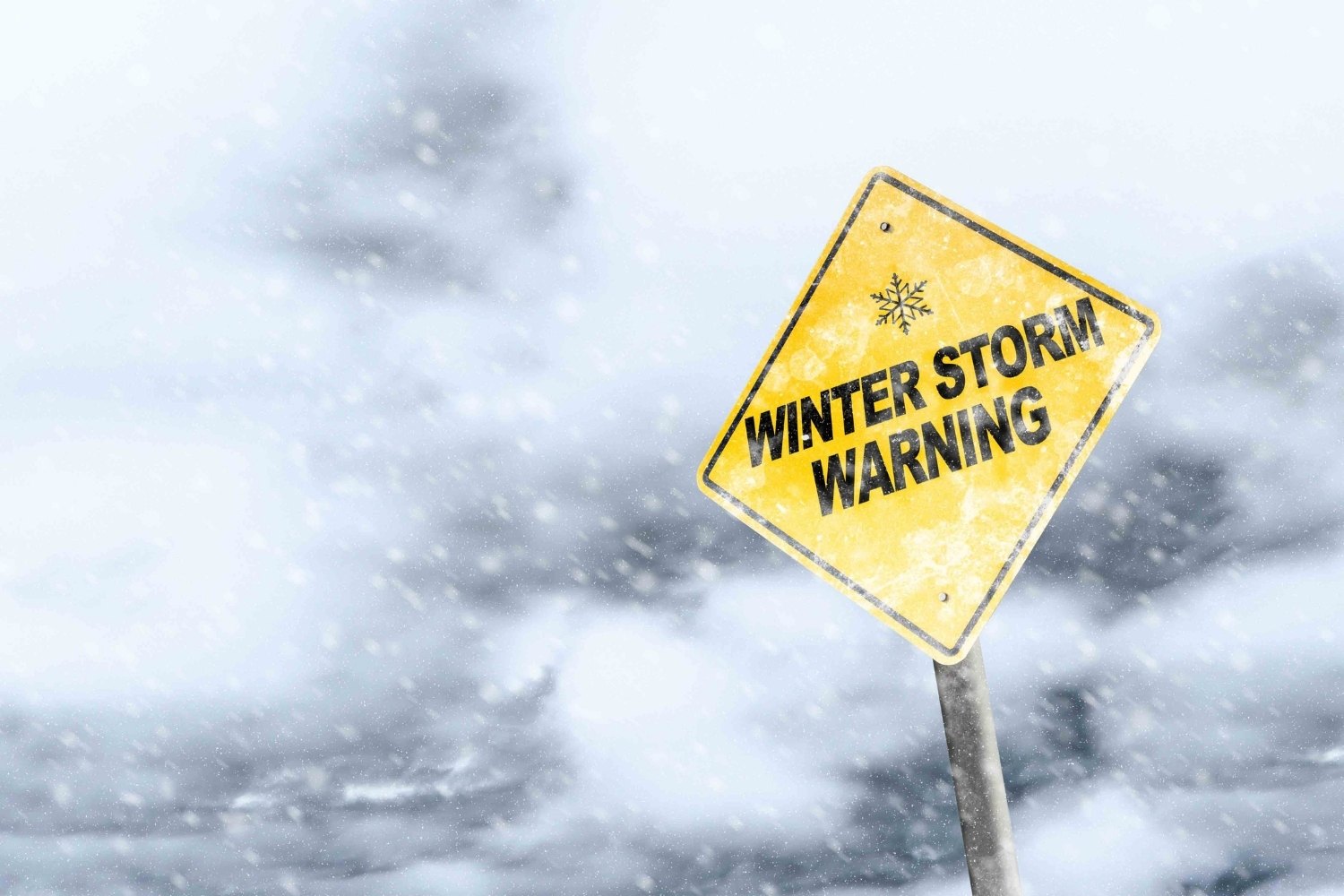
What exactly is an Ice Storm Warning? An Ice Storm Warning is a weather alert issued by meteorological agencies when freezing rain is expected to accumulate significantly, creating hazardous conditions. These warnings are crucial because ice storms can lead to power outages, dangerous travel conditions, and damage to trees and infrastructure. Ice storms occur when rain falls through a layer of freezing air near the ground, causing the rain to freeze on contact with surfaces. This can result in a thick layer of ice that makes roads slippery, weighs down power lines, and causes tree branches to snap. Understanding these warnings can help you stay safe and prepared during winter weather events.
What is an Ice Storm Warning?
An Ice Storm Warning is a weather alert issued by meteorological agencies when freezing rain is expected to accumulate significantly. This type of storm can cause severe damage to infrastructure and pose serious risks to safety. Here are some intriguing facts about these chilling phenomena.
-
Issued by the National Weather Service (NWS)
The NWS issues Ice Storm Warnings in the United States when ice accumulation is expected to be at least 0.25 inches. -
Freezing Rain is the Culprit
Freezing rain occurs when rain falls through a layer of freezing air near the ground, causing it to freeze on contact with surfaces. -
Not Just Cold Weather
Ice storms can happen even when temperatures are just below freezing, making them more common than one might think. -
Power Outages
Ice accumulation on power lines can cause them to snap, leading to widespread power outages. -
Tree Damage
The weight of the ice can break tree branches and even topple entire trees.
Historical Ice Storms
Some ice storms have left a lasting impact on history due to their severity and the damage they caused. Here are some notable examples.
-
The Great Ice Storm of 1998
This storm affected parts of Canada and the northeastern United States, causing billions of dollars in damage. -
The Southern Ice Storm of 2000
This storm hit the southern United States, leaving millions without power for days. -
The Ice Storm of 2013
Affecting parts of the Midwest and Northeast, this storm caused significant disruptions during the holiday season. -
The Ice Storm of 1921
One of the earliest recorded ice storms, it caused extensive damage in the Midwest. -
The Ice Storm of 1951
This storm paralyzed parts of the southeastern United States, leading to numerous fatalities.
Safety Measures During an Ice Storm
Knowing how to stay safe during an ice storm is crucial. Here are some essential safety tips.
-
Stay Indoors
The safest place during an ice storm is indoors. Avoid going outside unless absolutely necessary. -
Stock Up on Essentials
Keep a supply of food, water, and medications to last several days. -
Use Generators Safely
If using a generator, ensure it is placed outside to avoid carbon monoxide poisoning. -
Avoid Downed Power Lines
Stay away from downed power lines as they can still be live and extremely dangerous. -
Keep Warm
Use blankets, wear layers, and close off unused rooms to conserve heat.
Environmental Impact of Ice Storms
Ice storms can have a significant impact on the environment. Here are some ways they affect nature.
-
Habitat Destruction
Ice storms can destroy habitats by breaking trees and damaging vegetation. -
Water Supply Contamination
Melting ice can carry pollutants into water supplies, affecting both wildlife and human populations. -
Soil Erosion
The weight of the ice can compact soil, leading to erosion once it melts. -
Wildlife Displacement
Animals may be forced to leave their habitats in search of food and shelter. -
Long-Term Forest Damage
Forests can take years to recover from the damage caused by ice storms.
Economic Impact of Ice Storms
The economic toll of ice storms can be staggering. Here are some ways they affect economies.
-
Infrastructure Damage
Repairing damaged infrastructure can cost millions, if not billions, of dollars. -
Business Closures
Businesses may have to close temporarily, leading to lost revenue. -
Insurance Claims
The number of insurance claims skyrockets after an ice storm, affecting insurance companies and policyholders. -
Agricultural Losses
Crops and livestock can be severely affected, leading to significant agricultural losses. -
Increased Heating Costs
The demand for heating increases, leading to higher energy costs for consumers.
The Final Chill
Ice storm warnings are no joke. They bring a mix of beauty and danger, turning landscapes into sparkling wonderlands while posing serious risks. Knowing the facts about these icy events can help you stay safe and prepared. From understanding the difference between freezing rain and sleet to recognizing the signs of an impending storm, every bit of knowledge counts. Always keep an eye on weather updates, stock up on essentials, and have a plan in place. Remember, safety first. Whether you're dealing with power outages, slippery roads, or falling branches, being prepared can make all the difference. Stay warm, stay informed, and respect the power of nature. Ice storms may be a part of winter's charm, but they demand our attention and caution. Stay safe out there!
Was this page helpful?
Our commitment to delivering trustworthy and engaging content is at the heart of what we do. Each fact on our site is contributed by real users like you, bringing a wealth of diverse insights and information. To ensure the highest standards of accuracy and reliability, our dedicated editors meticulously review each submission. This process guarantees that the facts we share are not only fascinating but also credible. Trust in our commitment to quality and authenticity as you explore and learn with us.