



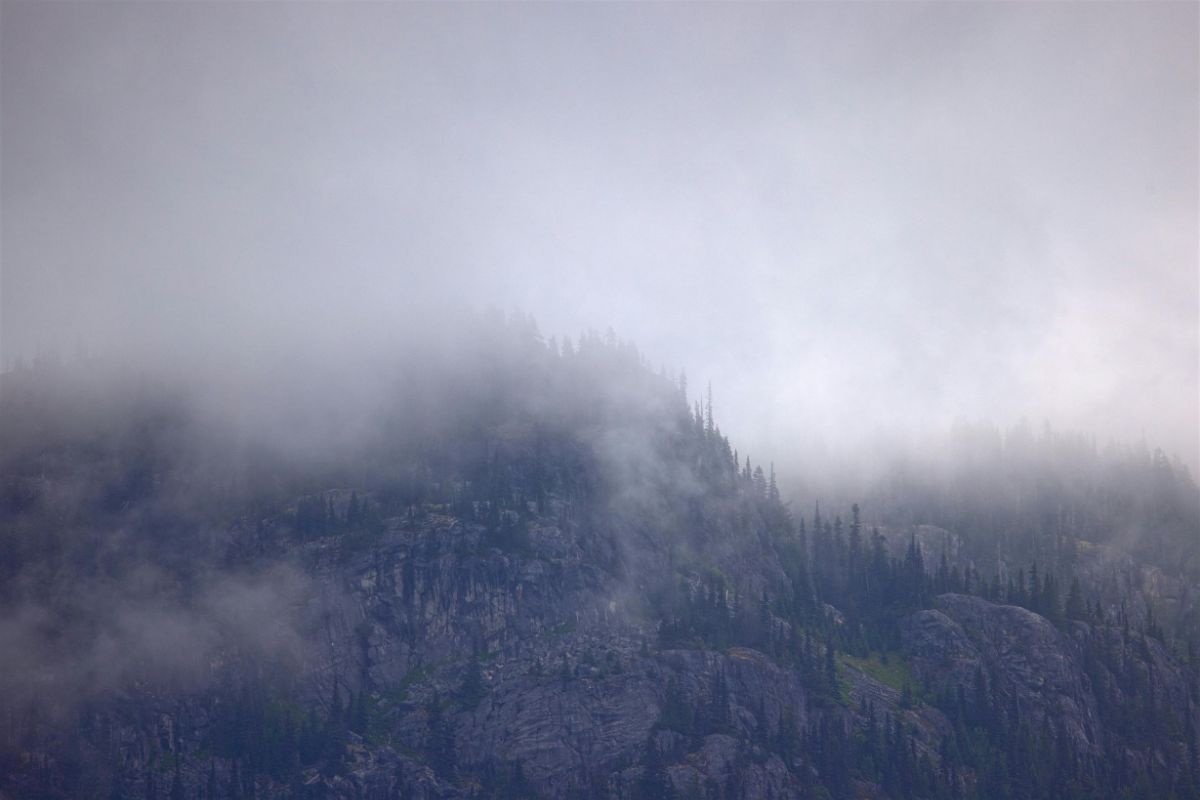
What is freezing fog? Freezing fog is a unique weather phenomenon where fog droplets freeze upon contact with surfaces, creating a layer of ice. How does it form? This occurs when supercooled water droplets in the fog come into contact with surfaces at or below freezing temperatures. Why is it important? Freezing fog can create hazardous driving conditions, as it forms black ice on roads and sidewalks. Where does it occur? It’s most common in valleys and mountainous regions during winter. What makes it different from regular fog? Unlike regular fog, freezing fog can lead to significant ice accumulation, posing risks to transportation and infrastructure. How can you stay safe? Always check weather forecasts and be cautious on icy roads.
What is Freezing Fog?
Freezing fog is a fascinating weather phenomenon that combines the elements of fog and freezing temperatures. It occurs when tiny water droplets in the air freeze upon contact with surfaces, creating a beautiful yet potentially hazardous icy layer.
-
Freezing fog forms when the air temperature is at or below freezing. This means the air temperature must be 32°F (0°C) or lower for freezing fog to develop.
-
It consists of supercooled water droplets. These droplets remain in liquid form even though the temperature is below freezing, making them ready to freeze on contact with surfaces.
-
Freezing fog can create rime ice. Rime ice forms when supercooled droplets freeze upon contact with objects, creating a white, frosty coating.
How Does Freezing Fog Affect Visibility?
Visibility can be significantly reduced during freezing fog events, making travel dangerous. Here are some key facts about its impact on visibility.
-
Visibility can drop to less than a quarter-mile. This makes driving and navigating difficult, increasing the risk of accidents.
-
Freezing fog can cause light to scatter. The tiny ice crystals in the fog scatter light, creating a whiteout effect similar to heavy snowfall.
-
It can create optical illusions. The scattering of light can make objects appear closer or farther away than they actually are.
The Impact on Transportation
Freezing fog poses unique challenges for various modes of transportation. From roads to runways, it can create hazardous conditions.
-
Roads can become extremely slippery. The ice formed from freezing fog can make roads treacherous for drivers.
-
Air travel can be disrupted. Ice accumulation on aircraft and runways can lead to delays and cancellations.
-
Railways are not immune. Ice can form on tracks and overhead lines, causing delays and potential safety hazards.
Effects on Nature and Wildlife
Freezing fog doesn't just affect humans; it also has an impact on the natural world. Here are some ways it influences nature and wildlife.
-
Plants can get coated in ice. This can cause branches to break under the weight of the ice.
-
Animals may struggle to find food. Ice-covered vegetation can make it difficult for animals to access their usual food sources.
-
Birds can have difficulty flying. Ice accumulation on their wings can make flight challenging or impossible.
Safety Precautions During Freezing Fog
Knowing how to stay safe during freezing fog events is crucial. Here are some important safety tips.
-
Drive slowly and carefully. Reduced visibility and slippery roads mean you should take extra precautions while driving.
-
Use fog lights if you have them. Fog lights can help improve visibility in freezing fog conditions.
-
Avoid sudden movements. Sudden braking or turning can cause your vehicle to skid on icy roads.
Interesting Facts About Freezing Fog
Freezing fog has some unique characteristics that make it a fascinating subject for weather enthusiasts.
-
It can create beautiful ice formations. The ice crystals formed during freezing fog can create stunning natural sculptures.
-
Freezing fog is more common in valleys. Cold air tends to settle in low-lying areas, making valleys more prone to freezing fog.
-
It can occur in urban areas. Cities with high humidity and low temperatures can experience freezing fog, leading to icy conditions on roads and sidewalks.
Historical Freezing Fog Events
Throughout history, freezing fog has been responsible for some notable weather events. Here are a few examples.
-
The Great Freezing Fog of 1952 in London. This event caused widespread disruption and is remembered as one of the most severe freezing fog events in history.
-
The 2009 Freezing Fog in the Midwest USA. This event caused numerous accidents and travel disruptions across several states.
-
The 2016 Freezing Fog in Beijing. This event led to significant air travel delays and hazardous road conditions.
How to Predict Freezing Fog
Meteorologists use various tools and techniques to predict freezing fog. Understanding these methods can help you stay prepared.
-
Weather models can forecast freezing fog. Advanced computer models can predict the conditions that lead to freezing fog.
-
Satellite imagery helps identify fog. Satellites can detect fog formation, providing valuable data for forecasts.
-
Ground-based observations are crucial. Weather stations and sensors on the ground provide real-time data on temperature and humidity levels.
The Science Behind Freezing Fog
Understanding the science behind freezing fog can help demystify this intriguing weather phenomenon.
- It involves a delicate balance of temperature and humidity. For freezing fog to form, the air must be saturated with moisture and the temperature must be at or below freezing.
The Chilling Truth
Freezing fog is more than just a winter wonder. It’s a fascinating weather phenomenon that transforms landscapes into icy wonderlands. Knowing how it forms, its effects on travel, and the stunning visuals it creates can make you appreciate those cold, foggy mornings a bit more.
Remember, safety first. If you’re driving in freezing fog, slow down and use your fog lights. The beauty of rime ice on trees and power lines is breathtaking, but it can also be dangerous.
Whether you’re a weather enthusiast or just curious, understanding freezing fog adds a layer of appreciation for nature’s quirks. Next time you see that dense, icy mist, you’ll know it’s not just fog—it’s a complex dance of temperature and moisture. Stay warm, stay safe, and enjoy the frosty spectacle!
Was this page helpful?
Our commitment to delivering trustworthy and engaging content is at the heart of what we do. Each fact on our site is contributed by real users like you, bringing a wealth of diverse insights and information. To ensure the highest standards of accuracy and reliability, our dedicated editors meticulously review each submission. This process guarantees that the facts we share are not only fascinating but also credible. Trust in our commitment to quality and authenticity as you explore and learn with us.