



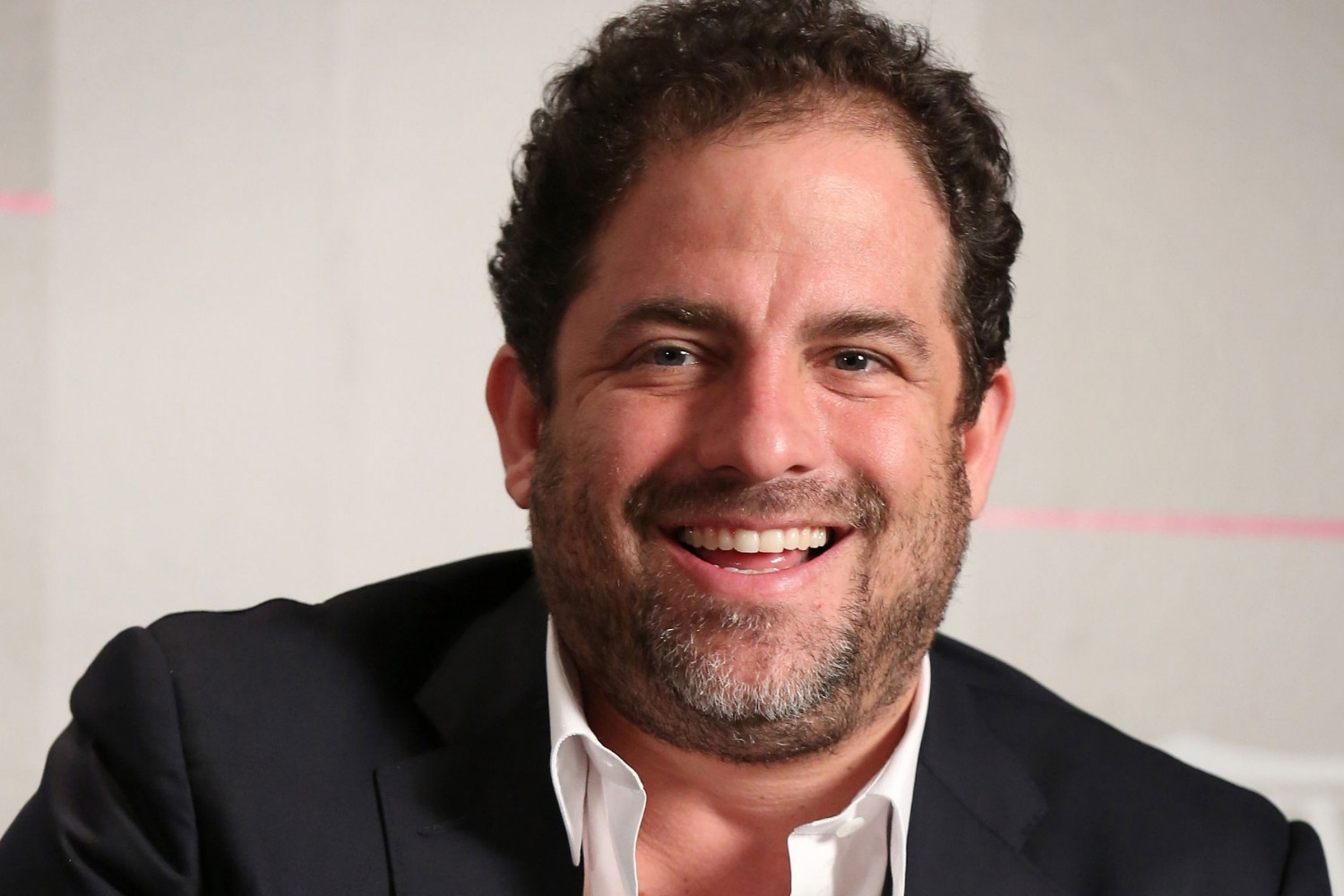
Brett Ratner is a name that often pops up in Hollywood conversations. Known for his work as a director and producer, Ratner has left a significant mark on the film industry. Did you know that he directed the popular "Rush Hour" series? His career spans various genres, from action-packed blockbusters to heartfelt dramas. But there's more to Ratner than just his films. He has a fascinating background, including a stint at NYU's Tisch School of the Arts. Ever wondered about his early influences or lesser-known projects? This blog post dives into 25 intriguing facts about Brett Ratner, shedding light on his journey, achievements, and some surprising tidbits. Whether you're a movie buff or just curious, these facts will give you a deeper understanding of this influential filmmaker.
Brett Ratner: The Man Behind the Camera
Brett Ratner is a name that resonates in Hollywood. Known for his work as a director and producer, Ratner has left an indelible mark on the film industry. Let's dive into some fascinating facts about this influential figure.
-
Brett Ratner was born on March 28, 1969, in Miami Beach, Florida. His early years were spent in a culturally diverse environment, which influenced his storytelling.
-
Ratner's passion for filmmaking began at a young age. He was inspired by classic films and directors, which led him to pursue a career in the industry.
-
He attended New York University’s Tisch School of the Arts. This prestigious institution has produced many notable filmmakers, and Ratner is among its distinguished alumni.
Early Career and Breakthrough
Before becoming a household name, Ratner had to work his way up in the industry. His early career is filled with interesting milestones.
-
Ratner directed music videos before breaking into feature films. He worked with artists like Madonna and Mariah Carey, honing his skills behind the camera.
-
His big break came with the 1997 film "Money Talks." This action-comedy starred Chris Tucker and Charlie Sheen, and it showcased Ratner's knack for blending humor with action.
-
Ratner's next major success was "Rush Hour" in 1998. The film starred Jackie Chan and Chris Tucker, becoming a massive hit and spawning two sequels.
Notable Films and Projects
Ratner's filmography is diverse, ranging from action-packed blockbusters to heartfelt dramas. Here are some of his most notable works.
-
"The Family Man" (2000) starred Nicolas Cage and Téa Leoni. This film explored themes of family and personal fulfillment, showing Ratner's versatility as a director.
-
Ratner directed "Red Dragon" (2002), a prequel to "The Silence of the Lambs." The film featured a star-studded cast, including Edward Norton and Anthony Hopkins.
-
In 2006, Ratner directed "X-Men: The Last Stand." This superhero film was a commercial success, further cementing his status in Hollywood.
Producing and Beyond
Ratner's talents extend beyond directing. He has also made significant contributions as a producer.
-
He co-founded RatPac Entertainment in 2012 with Australian billionaire James Packer. The company has produced numerous successful films and TV shows.
-
RatPac Entertainment co-financed "Gravity" (2013), a critically acclaimed film that won seven Academy Awards.
-
Ratner served as an executive producer for the TV series "Prison Break." The show gained a massive following and ran for five seasons.
Personal Life and Interests
Beyond his professional achievements, Ratner's personal life and interests offer a glimpse into the man behind the camera.
-
Ratner is an avid art collector. His collection includes works by renowned artists like Andy Warhol and Jean-Michel Basquiat.
-
He has a passion for philanthropy. Ratner has donated to various causes, including education and the arts.
-
Ratner is fluent in Spanish. This skill has helped him connect with a broader range of actors and filmmakers.
Controversies and Challenges
Like many public figures, Ratner's career has not been without its controversies and challenges.
-
In 2017, multiple women accused Ratner of sexual harassment. These allegations led to significant professional repercussions, including the end of his partnership with Warner Bros.
-
Ratner has faced criticism for his directorial style. Some critics argue that his films prioritize entertainment over substance.
-
Despite these challenges, Ratner continues to work in the industry. He remains a polarizing figure, with both supporters and detractors.
Awards and Recognition
Ratner's work has earned him various awards and recognition throughout his career.
-
He received the Hollywood Film Award for Best Director in 2006 for "X-Men: The Last Stand."
-
Ratner was honored with the Producers Guild of America's Visionary Award in 2017. This award recognizes producers who have made significant contributions to the industry.
-
He has been nominated for several MTV Movie Awards. These nominations highlight his popularity among younger audiences.
Fun Facts
Let's wrap up with some fun and lesser-known facts about Brett Ratner.
-
Ratner made a cameo appearance in "Rush Hour 2." He played a man in a casino, adding a personal touch to the film.
-
He is a huge fan of the Miami Dolphins. Ratner often attends their games and supports the team.
-
Ratner once directed a commercial for Coca-Cola. This project allowed him to experiment with a different form of storytelling.
-
He has a star on the Hollywood Walk of Fame. This honor recognizes his contributions to the entertainment industry.
Brett Ratner: A Complex Figure
Brett Ratner's career is a mix of highs and lows. Known for directing hits like "Rush Hour" and "X-Men: The Last Stand," he's made a significant mark in Hollywood. However, his journey hasn't been without controversy. Allegations of misconduct have cast a shadow over his achievements, leading to a more complicated legacy.
Ratner's influence extends beyond directing. As a producer, he's been involved in various successful projects, showcasing his versatility in the entertainment industry. His work with RatPac Entertainment has also contributed to numerous box office successes.
Despite the controversies, Ratner's impact on film and television remains undeniable. His story serves as a reminder that public figures often have multifaceted lives, filled with both accomplishments and challenges. Understanding this complexity helps us appreciate the broader picture of his contributions to the industry.
Was this page helpful?
Our commitment to delivering trustworthy and engaging content is at the heart of what we do. Each fact on our site is contributed by real users like you, bringing a wealth of diverse insights and information. To ensure the highest standards of accuracy and reliability, our dedicated editors meticulously review each submission. This process guarantees that the facts we share are not only fascinating but also credible. Trust in our commitment to quality and authenticity as you explore and learn with us.