



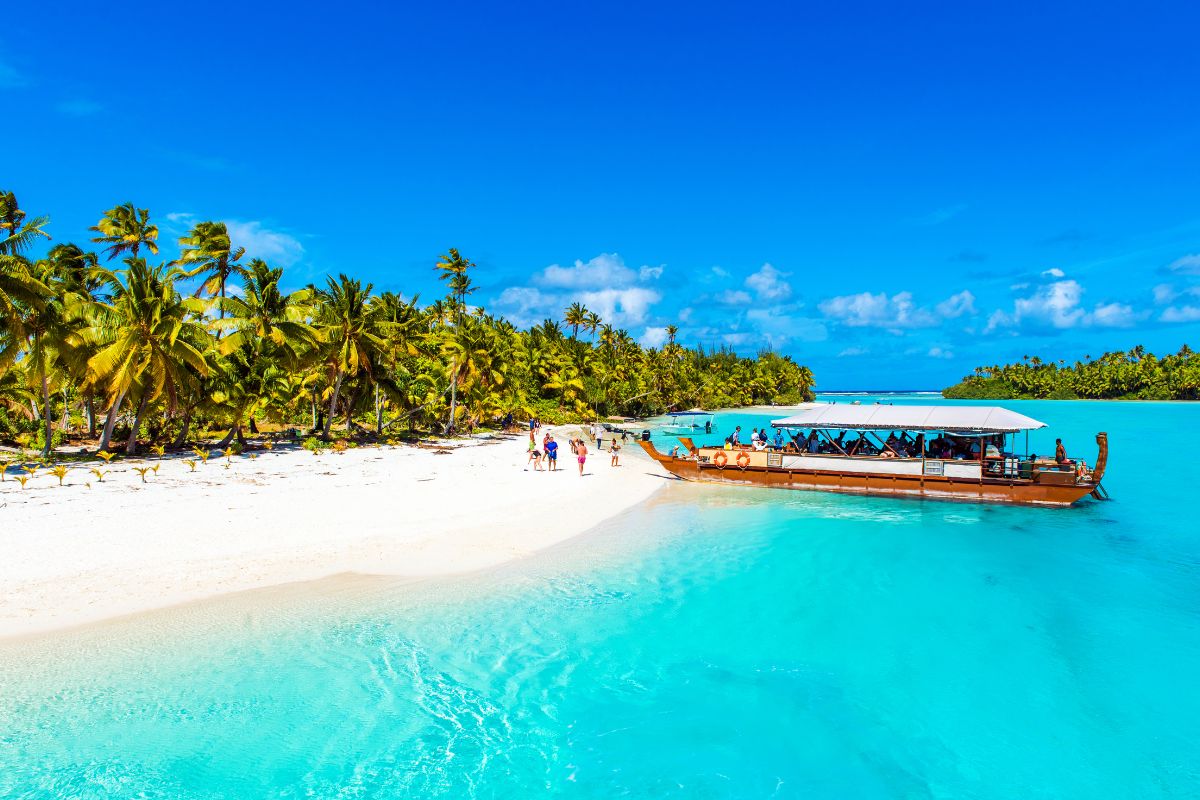
Where are the Cook Islands? The Cook Islands, a stunning group of 15 islands, lie in the South Pacific Ocean. They are situated halfway between Hawaii and New Zealand. Known for their breathtaking beaches, crystal-clear waters, and vibrant culture, these islands offer a unique blend of Polynesian charm and natural beauty. The Cook Islands are a self-governing territory in free association with New Zealand. This means they have their own government but rely on New Zealand for defense and foreign affairs. With a population of around 17,000, the islands are a paradise for those seeking adventure or relaxation. From lush rainforests to coral reefs teeming with marine life, the Cook Islands are a hidden gem waiting to be explored.
Location and Geography
The Cook Islands are a fascinating group of islands in the South Pacific Ocean. Let's dive into some interesting facts about their location and geography.
- The Cook Islands consist of 15 islands spread over a vast area of 2 million square kilometers of ocean.
- Rarotonga is the largest island and serves as the political and economic hub.
- Aitutaki, another island, is famous for its stunning lagoon, often considered one of the most beautiful in the world.
- The islands are divided into two groups: the Southern Cook Islands and the Northern Cook Islands.
- The highest point in the Cook Islands is Te Manga on Rarotonga, standing at 652 meters.
History and Culture
The Cook Islands have a rich history and vibrant culture that reflect their Polynesian heritage.
- The islands were named after Captain James Cook, who visited them in the 1770s.
- Polynesians from Tahiti first settled the islands around 1000 AD.
- Traditional dance and music are integral parts of Cook Islands culture, with performances often featuring elaborate costumes.
- The Cook Islands became a British protectorate in 1888 and were later annexed by New Zealand in 1901.
- In 1965, the Cook Islands gained self-governing status in free association with New Zealand.
Language and People
The people of the Cook Islands are known for their warm hospitality and unique linguistic heritage.
- The official languages are Cook Islands Māori and English.
- Cook Islands Māori, also known as Rarotongan, is closely related to Tahitian and New Zealand Māori.
- The population of the Cook Islands is approximately 17,000 people.
- Many Cook Islanders live abroad, particularly in New Zealand and Australia.
- Family and community are central to Cook Islands society, with extended families often living close together.
Economy and Tourism
Tourism plays a significant role in the economy of the Cook Islands, but there are other interesting economic aspects as well.
- Tourism accounts for about 60% of the Cook Islands' GDP.
- Agriculture, particularly the cultivation of coconuts, bananas, and taro, is another important economic activity.
- Black pearl farming is a unique and valuable industry in the Cook Islands.
- The local currency is the New Zealand dollar, but the Cook Islands also issue their own coins and banknotes.
- The islands are a popular destination for honeymooners and adventure travelers alike.
Natural Beauty and Wildlife
The natural beauty and diverse wildlife of the Cook Islands make them a paradise for nature lovers.
- The islands are surrounded by coral reefs, creating perfect conditions for snorkeling and diving.
- The Cook Islands are home to several endemic bird species, including the Rarotonga monarch and the Atiu swiftlet.
- Whale watching is a popular activity, especially during the migration season from July to October.
- The islands boast lush rainforests, with a variety of native plants and flowers.
- Aitutaki Lagoon is renowned for its crystal-clear waters and abundant marine life.
Unique Traditions and Festivals
The Cook Islands have a range of unique traditions and festivals that showcase their cultural heritage.
- Te Maeva Nui is the most significant annual festival, celebrating the Cook Islands' independence with dance, music, and parades.
- The Tiare Festival, held in November, celebrates the islands' beautiful flowers with competitions and displays.
- Traditional tattooing is an important cultural practice, with designs often reflecting personal and family history.
- The Cook Islands Christian Church plays a central role in community life, with Sunday services being a major weekly event.
- Ura, the traditional dance of the Cook Islands, is performed at many celebrations and gatherings, showcasing the islands' vibrant culture.
Final Thoughts on the Cook Islands
The Cook Islands offer a unique blend of culture, history, and natural beauty. From the pristine beaches of Aitutaki to the rich traditions of Rarotonga, there's something for everyone. The islands' history is fascinating, with Polynesian roots and European influences shaping their identity. Marine life thrives in the surrounding waters, making it a paradise for divers and snorkelers. The local cuisine, featuring fresh seafood and tropical fruits, is a treat for the taste buds. Friendly locals and a laid-back atmosphere make the Cook Islands a perfect getaway. Whether you're interested in adventure, relaxation, or cultural experiences, these islands won't disappoint. So, pack your bags and get ready to explore this Pacific gem. The Cook Islands await with open arms and endless adventures.
Was this page helpful?
Our commitment to delivering trustworthy and engaging content is at the heart of what we do. Each fact on our site is contributed by real users like you, bringing a wealth of diverse insights and information. To ensure the highest standards of accuracy and reliability, our dedicated editors meticulously review each submission. This process guarantees that the facts we share are not only fascinating but also credible. Trust in our commitment to quality and authenticity as you explore and learn with us.