



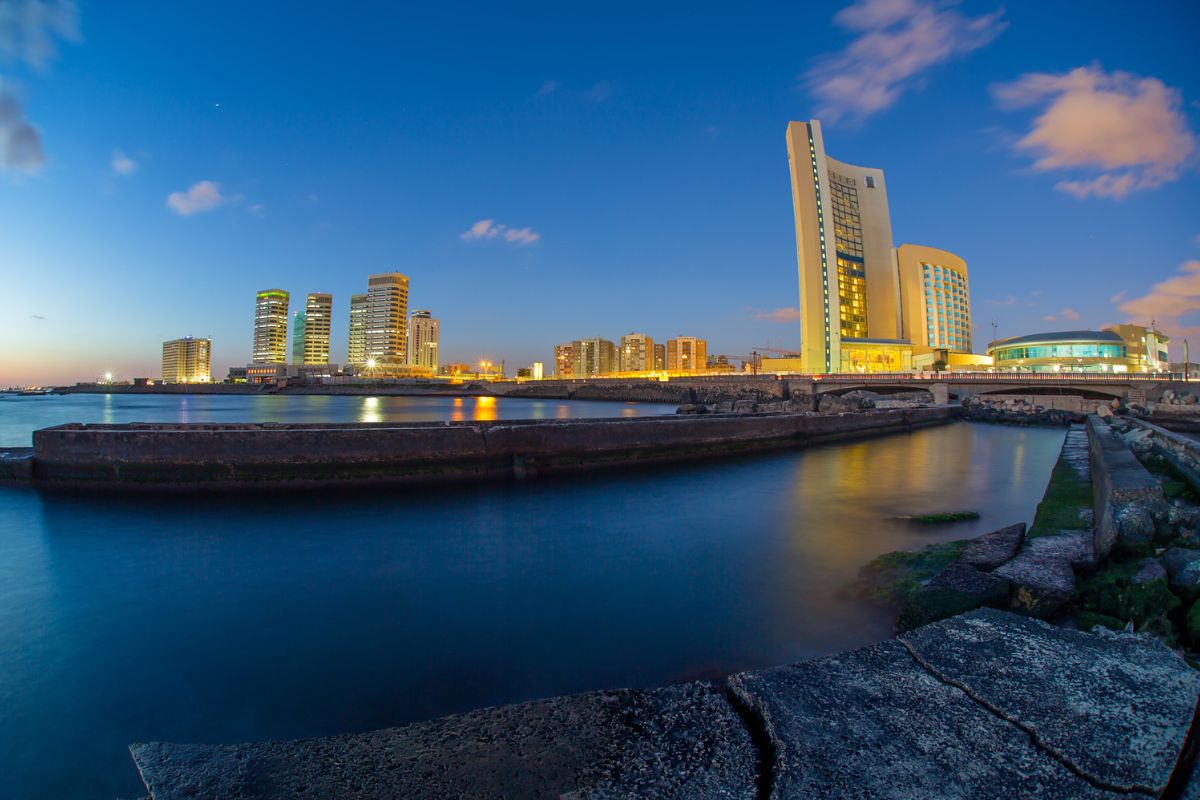
Tripoli, the capital of Libya, is a city rich in history and culture. But what makes this Mediterranean gem truly fascinating? Tripoli boasts a blend of ancient and modern influences, making it a unique destination. From its bustling markets to its stunning coastline, there's much to learn about this vibrant city. Did you know that Tripoli was founded by the Phoenicians in the 7th century BC? Or that it has been ruled by various empires, including the Romans, Byzantines, and Ottomans? Whether you're a history buff or just curious, these 30 facts about Tripoli will give you a deeper understanding of its past and present.
Tripoli: A City of Rich History
Tripoli, the capital of Libya, is a city with a deep and fascinating history. From ancient civilizations to modern times, it has seen it all. Let's dive into some intriguing facts about this historic city.
- Tripoli was founded by the Phoenicians in the 7th century BC. They named it Oea.
- The city is often referred to as the "White Bride of the Mediterranean" due to its stunning whitewashed buildings.
- Tripoli has been ruled by various empires, including the Romans, Byzantines, and Ottomans.
- The city's name, Tripoli, means "Three Cities" in Greek, referring to the ancient cities of Oea, Sabratha, and Leptis Magna.
Architectural Marvels
Tripoli boasts a variety of architectural styles, reflecting its diverse history. From ancient ruins to modern structures, the city's architecture tells a story of its own.
- The Red Castle Museum, also known as Assaraya Alhamra, is one of Tripoli's most iconic landmarks. It dates back to the 16th century.
- The Arch of Marcus Aurelius is a Roman triumphal arch built in 165 AD, dedicated to Emperor Marcus Aurelius.
- The Gurgi Mosque, built in 1834, is renowned for its intricate tile work and beautiful minaret.
- The Karamanli House, a historic mansion, showcases Ottoman architecture and now serves as a museum.
Cultural Melting Pot
Tripoli is a melting pot of cultures, with influences from Africa, the Middle East, and Europe. This diversity is reflected in its cuisine, traditions, and daily life.
- The city's old medina is a UNESCO World Heritage site, filled with narrow alleys, bustling markets, and historic buildings.
- Tripoli's souks (markets) offer a wide range of goods, from spices and textiles to jewelry and traditional crafts.
- The city's cuisine features a blend of Mediterranean, Arabic, and Berber flavors. Popular dishes include couscous, bazin, and shorba.
- Tripoli hosts various cultural festivals throughout the year, celebrating its rich heritage and traditions.
Natural Beauty
Beyond its historical and cultural significance, Tripoli is also known for its natural beauty. The city is blessed with stunning coastal views and lush landscapes.
- The Mediterranean Sea borders Tripoli to the north, providing beautiful beaches and crystal-clear waters.
- The city's coastline stretches for over 30 kilometers, offering plenty of spots for swimming, sunbathing, and water sports.
- Tripoli's climate is typically Mediterranean, with hot, dry summers and mild, wet winters.
- The Jebel Nafusa mountain range lies to the southwest of Tripoli, offering scenic views and hiking opportunities.
Modern-Day Tripoli
Despite its ancient roots, Tripoli is a bustling modern city with a vibrant economy and growing infrastructure. It continues to evolve while preserving its rich heritage.
- Tripoli is Libya's largest city, with a population of over 1.1 million people.
- The city's port is one of the busiest in North Africa, handling a significant portion of Libya's imports and exports.
- Tripoli International Airport serves as a major hub for air travel in the region.
- The city is home to several universities, including the University of Tripoli, which was founded in 1957.
Notable Figures
Tripoli has been home to many notable figures throughout history, from ancient rulers to modern-day leaders and influencers.
- Hannibal, the famous Carthaginian general, is believed to have spent time in Tripoli during his campaigns.
- The Karamanli dynasty, which ruled Tripoli from the 18th to the 19th century, left a lasting impact on the city's architecture and culture.
- Omar Mukhtar, a prominent Libyan resistance leader, fought against Italian colonization in the early 20th century.
- Muammar Gaddafi, Libya's controversial leader, ruled the country from Tripoli for over four decades until his overthrow in 2011.
Unique Attractions
Tripoli offers a range of unique attractions that draw visitors from around the world. From ancient ruins to modern museums, there's something for everyone.
- Leptis Magna, an ancient Roman city located near Tripoli, is one of the best-preserved archaeological sites in the Mediterranean.
- The Tripoli Zoo, established in 1955, is home to a variety of animals and serves as a popular family destination.
- The Martyrs' Square, formerly known as Green Square, is a central gathering place for events and celebrations.
- The National Museum of Libya, located in the Red Castle, houses a vast collection of artifacts from Libya's history.
Fun Facts
Let's wrap up with some fun and lesser-known facts about Tripoli that might surprise you.
- Tripoli has a twin city relationship with Belgrade, Serbia, promoting cultural and economic exchanges.
- The city is known for its vibrant street art scene, with many murals and graffiti pieces adorning its walls.
Tripoli's Fascinating Blend
Tripoli's rich history and vibrant culture make it a city worth exploring. From ancient ruins to bustling markets, there's always something new to learn. The city's unique blend of influences from different civilizations has shaped its architecture, cuisine, and traditions. Whether you're fascinated by its historical landmarks or intrigued by its modern-day charm, Tripoli offers a captivating experience.
The city's resilience and adaptability are evident in its ability to preserve its heritage while embracing change. This dynamic mix of old and new creates a unique atmosphere that draws visitors from around the world. Tripoli's stories, both ancient and contemporary, weave a tapestry that reflects its diverse past and promising future.
So, whether you're planning a visit or just curious about this Mediterranean gem, Tripoli's blend of history, culture, and modernity will leave a lasting impression. Dive into its wonders and let its charm captivate you.
Was this page helpful?
Our commitment to delivering trustworthy and engaging content is at the heart of what we do. Each fact on our site is contributed by real users like you, bringing a wealth of diverse insights and information. To ensure the highest standards of accuracy and reliability, our dedicated editors meticulously review each submission. This process guarantees that the facts we share are not only fascinating but also credible. Trust in our commitment to quality and authenticity as you explore and learn with us.