



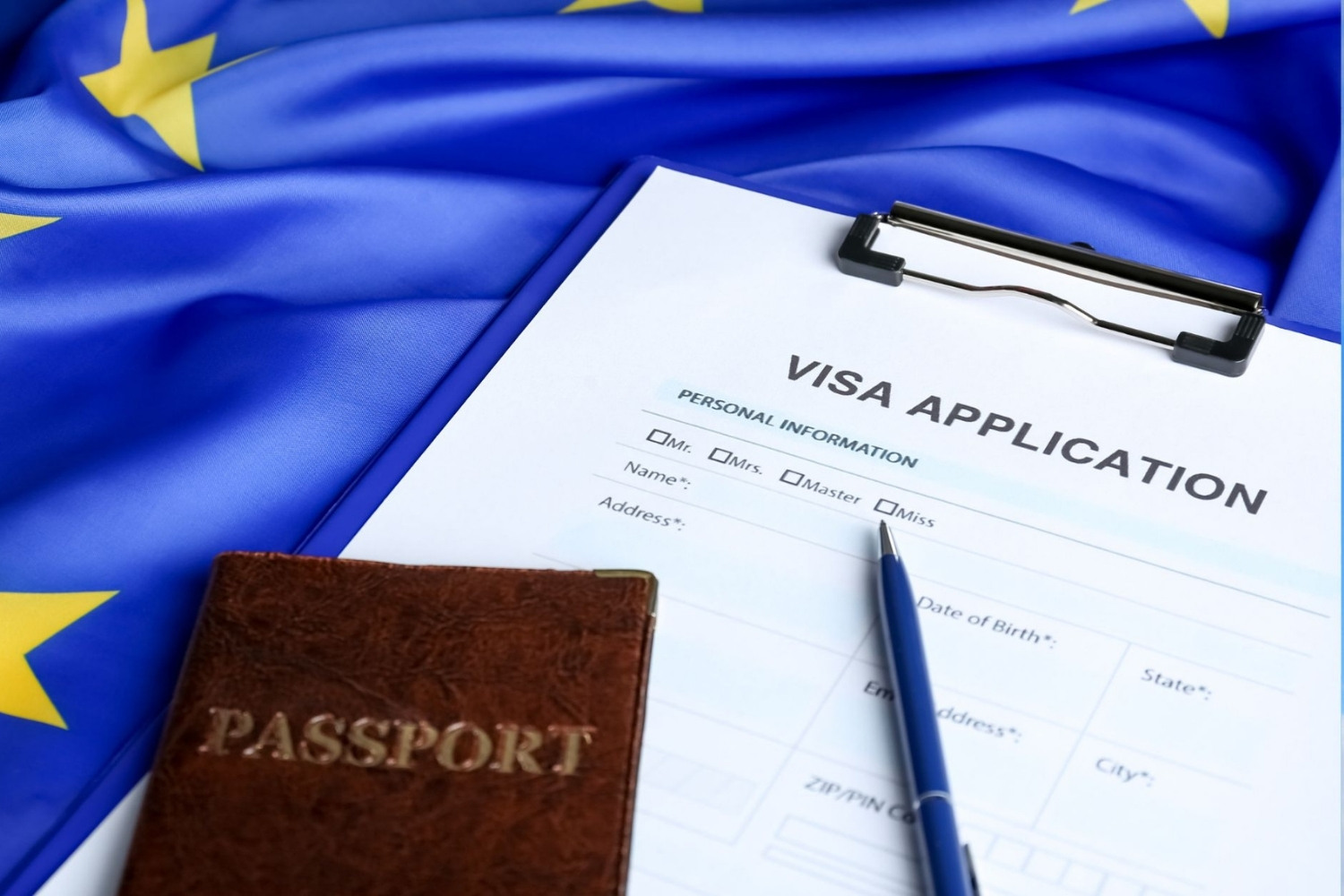
What is the Schengen Area? The Schengen Area is a group of 27 European countries that have abolished passport and other types of border control at their mutual borders. This means you can travel freely between these nations without going through border checks. Named after the 1985 Schengen Agreement, it aims to promote easier travel and trade. Why is it important? It simplifies travel for tourists and business travelers, boosts economies by facilitating trade, and strengthens cultural ties. Which countries are part of it? Countries like France, Germany, Italy, and Spain are members, but the UK and Ireland are not. How does it affect travel? Once you enter any Schengen country, you can move freely within the area for up to 90 days.
What is the Schengen Area?
The Schengen Area is a group of European countries that have abolished passport and other types of border control at their mutual borders. This allows for free and unrestricted movement of people within the area.
-
The Schengen Agreement was signed on June 14, 1985, by five of the ten member states of the European Economic Community.
-
The Schengen Area officially came into effect on March 26, 1995.
-
Currently, 27 countries are part of the Schengen Area.
Countries in the Schengen Area
The Schengen Area includes many European countries, but not all. Some countries are part of the European Union but not the Schengen Area, and vice versa.
-
Iceland, Norway, Switzerland, and Liechtenstein are part of the Schengen Area but not the European Union.
-
Ireland and the United Kingdom opted out of the Schengen Agreement.
-
Bulgaria, Romania, Croatia, and Cyprus are EU members but not yet part of the Schengen Area.
Benefits of the Schengen Area
The Schengen Area offers numerous benefits for both residents and travelers. These advantages range from easier travel to economic benefits.
-
Residents can travel between Schengen countries without passport checks.
-
The Schengen Area boosts tourism by making it easier for tourists to visit multiple countries on one trip.
-
Businesses benefit from the free movement of goods and services, reducing costs and increasing efficiency.
Schengen Visa
A Schengen Visa allows travelers to enter any of the Schengen countries for up to 90 days within a 180-day period. This visa is essential for many non-EU nationals.
-
Over 15 million Schengen visas are issued annually.
-
The visa application process includes providing biometric data like fingerprints and a digital photo.
-
A Schengen Visa can be single-entry, double-entry, or multiple-entry.
Border Control and Security
Despite the lack of internal borders, the Schengen Area has strict external border controls to ensure security.
-
The Schengen Information System (SIS) helps maintain security by sharing information about criminals and missing persons.
-
Frontex, the European Border and Coast Guard Agency, assists Schengen countries in managing their external borders.
-
Advanced Passenger Information (API) and Passenger Name Record (PNR) systems are used to monitor travelers entering the Schengen Area.
Challenges and Controversies
The Schengen Area faces several challenges, including security concerns and political disagreements among member states.
-
The 2015 migrant crisis led some countries to temporarily reintroduce border controls.
-
Terrorist attacks in Europe have raised questions about the effectiveness of Schengen's security measures.
-
Some countries argue that the Schengen Area should be reformed to better address modern challenges.
Fun Facts about the Schengen Area
Here are some interesting and lesser-known facts about the Schengen Area that might surprise you.
-
The Schengen Agreement was named after the village of Schengen in Luxembourg, where it was signed.
-
Monaco, San Marino, and Vatican City are not official members but have open borders with Schengen countries.
-
The Schengen Area covers over 4 million square kilometers.
Future of the Schengen Area
The Schengen Area continues to evolve, with potential expansions and reforms on the horizon.
-
Croatia is expected to join the Schengen Area soon, having met the necessary criteria.
-
The European Commission is working on proposals to strengthen the Schengen Area's external borders.
-
Discussions are ongoing about the inclusion of Bulgaria and Romania in the Schengen Area.
-
The Schengen Area remains a symbol of European unity and cooperation, despite its challenges.
Final Thoughts on Schengen
The Schengen Area is a fascinating region with a rich history and unique characteristics. From its origins in the Schengen Agreement to its impact on travel and trade, this zone has transformed how people move across Europe. With no internal borders, it offers a seamless travel experience, making it easier for tourists and business travelers alike. The Schengen Area also plays a crucial role in the EU's economy, boosting tourism and facilitating trade. However, it comes with challenges like managing security and immigration. Understanding these 25 facts gives you a deeper appreciation of what makes the Schengen Area special. Whether you're planning a trip or just curious, knowing these details can enhance your experience and knowledge. So next time you find yourself in Europe, remember the significance of the Schengen Area and enjoy the freedom it offers.
Was this page helpful?
Our commitment to delivering trustworthy and engaging content is at the heart of what we do. Each fact on our site is contributed by real users like you, bringing a wealth of diverse insights and information. To ensure the highest standards of accuracy and reliability, our dedicated editors meticulously review each submission. This process guarantees that the facts we share are not only fascinating but also credible. Trust in our commitment to quality and authenticity as you explore and learn with us.