



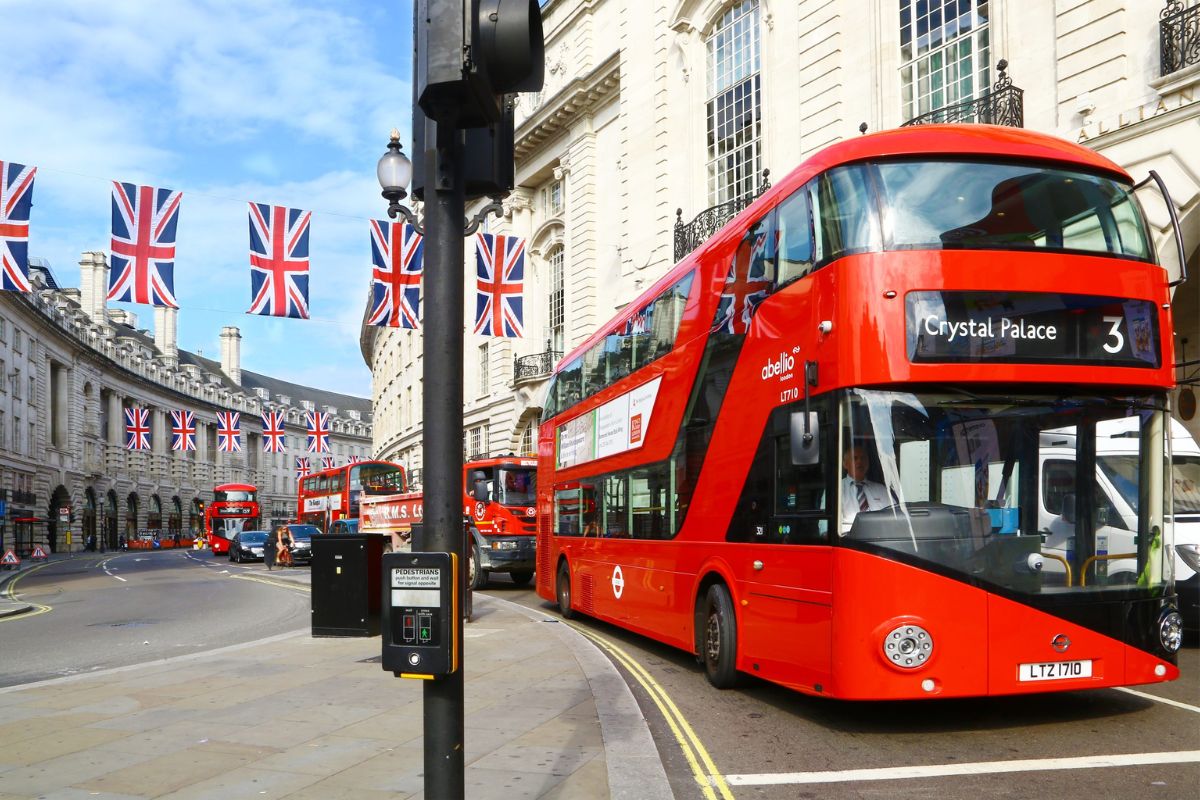
Transport for London (TfL) is the beating heart of the city's transit system, ensuring millions of journeys run smoothly every day. But how much do you really know about this sprawling network? Did you know TfL manages not just the iconic red buses and the Underground, but also the Overground, Docklands Light Railway (DLR), and even the Emirates Air Line cable car? With a history dating back to 2000, TfL has grown to become one of the most complex and efficient transportation systems in the world. From quirky facts about its hidden tunnels to the sheer number of Oyster cards in circulation, there's a lot to uncover. Buckle up as we delve into 25 fascinating facts about TfL that will make you appreciate your daily commute a bit more!
The Birth of Transport for London
Transport for London (TfL) is the integrated body responsible for the capital's transport system. From buses to bikes, TfL keeps London moving. Here are some fascinating facts about this vital organization.
- TfL was established in 2000 as part of the Greater London Authority.
- It oversees the London Underground, buses, Docklands Light Railway (DLR), London Overground, and more.
- TfL also manages London's congestion charge zone, introduced in 2003 to reduce traffic.
The Iconic London Underground
The London Underground, or the Tube, is one of the most recognizable parts of TfL. It's a marvel of engineering and history.
- The Tube opened in 1863, making it the world's first underground railway.
- It has 11 lines covering 402 kilometers (250 miles).
- The busiest station is Waterloo, with around 100 million passengers annually.
- The deepest station is Hampstead, 58.5 meters (192 feet) below ground.
Buses: The Red Giants of London
London's red buses are iconic. They play a crucial role in the city's transport network.
- There are over 9,000 buses in the TfL fleet.
- TfL operates around 675 bus routes.
- The famous Routemaster bus was introduced in 1956.
- London's buses travel over 300 million kilometers annually.
Cycling and Walking Initiatives
TfL promotes cycling and walking as sustainable transport options. These initiatives aim to reduce congestion and pollution.
- The Santander Cycles scheme, also known as "Boris Bikes," launched in 2010.
- There are over 750 docking stations and 11,000 bikes available for hire.
- TfL has invested in Cycle Superhighways to provide safer routes for cyclists.
- The Walking Tube map shows the walking times between stations, encouraging more people to walk short distances.
River Services and Cable Cars
TfL also manages river services and the Emirates Air Line cable car, offering unique ways to see the city.
- The Thames Clippers provide river bus services along the Thames.
- The Emirates Air Line, opened in 2012, is the UK's first urban cable car.
- The cable car spans 1 kilometer (0.62 miles) and offers stunning views of London.
Safety and Accessibility
Safety and accessibility are top priorities for TfL. They strive to make transport available to everyone.
- TfL has invested in step-free access at many Tube stations.
- All London buses are wheelchair accessible.
- TfL's "Please Offer Me a Seat" badge helps those with hidden disabilities find a seat.
- The Night Tube, launched in 2016, provides 24-hour service on key lines during weekends.
Environmental Initiatives
TfL is committed to reducing its environmental impact. They have several initiatives to make transport greener.
- The Ultra Low Emission Zone (ULEZ) was introduced in 2019 to reduce air pollution.
- TfL is transitioning to a zero-emission bus fleet by 2037.
- The organization promotes electric vehicles and has installed numerous charging points across the city.
TfL: A Fascinating Ride
Transport for London (TfL) is more than just a way to get around. It's a vital part of the city's history and daily life. From the iconic red buses to the world-famous Tube, TfL keeps millions moving smoothly. Did you know the Tube was the first underground railway in the world? Or that TfL's Oyster card revolutionized how people pay for travel? These facts highlight TfL's innovation and importance.
TfL isn't just about transportation; it's about connecting people and places. With a focus on sustainability, TfL is working to reduce emissions and promote greener travel options. Whether you're a Londoner or a visitor, TfL's rich history and commitment to the future make it a fascinating subject.
Next time you hop on a bus or take the Tube, remember the incredible system behind it all. TfL truly is the lifeblood of London.
Was this page helpful?
Our commitment to delivering trustworthy and engaging content is at the heart of what we do. Each fact on our site is contributed by real users like you, bringing a wealth of diverse insights and information. To ensure the highest standards of accuracy and reliability, our dedicated editors meticulously review each submission. This process guarantees that the facts we share are not only fascinating but also credible. Trust in our commitment to quality and authenticity as you explore and learn with us.