



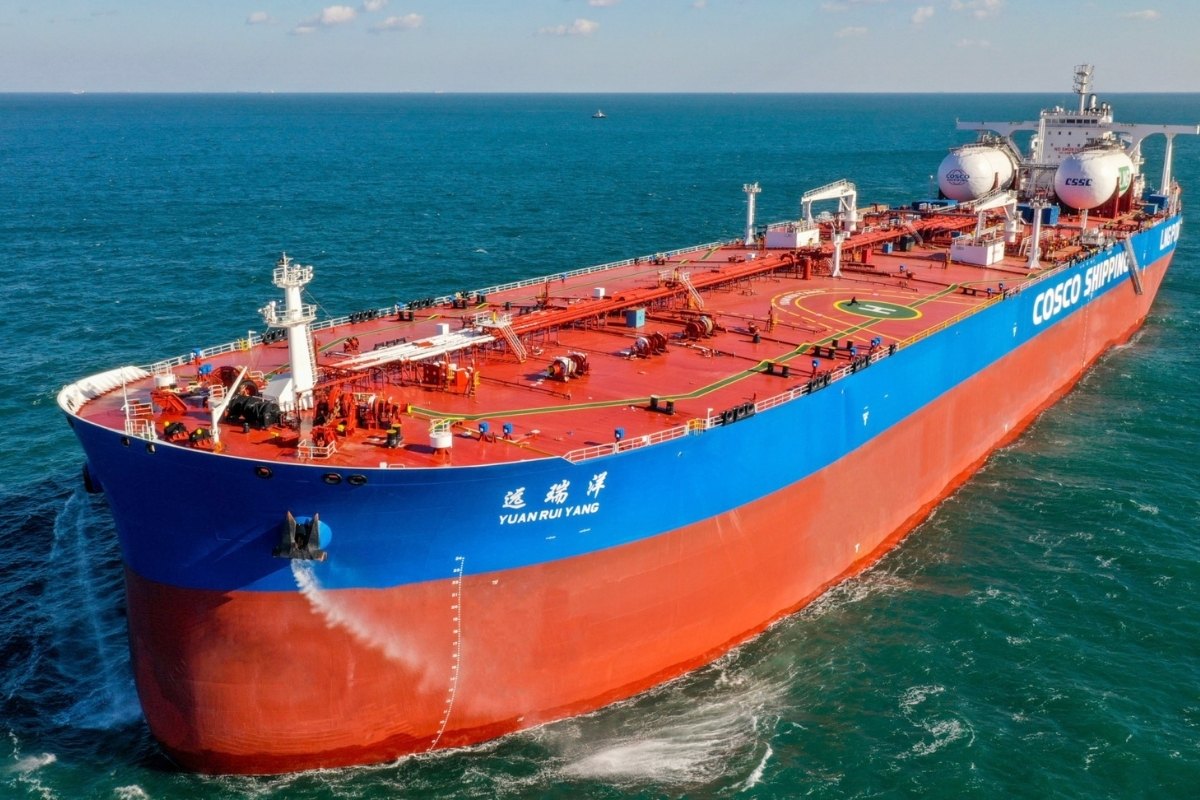
Oil tankers are massive ships designed to transport large quantities of oil across the world's oceans. But how much do you really know about these giants of the sea? From their sheer size to their vital role in global trade, oil tankers are fascinating vessels. Did you know that the largest oil tanker ever built was the Seawise Giant, which was longer than the Empire State Building is tall? These ships are essential for moving crude oil from production sites to refineries, ensuring that industries and consumers have the fuel they need. In this post, we'll dive into 25 intriguing facts about oil tankers, shedding light on their history, operation, and impact on the world. Buckle up for a journey through the world of these colossal carriers!
The Giants of the Sea
Oil tankers are colossal vessels that transport vast quantities of crude oil and petroleum products across the globe. These floating giants play a crucial role in the global economy and energy supply chain. Here are some fascinating facts about these maritime behemoths.
-
Super Tankers: The largest oil tankers, known as Very Large Crude Carriers (VLCCs) and Ultra Large Crude Carriers (ULCCs), can carry up to 2 million barrels of oil.
-
Massive Dimensions: Some oil tankers are over 1,300 feet long, which is longer than the Empire State Building is tall.
-
Heavyweights: Fully loaded, these tankers can weigh up to 500,000 tons, making them some of the heaviest moving objects on Earth.
Historical Background
The history of oil tankers is as rich as the oil they carry. These vessels have evolved significantly since their inception.
-
First Oil Tanker: The first oil tanker, the Zoroaster, was built in 1878 by Ludvig Nobel, brother of Alfred Nobel, the founder of the Nobel Prize.
-
World War II Impact: During World War II, oil tankers were prime targets due to their crucial role in fueling warships and aircraft.
-
Post-War Boom: The demand for oil surged after World War II, leading to the construction of larger and more efficient tankers.
Engineering Marvels
The design and engineering of oil tankers are nothing short of miraculous. These ships are built to withstand harsh marine environments and transport hazardous cargo safely.
-
Double Hulls: Modern oil tankers are built with double hulls to reduce the risk of oil spills in case of a collision or grounding.
-
Advanced Navigation: Equipped with state-of-the-art navigation systems, these tankers can traverse the world's oceans with pinpoint accuracy.
-
Ballast Systems: To maintain stability, oil tankers use ballast systems that fill empty tanks with seawater when not carrying oil.
Environmental Concerns
Oil tankers have a significant environmental footprint. Efforts are continually made to mitigate their impact on the oceans and marine life.
-
Oil Spills: Despite safety measures, oil spills remain a significant environmental threat. The Exxon Valdez spill in 1989 is one of the most infamous incidents.
-
Emission Regulations: International regulations, such as those by the International Maritime Organization (IMO), aim to reduce emissions from oil tankers.
-
Eco-Friendly Designs: Newer tankers are designed to be more fuel-efficient and environmentally friendly, incorporating technologies like scrubbers to reduce sulfur emissions.
Economic Impact
Oil tankers are vital to the global economy, facilitating the transport of one of the world's most valuable commodities.
-
Global Trade: Approximately 60% of the world's oil is transported by sea, highlighting the importance of oil tankers in global trade.
-
Employment: The oil tanker industry provides jobs for thousands of people, from shipbuilders to crew members.
-
Cost-Effective: Transporting oil by tanker is one of the most cost-effective methods, keeping fuel prices relatively low.
Safety Measures
Safety is paramount in the oil tanker industry. Numerous protocols and technologies are in place to ensure the safe transport of oil.
-
Fire Suppression Systems: Advanced fire suppression systems are installed on tankers to prevent and control fires.
-
Crew Training: Crew members undergo rigorous training to handle emergencies and ensure the safe operation of the vessel.
-
Piracy Protection: In regions prone to piracy, tankers are equipped with security measures, including armed guards and anti-piracy technologies.
Future of Oil Tankers
The future of oil tankers is shaped by technological advancements and changing energy demands.
-
LNG-Powered Tankers: Some new tankers are powered by liquefied natural gas (LNG), which is cleaner than traditional marine fuels.
-
Autonomous Ships: Research is underway to develop autonomous oil tankers that can operate without a crew, potentially increasing efficiency and safety.
-
Alternative Fuels: The industry is exploring alternative fuels, such as biofuels and hydrogen, to reduce the environmental impact of oil tankers.
Interesting Tidbits
Beyond their primary function, oil tankers have some intriguing aspects that might surprise you.
-
Floating Storage: During times of low oil demand, tankers are often used as floating storage units, anchoring offshore until prices rise.
-
Shipbreaking: When oil tankers reach the end of their service life, they are often sent to shipbreaking yards, where they are dismantled and recycled.
-
Naming Conventions: Many oil tankers are named after famous oil fields, cities, or historical figures, reflecting their owners' heritage and pride.
-
Cultural Impact: Oil tankers have been featured in numerous movies, books, and documentaries, highlighting their significance in modern society.
The Final Word on Oil Tankers
Oil tankers play a huge role in global trade, moving millions of barrels of oil every day. These massive ships are engineering marvels, designed to safely transport their precious cargo across the world's oceans. From the largest ULCCs to the smaller Aframax vessels, each type of tanker has a specific role in the industry.
Safety measures, like double hulls and advanced navigation systems, ensure that oil spills are minimized. Environmental regulations continue to evolve, pushing the industry toward greener practices.
Understanding these facts about oil tankers gives a clearer picture of how vital they are to our daily lives. Next time you see one of these giants on the horizon, you'll know just how important they are to keeping the world running smoothly.
Was this page helpful?
Our commitment to delivering trustworthy and engaging content is at the heart of what we do. Each fact on our site is contributed by real users like you, bringing a wealth of diverse insights and information. To ensure the highest standards of accuracy and reliability, our dedicated editors meticulously review each submission. This process guarantees that the facts we share are not only fascinating but also credible. Trust in our commitment to quality and authenticity as you explore and learn with us.