



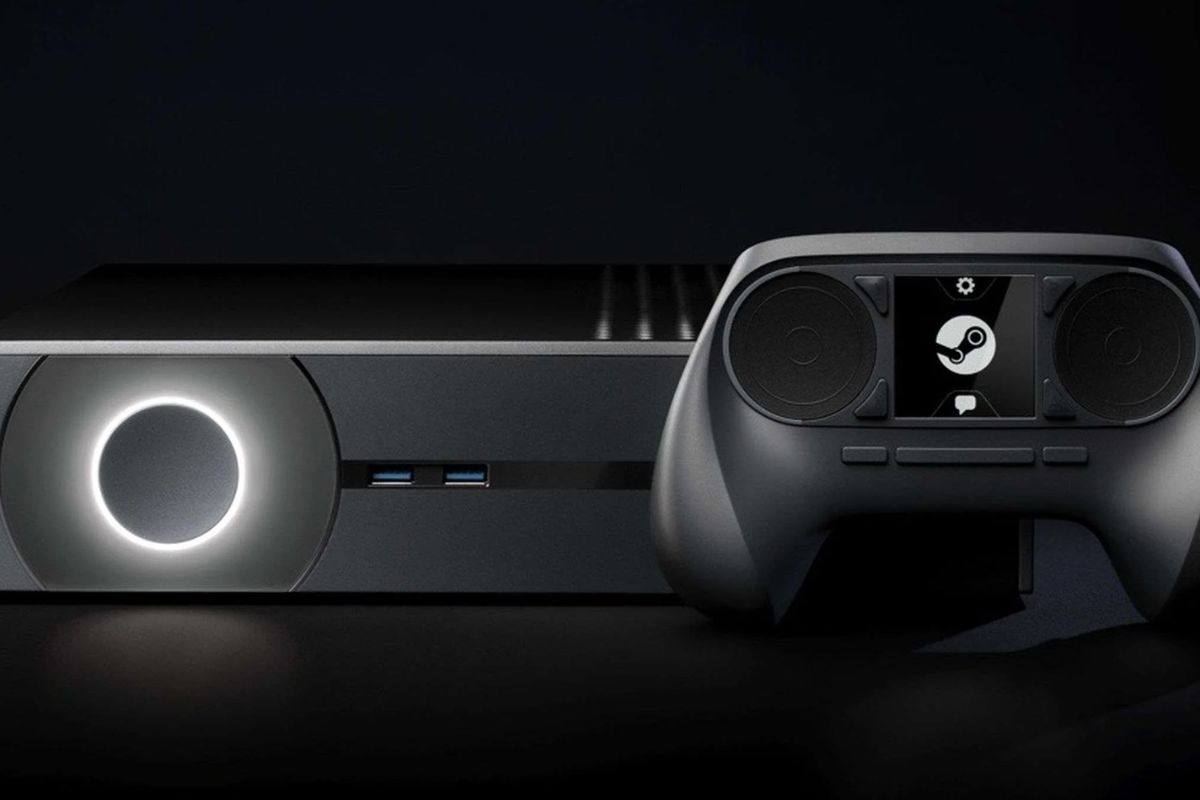
What is the Valve Steam Machine? The Valve Steam Machine is a gaming console developed by Valve Corporation, designed to bring PC gaming into the living room. Unlike traditional consoles, it runs on SteamOS, a Linux-based operating system tailored for gaming. Steam Machines come in various models from different manufacturers, offering flexibility in hardware choices. They aim to combine the power of a gaming PC with the ease of a console. With access to the vast Steam library, gamers can enjoy thousands of titles. Despite its innovative approach, the Steam Machine faced challenges in gaining widespread popularity.
What is the Valve Steam Machine?
The Valve Steam Machine, also known as the Steam Box, was Valve Corporation's ambitious attempt to bring PC gaming to the living room. It aimed to combine the power of a gaming PC with the convenience of a console. Here are some fascinating facts about this innovative device.
-
Valve's Vision: Valve wanted to create a hybrid device that could bridge the gap between PC and console gaming, offering the best of both worlds.
-
SteamOS: The Steam Machine ran on SteamOS, a Linux-based operating system designed specifically for gaming.
-
Multiple Manufacturers: Unlike traditional consoles, the Steam Machine was produced by various manufacturers, including Alienware, Zotac, and Gigabyte.
-
Customizable Hardware: Gamers could choose from different hardware configurations, allowing for a range of performance and price options.
-
Steam Controller: Valve introduced the Steam Controller alongside the Steam Machine, featuring a unique touchpad design for precise control.
Hardware and Performance
The Steam Machine's hardware was a significant selling point, offering flexibility and power. Let's dive into some specific details about its hardware and performance.
-
Upgradeable Components: Unlike traditional consoles, users could upgrade the Steam Machine's components, such as the GPU and RAM.
-
Variety of Models: There were multiple models available, ranging from entry-level to high-end systems, catering to different budgets and performance needs.
-
Compact Design: Despite its powerful hardware, the Steam Machine maintained a compact form factor, making it suitable for living room setups.
-
4K Gaming: Some high-end models supported 4K gaming, providing stunning visuals for compatible games.
-
VR Ready: Certain Steam Machines were powerful enough to support virtual reality gaming, a feature that set them apart from many consoles at the time.
Software and Compatibility
The software and compatibility aspects of the Steam Machine were crucial to its functionality and user experience. Here are some key points.
-
Steam Library: Users had access to their entire Steam library, allowing them to play thousands of games on the Steam Machine.
-
Steam Big Picture Mode: SteamOS featured Big Picture Mode, a user interface designed for use with a TV and controller.
-
Linux-Based: SteamOS was built on Linux, which meant that not all Steam games were compatible, though the library of supported games grew over time.
-
Streaming Capabilities: Users could stream games from their primary gaming PC to the Steam Machine, enabling high-performance gaming on less powerful hardware.
-
Open Source: SteamOS was open source, allowing developers and enthusiasts to modify and improve the software.
Market Reception and Challenges
Despite its innovative features, the Steam Machine faced several challenges in the market. Here are some insights into its reception and the hurdles it encountered.
-
Mixed Reviews: The Steam Machine received mixed reviews, with praise for its concept but criticism for its execution and limited game library.
-
High Price: The cost of high-end Steam Machines was comparable to gaming PCs, which deterred some potential buyers.
-
Limited Exclusives: Unlike traditional consoles, the Steam Machine lacked exclusive titles, which are often a significant selling point for gamers.
-
Competition: The Steam Machine faced stiff competition from established consoles like the PlayStation and Xbox, as well as traditional gaming PCs.
-
Marketing Issues: Valve's marketing strategy for the Steam Machine was criticized for being unclear and inconsistent.
Legacy and Impact
Although the Steam Machine did not achieve widespread success, it left a lasting impact on the gaming industry. Here are some ways it influenced the market.
-
Steam Link: Valve introduced the Steam Link, a device that allowed users to stream games from their PC to their TV, building on the Steam Machine's streaming capabilities.
-
SteamOS Development: The development of SteamOS contributed to the growth of Linux gaming, encouraging more developers to support the platform.
-
Controller Innovation: The Steam Controller's unique design influenced the development of other gaming controllers, including the touchpad features seen in later models.
-
PC-Console Hybrid Concept: The idea of a PC-console hybrid continued to inspire other products, such as the Alienware Alpha and the NVIDIA Shield.
-
Valve's Experimentation: The Steam Machine demonstrated Valve's willingness to experiment and innovate, paving the way for future projects like the Steam Deck.
Final Thoughts on the Valve Steam Machine
The Valve Steam Machine was a bold attempt to merge PC gaming with the console experience. Despite its innovative approach, it faced challenges like high costs, limited game compatibility, and competition from established consoles. However, it did pave the way for future gaming innovations and highlighted the potential of Linux-based gaming.
For gamers who crave flexibility and customization, the Steam Machine offered a glimpse into what’s possible. While it didn’t revolutionize the market, it certainly left its mark. As technology continues to evolve, the lessons learned from the Steam Machine will likely influence future gaming systems.
Whether you’re a hardcore gamer or just curious about gaming history, the Steam Machine is a fascinating chapter worth exploring. It’s a reminder that even ambitious projects can shape the future in unexpected ways.
Was this page helpful?
Our commitment to delivering trustworthy and engaging content is at the heart of what we do. Each fact on our site is contributed by real users like you, bringing a wealth of diverse insights and information. To ensure the highest standards of accuracy and reliability, our dedicated editors meticulously review each submission. This process guarantees that the facts we share are not only fascinating but also credible. Trust in our commitment to quality and authenticity as you explore and learn with us.