



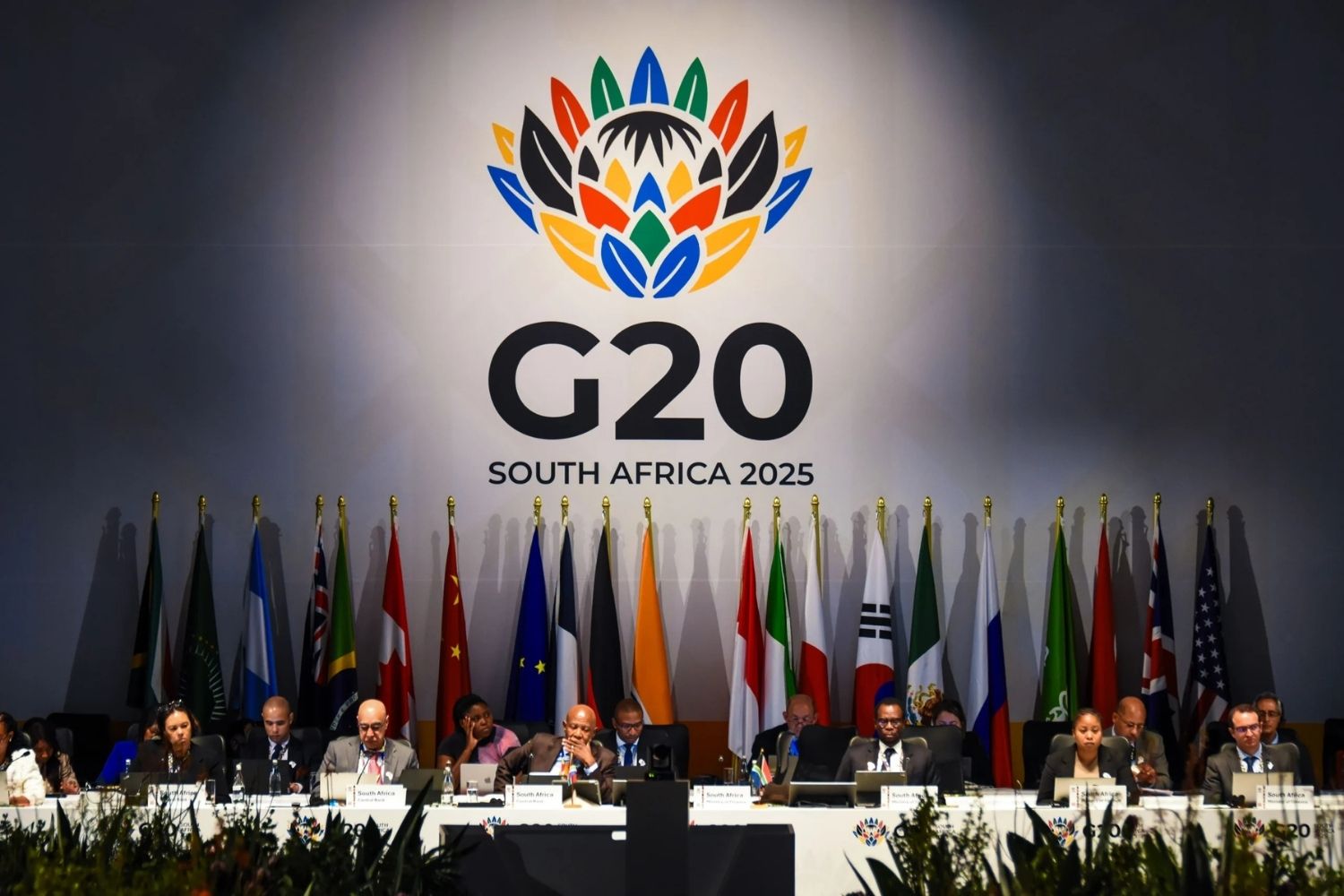
What is the G20? The G20, or Group of Twenty, is a major international forum for governments and central bank governors from 19 countries and the European Union. Formed in 1999, it addresses global economic issues, financial stability, and sustainable development. The G20 includes major economies like the United States, China, India, and Germany. Meetings occur annually, with leaders discussing policies to promote international financial stability. The G20's influence extends beyond economics, touching on climate change, health, and trade. Understanding the G20 is crucial for grasping how global economic policies are shaped and implemented. Dive into these 30 facts to get a clearer picture of this powerful group.
What is the G20?
The G20 is a major international forum that brings together the world's largest economies. It plays a crucial role in global economic governance. Here are some fascinating facts about the G20.
-
The G20 was established in 1999 in response to the financial crises of the late 1990s. It aimed to bring together major economies to discuss policy issues.
-
The group consists of 19 countries plus the European Union. These members represent about 85% of global GDP and 75% of international trade.
-
The G20 includes both developed and developing nations, making it a unique platform for dialogue.
-
The first G20 summit took place in Washington, D.C., in 2008, focusing on the global financial crisis.
-
The G20 does not have a permanent secretariat or headquarters. Instead, the presidency rotates annually among its members.
G20 Members and Their Influence
The G20's membership is diverse, including countries from every continent. Each member brings its own unique influence to the table.
-
The G20 members are Argentina, Australia, Brazil, Canada, China, France, Germany, India, Indonesia, Italy, Japan, Mexico, Russia, Saudi Arabia, South Africa, South Korea, Turkey, the United Kingdom, the United States, and the European Union.
-
China and India are the two most populous countries in the G20, together accounting for over a third of the world's population.
-
The United States has the largest economy in the G20, contributing significantly to global economic policies.
-
Germany is the largest economy in Europe and plays a key role in shaping EU policies within the G20.
-
South Africa is the only African nation in the G20, representing the continent's interests.
G20 Summits and Their Impact
G20 summits are pivotal events where leaders discuss and coordinate on global issues. These meetings have led to significant decisions and agreements.
-
The 2009 London Summit resulted in a $1.1 trillion commitment to restore credit, growth, and jobs in the global economy.
-
The 2010 Toronto Summit focused on fiscal consolidation and financial sector reforms.
-
The 2015 Antalya Summit in Turkey emphasized the refugee crisis and global terrorism.
-
The 2016 Hangzhou Summit in China introduced the concept of an "inclusive world economy."
-
The 2018 Buenos Aires Summit saw the signing of the USMCA trade agreement between the US, Mexico, and Canada.
Key Issues Addressed by the G20
The G20 tackles a wide range of global issues, from economic policies to social challenges. Here are some key areas of focus.
-
Financial regulation is a major topic, especially after the 2008 financial crisis. The G20 has worked on strengthening global financial systems.
-
Climate change is another critical issue. The G20 has committed to the Paris Agreement and works on promoting sustainable development.
-
Trade and investment are always on the agenda, with discussions on reducing trade barriers and promoting fair trade practices.
-
The G20 addresses global health issues, including pandemics. The group played a role in coordinating responses to the COVID-19 pandemic.
-
Digital economy and innovation are increasingly important topics, with the G20 promoting digital inclusion and cybersecurity.
G20 and Global Development
The G20 also focuses on global development, aiming to reduce inequality and promote sustainable growth.
-
The G20 has launched initiatives to support low-income countries, including debt relief programs.
-
Education and employment are key areas, with efforts to improve access to quality education and create job opportunities.
-
The G20 promotes gender equality, working to close the gender gap in labor force participation.
-
Infrastructure development is another focus, with the G20 supporting projects that enhance connectivity and economic growth.
-
The G20 works on food security, aiming to ensure that all people have access to sufficient, safe, and nutritious food.
Interesting Facts About G20 Meetings
G20 meetings are not just about serious discussions; they also have some interesting and unique aspects.
-
The G20 summits often feature cultural events showcasing the host country's heritage and traditions.
-
Security is extremely tight at G20 summits, with thousands of police and military personnel deployed to ensure the safety of leaders.
-
The G20 meetings are attended by not just political leaders but also heads of international organizations like the IMF and World Bank.
-
The host country often issues a "G20 Leaders' Declaration" summarizing the outcomes of the summit.
-
The G20 has a "Troika" system, where the current, previous, and next host countries work together to ensure continuity in the group's agenda.
The G20's Global Impact
The G20 isn't just a group of countries meeting for coffee. It's a powerhouse shaping the world's economy. From tackling climate change to addressing global health crises, the G20's decisions ripple across the globe. These nations represent about 85% of the world's GDP and 75% of international trade. That's a lot of influence!
Their summits bring together leaders to discuss pressing issues, aiming for sustainable development and economic stability. The G20's role in financial regulation and crisis management has been crucial, especially during economic downturns.
Understanding the G20's impact helps us grasp how interconnected our world is. Their actions affect everything from the price of goods to job markets. So, next time you hear about a G20 summit, remember, it's not just a meeting; it's shaping our future.
Was this page helpful?
Our commitment to delivering trustworthy and engaging content is at the heart of what we do. Each fact on our site is contributed by real users like you, bringing a wealth of diverse insights and information. To ensure the highest standards of accuracy and reliability, our dedicated editors meticulously review each submission. This process guarantees that the facts we share are not only fascinating but also credible. Trust in our commitment to quality and authenticity as you explore and learn with us.