



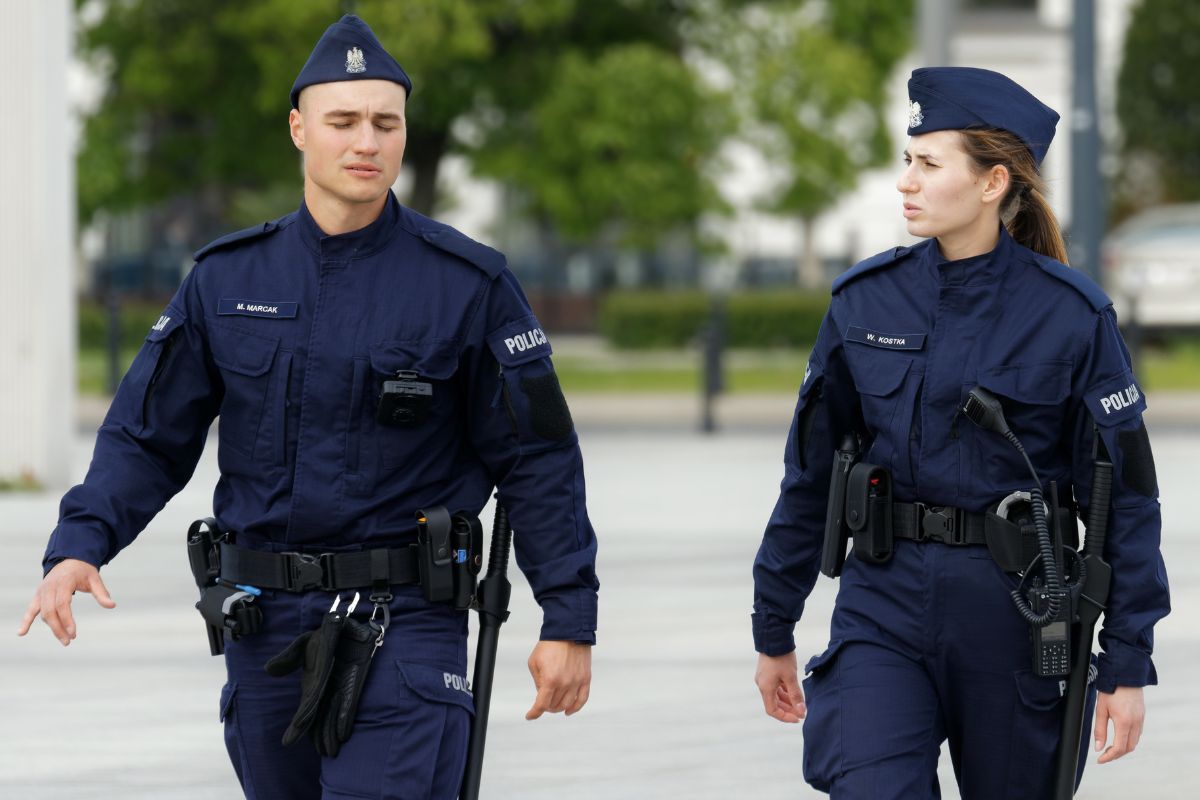
Ever wondered what makes police officers tick? These brave men and women play a crucial role in maintaining law and order, but there's so much more to their lives than just wearing a badge. From rigorous training to the unique challenges they face daily, police officers have a job that's both demanding and rewarding. Did you know that police officers undergo extensive psychological evaluations before hitting the streets? Or that they often work long, irregular hours, sacrificing personal time to keep communities safe? In this post, we'll uncover 25 fascinating facts about police officers that will give you a deeper appreciation for their dedication and hard work. Buckle up, because you're about to learn some surprising truths about the heroes in blue!
The Role of Officers in Society
Officers play a crucial role in maintaining order and safety in our communities. Their responsibilities span various aspects of law enforcement, public safety, and community engagement. Here are some intriguing facts about officers that highlight their importance and dedication.
- Police officers are often the first responders in emergencies, providing critical assistance before other services arrive.
- The term "police" comes from the Greek word "polis," meaning city or community.
- Modern policing began in 1829 with the establishment of the Metropolitan Police Service in London by Sir Robert Peel.
- Officers undergo extensive training, including physical fitness, legal education, and crisis management.
- Community policing, a strategy that emphasizes building relationships with community members, has been shown to reduce crime rates.
Training and Skills of Officers
Becoming an officer requires rigorous training and a diverse skill set. This ensures they are well-prepared to handle various situations they may encounter on duty.
- Police academies typically require recruits to complete around 600-800 hours of training.
- Officers receive training in de-escalation techniques to handle potentially volatile situations peacefully.
- Many officers are trained in first aid and CPR, enabling them to provide life-saving assistance.
- Crisis intervention training helps officers manage situations involving individuals with mental health issues.
- Officers often undergo continuous professional development to stay updated on new laws and policing techniques.
The Diverse Roles of Officers
Officers can specialize in various fields within law enforcement, each with unique responsibilities and challenges.
- Detectives investigate crimes, gather evidence, and work to solve cases.
- Traffic officers focus on enforcing traffic laws and ensuring road safety.
- K-9 units work with specially trained dogs to detect drugs, explosives, and find missing persons.
- SWAT teams handle high-risk operations, such as hostage situations and armed standoffs.
- School resource officers work within educational institutions to ensure the safety of students and staff.
The Challenges Officers Face
The job of an officer is not without its challenges. They often face dangerous and stressful situations that require quick thinking and resilience.
- Officers frequently work long and irregular hours, including nights, weekends, and holidays.
- The risk of injury is high, with officers often encountering violent individuals and hazardous situations.
- Stress and mental health issues are common among officers due to the nature of their work.
- Officers must make split-second decisions that can have significant consequences.
- Despite the challenges, many officers find their work rewarding and fulfilling.
The Impact of Technology on Policing
Technology has significantly changed how officers perform their duties, enhancing their ability to solve crimes and protect communities.
- Body-worn cameras provide transparency and accountability in police interactions.
- Advanced forensic technology helps solve crimes with greater accuracy.
- Drones are used for surveillance and search-and-rescue operations.
- Predictive policing uses data analysis to anticipate and prevent crime.
- Social media platforms help officers engage with the community and gather information.
Officers are essential to maintaining the safety and order of our society. Their dedication, training, and adaptability enable them to meet the diverse challenges of their profession.
Officers: More Than Meets the Eye
Officers play crucial roles in maintaining order, enforcing laws, and ensuring public safety. From their rigorous training to their daily duties, these professionals face challenges that require dedication, bravery, and a strong sense of justice. They often go beyond the call of duty, engaging in community outreach and building trust with the people they serve. Understanding the complexities of their job helps us appreciate their contributions more deeply.
Whether it's handling emergencies, solving crimes, or simply being a reassuring presence, officers are integral to our communities. Their work is demanding, often dangerous, but incredibly rewarding. Next time you see an officer, remember the facts you've learned and the sacrifices they make daily. A simple thank you can go a long way in showing appreciation for their hard work and commitment.
Was this page helpful?
Our commitment to delivering trustworthy and engaging content is at the heart of what we do. Each fact on our site is contributed by real users like you, bringing a wealth of diverse insights and information. To ensure the highest standards of accuracy and reliability, our dedicated editors meticulously review each submission. This process guarantees that the facts we share are not only fascinating but also credible. Trust in our commitment to quality and authenticity as you explore and learn with us.