



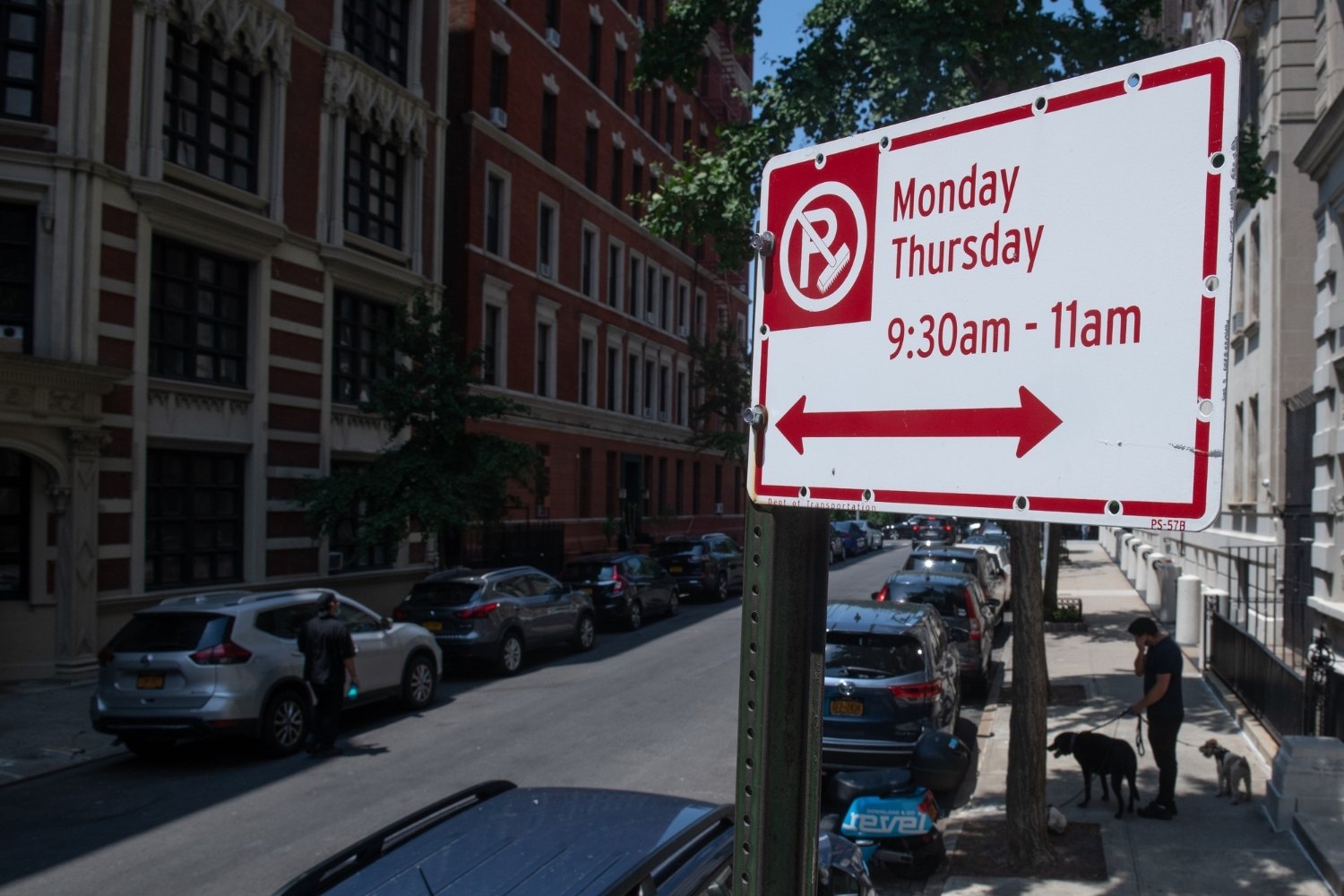
Alternate side parking rules can be a real headache, especially in bustling cities. Ever wondered why these rules exist or how they impact your daily routine? Alternate side parking is designed to keep streets clean and traffic flowing smoothly. It requires vehicles to park on different sides of the street on different days, allowing street sweepers to do their job. This practice is common in many urban areas, but the specifics can vary widely. From avoiding hefty fines to understanding the best times to move your car, knowing the ins and outs of alternate side parking can save you a lot of trouble. Ready to become an expert on this topic? Let’s dive into 25 fascinating facts that will make you a pro at navigating these tricky rules.
What is Alternate Side Parking?
Alternate side parking rules can be confusing, but they are essential for city maintenance. These regulations dictate which side of the street cars can park on specific days. Let's dive into some interesting facts about alternate side parking.
-
Origin: Alternate side parking rules originated in New York City in the early 20th century to facilitate street cleaning.
-
Purpose: The primary goal is to allow street sweepers to clean the roads effectively without obstacles.
-
Frequency: In some cities, these rules apply daily, while in others, only a few times a week.
-
Signage: Clear signs indicate the days and times when alternate side parking rules are in effect.
-
Fines: Violating these rules can result in hefty fines, often ranging from $30 to $65, depending on the city.
How Does It Impact Residents?
Residents must stay vigilant about alternate side parking schedules to avoid penalties. Here are some ways it affects daily life.
-
Morning Routine: Many residents set alarms to move their cars early in the morning.
-
Parking Spots: Finding a new parking spot can be challenging, especially in densely populated areas.
-
Stress: The constant need to move cars can add stress to residents' lives.
-
Community Awareness: Neighbors often remind each other about the rules to avoid fines.
-
Adaptation: Over time, residents develop strategies to cope with these regulations.
Benefits of Alternate Side Parking
Despite the inconvenience, alternate side parking offers several benefits for cities and their inhabitants.
-
Clean Streets: Regular street cleaning helps maintain cleaner and more hygienic streets.
-
Pest Control: Clean streets reduce the likelihood of pest infestations.
-
Flood Prevention: Clear gutters and drains prevent flooding during heavy rains.
-
Aesthetic Appeal: Well-maintained streets enhance the overall appearance of neighborhoods.
-
Safety: Clean streets reduce the risk of accidents caused by debris.
Challenges and Controversies
Alternate side parking is not without its challenges and controversies. Here are some common issues.
-
Confusion: New residents or visitors often find the rules confusing.
-
Inconsistent Enforcement: In some areas, enforcement can be inconsistent, leading to frustration.
-
Weather Conditions: Snow and ice can make it difficult to move cars, complicating compliance.
-
Limited Parking: In areas with limited parking, finding a spot can be nearly impossible.
-
Economic Impact: Fines can be a financial burden for low-income residents.
Interesting Tidbits
Here are some lesser-known facts about alternate side parking that might surprise you.
-
Historical Changes: Over the years, many cities have adjusted their rules to better suit residents' needs.
-
Technology: Some cities use apps to notify residents about alternate side parking schedules.
-
Exemptions: Certain vehicles, like those with disability permits, may be exempt from these rules.
-
Community Involvement: In some neighborhoods, residents have petitioned for changes to the rules.
-
Environmental Impact: Cleaner streets contribute to a healthier environment by reducing pollution.
Final Thoughts on Alternate Side Parking
Alternate side parking can be a real headache, but knowing the rules can save you from tickets and towing. It’s all about staying informed and being prepared. Keep an eye on those signs, set reminders for street cleaning days, and always double-check the schedule before parking. Cities have these rules to keep streets clean and safe, so following them helps everyone. If you’re new to a city, take a few minutes to learn the local regulations. It might seem like a hassle, but it’s worth it to avoid fines and frustration. Remember, a little knowledge goes a long way in navigating the quirks of urban parking. Stay sharp, stay informed, and you’ll master alternate side parking in no time.
Was this page helpful?
Our commitment to delivering trustworthy and engaging content is at the heart of what we do. Each fact on our site is contributed by real users like you, bringing a wealth of diverse insights and information. To ensure the highest standards of accuracy and reliability, our dedicated editors meticulously review each submission. This process guarantees that the facts we share are not only fascinating but also credible. Trust in our commitment to quality and authenticity as you explore and learn with us.