



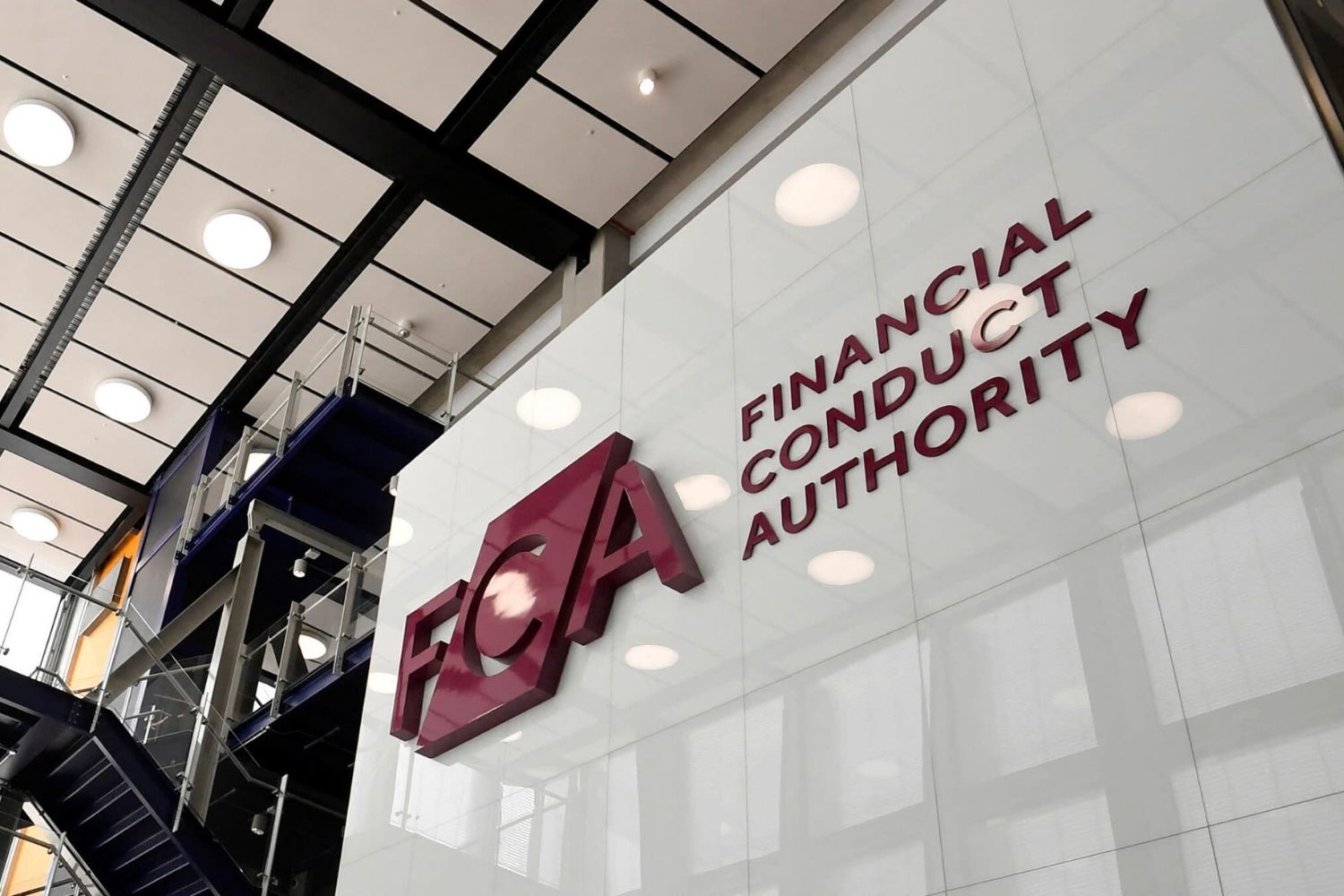
What is the FCA? The Financial Conduct Authority (FCA) is a regulatory body in the UK that oversees financial markets and firms. It ensures that financial businesses operate fairly, transparently, and in the best interest of consumers. Established in 2013, the FCA replaced the Financial Services Authority (FSA) and has since played a crucial role in maintaining the integrity of the UK's financial system. The FCA's responsibilities include protecting consumers, enhancing market integrity, and promoting competition. By setting standards and enforcing rules, the FCA aims to prevent misconduct and foster trust in financial services.
What is the FCA?
The Financial Conduct Authority (FCA) is a regulatory body in the UK. It oversees financial markets and firms to ensure they operate fairly and transparently. Here are some intriguing facts about the FCA.
-
The FCA was established in 2013, taking over from the Financial Services Authority (FSA).
-
It operates independently of the UK government, funded by fees from the firms it regulates.
-
The FCA's primary aim is to protect consumers, ensure market integrity, and promote competition.
Key Responsibilities of the FCA
The FCA has a broad range of responsibilities. These duties ensure that financial markets function smoothly and protect consumers from malpractice.
-
It regulates over 59,000 financial services firms and financial markets in the UK.
-
The FCA has the power to enforce rules, investigate firms, and impose penalties.
-
It ensures that firms provide consumers with appropriate products and services.
Consumer Protection
Protecting consumers is at the heart of the FCA's mission. They work tirelessly to ensure consumers are treated fairly.
-
The FCA requires firms to provide clear and accurate information to consumers.
-
It has the authority to ban financial products that are harmful to consumers.
-
The FCA runs campaigns to educate consumers about financial scams and fraud.
Market Integrity
Maintaining market integrity is crucial for a stable financial system. The FCA plays a significant role in this area.
-
The FCA monitors financial markets to detect and prevent market abuse.
-
It ensures that firms adhere to anti-money laundering regulations.
-
The FCA collaborates with international regulators to maintain global market integrity.
Promoting Competition
Healthy competition in financial markets benefits consumers. The FCA encourages competition to foster innovation and better services.
-
The FCA investigates and addresses anti-competitive practices.
-
It promotes the entry of new firms into the financial market.
-
The FCA supports fintech innovations to enhance competition and consumer choice.
Enforcement Actions
The FCA has robust enforcement powers to ensure compliance with regulations. These actions serve as a deterrent to malpractice.
-
The FCA can impose fines on firms and individuals for regulatory breaches.
-
It has the authority to ban individuals from working in the financial services industry.
-
The FCA can take legal action against firms and individuals involved in financial misconduct.
Governance and Structure
Understanding the governance and structure of the FCA provides insight into how it operates.
-
The FCA is governed by a Board, which sets its strategic direction.
-
It has an Executive Committee responsible for day-to-day operations.
-
The FCA's headquarters are located in London, with additional offices in Edinburgh and Leeds.
Collaboration and Partnerships
The FCA collaborates with various organizations to enhance its regulatory effectiveness.
-
It works closely with the Prudential Regulation Authority (PRA) and the Bank of England.
-
The FCA is a member of international regulatory bodies like the International Organization of Securities Commissions (IOSCO).
-
It partners with consumer groups and industry bodies to improve regulatory outcomes.
Future Challenges
The financial landscape is constantly evolving, presenting new challenges for the FCA.
- The rise of digital currencies and fintech innovations requires the FCA to adapt its regulatory approach.
Key Points to Remember
The Financial Conduct Authority (FCA) plays a crucial role in maintaining the integrity of financial markets in the UK. It ensures that consumers are treated fairly, financial markets run smoothly, and firms adhere to regulations. The FCA's responsibilities include regulating financial firms, protecting consumers, and promoting competition. They also have the power to enforce rules, investigate misconduct, and impose penalties.
Understanding the FCA's role helps consumers make informed decisions and recognize the importance of regulatory bodies in financial systems. Whether you're a consumer, a business owner, or just curious about financial regulations, knowing these facts about the FCA can be incredibly beneficial.
Stay informed, stay protected, and always be aware of the regulatory landscape that helps keep financial markets fair and transparent.
Was this page helpful?
Our commitment to delivering trustworthy and engaging content is at the heart of what we do. Each fact on our site is contributed by real users like you, bringing a wealth of diverse insights and information. To ensure the highest standards of accuracy and reliability, our dedicated editors meticulously review each submission. This process guarantees that the facts we share are not only fascinating but also credible. Trust in our commitment to quality and authenticity as you explore and learn with us.