



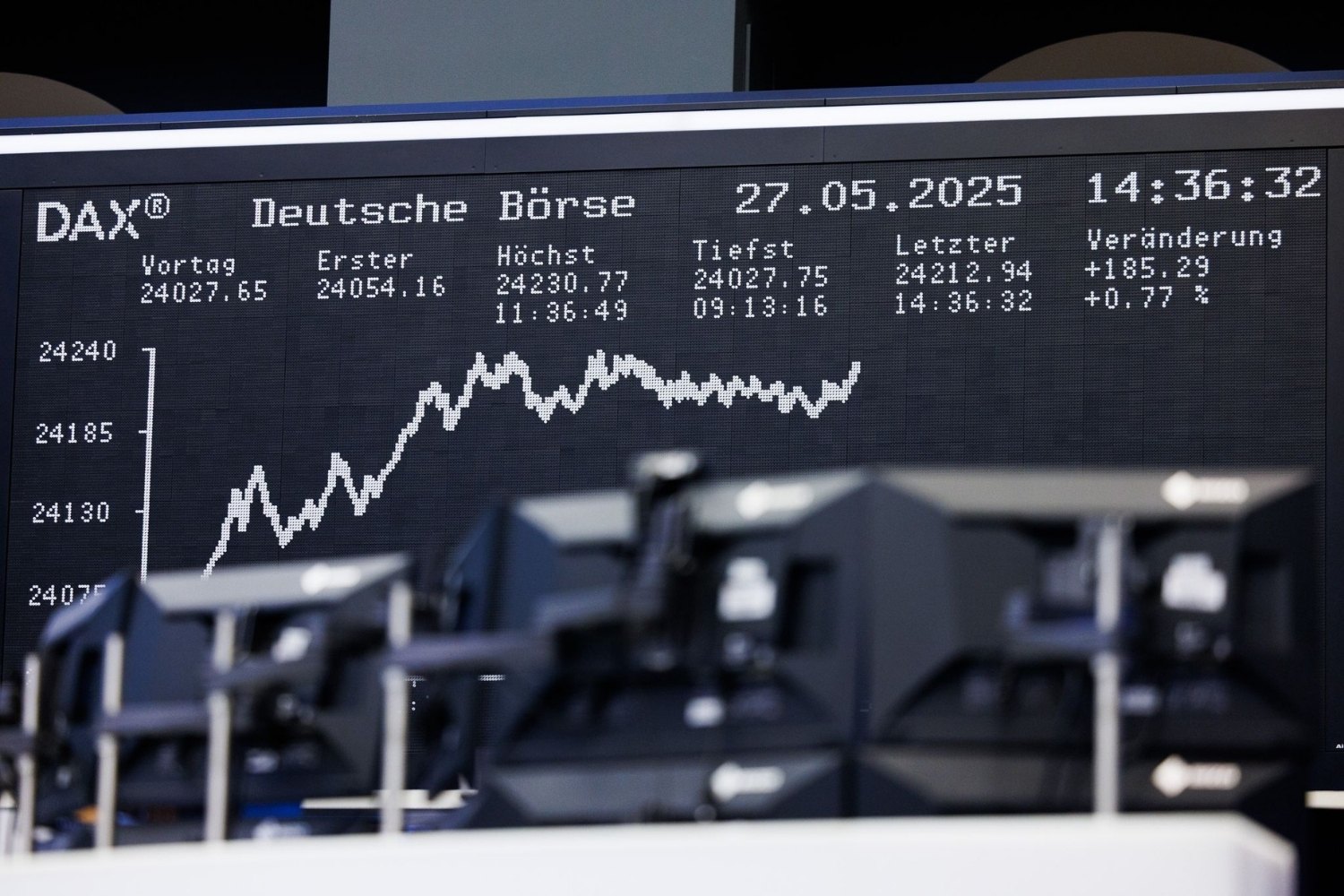
What is the German Stock Market Index? The German Stock Market Index, known as the DAX, represents the 40 largest and most liquid companies listed on the Frankfurt Stock Exchange. It's a key indicator of Germany's economic health and a barometer for European markets. The DAX includes giants like Siemens, Volkswagen, and Adidas, reflecting diverse sectors from automotive to technology. Established in 1988, it has grown to become one of the world's most watched indices. Investors and analysts use it to gauge market trends, economic stability, and investment opportunities. Understanding the DAX offers insights into both the German economy and broader global financial trends.
What is the German Stock Market Index?
The German Stock Market Index, commonly known as the DAX, is a benchmark index representing 40 of the largest and most liquid companies listed on the Frankfurt Stock Exchange. It serves as a barometer for the German economy and is closely watched by investors worldwide.
-
DAX stands for Deutscher Aktienindex. This translates to "German stock index" in English.
-
The DAX was launched on July 1, 1988. It started with a base value of 1,000 points.
-
The index initially had 30 companies. In September 2021, it expanded to include 40 companies.
-
Frankfurt Stock Exchange hosts the DAX. It's one of the world's largest trading centers for securities.
Key Companies in the DAX
The DAX includes some of the most influential companies in Germany, spanning various industries from automotive to pharmaceuticals.
-
Volkswagen is a DAX heavyweight. Known globally for its cars, it's one of the largest automakers.
-
Siemens is another major player. This engineering giant is involved in everything from healthcare to energy.
-
Bayer is a pharmaceutical giant. Known for its healthcare products, it has a significant impact on the index.
-
SAP is a software powerhouse. This company specializes in enterprise software to manage business operations.
How the DAX is Calculated
Understanding how the DAX is calculated can offer insights into its movements and what drives its value.
-
The DAX is a performance index. It includes dividends in its calculation, unlike price indices.
-
It's calculated using Xetra. This electronic trading system ensures transparency and efficiency.
-
The index is reviewed quarterly. Companies can be added or removed based on market capitalization and trading volume.
-
Free-float market capitalization is key. Only shares available for trading are considered in the calculation.
Historical Milestones
The DAX has experienced significant milestones that have shaped its current form.
-
The DAX hit 10,000 points in 2014. This was a major psychological milestone for investors.
-
It reached 15,000 points in 2021. This marked another significant achievement in its history.
-
The financial crisis of 2008 impacted the DAX. It saw a significant drop but eventually recovered.
-
The COVID-19 pandemic caused volatility. The index experienced sharp declines but also rapid recoveries.
Importance of the DAX
The DAX is not just a number; it has real-world implications for investors and the economy.
-
It's a benchmark for German equities. Many funds and ETFs track the DAX.
-
It influences investor sentiment. Movements in the DAX can impact global markets.
-
Economic health indicator. The performance of the DAX often reflects the state of the German economy.
-
It's a tool for policymakers. Economic decisions can be influenced by the index's performance.
Interesting Facts
Here are some lesser-known but fascinating facts about the DAX.
-
The DAX is part of the STOXX family. This includes various indices covering European markets.
-
It has a total return version. Known as the DAX TR, it includes reinvested dividends.
-
The DAX has a volatility index. The VDAX measures the market's expectation of volatility.
-
It includes a sustainability index. The DAX 50 ESG focuses on companies with strong environmental, social, and governance practices.
-
The DAX is a global player. Many of its companies have significant international operations, making it a global economic indicator.
Final Thoughts on the German Stock Market Index
The German Stock Market Index offers a fascinating glimpse into the country's economic health. From its inception in 1988 to its role in reflecting the performance of 30 major companies, the DAX has become a key player in global finance. It's not just numbers and charts; it tells the story of Germany's industrial might and economic resilience.
Understanding the DAX helps investors make informed decisions, whether they're seasoned pros or just starting out. It's a barometer for economic trends, investor sentiment, and market stability.
So, next time you hear about the DAX, you'll know it's more than just a stock index. It's a vital part of the financial world, influencing markets far beyond Germany's borders. Keep an eye on it; you never know what insights it might offer.
Was this page helpful?
Our commitment to delivering trustworthy and engaging content is at the heart of what we do. Each fact on our site is contributed by real users like you, bringing a wealth of diverse insights and information. To ensure the highest standards of accuracy and reliability, our dedicated editors meticulously review each submission. This process guarantees that the facts we share are not only fascinating but also credible. Trust in our commitment to quality and authenticity as you explore and learn with us.