



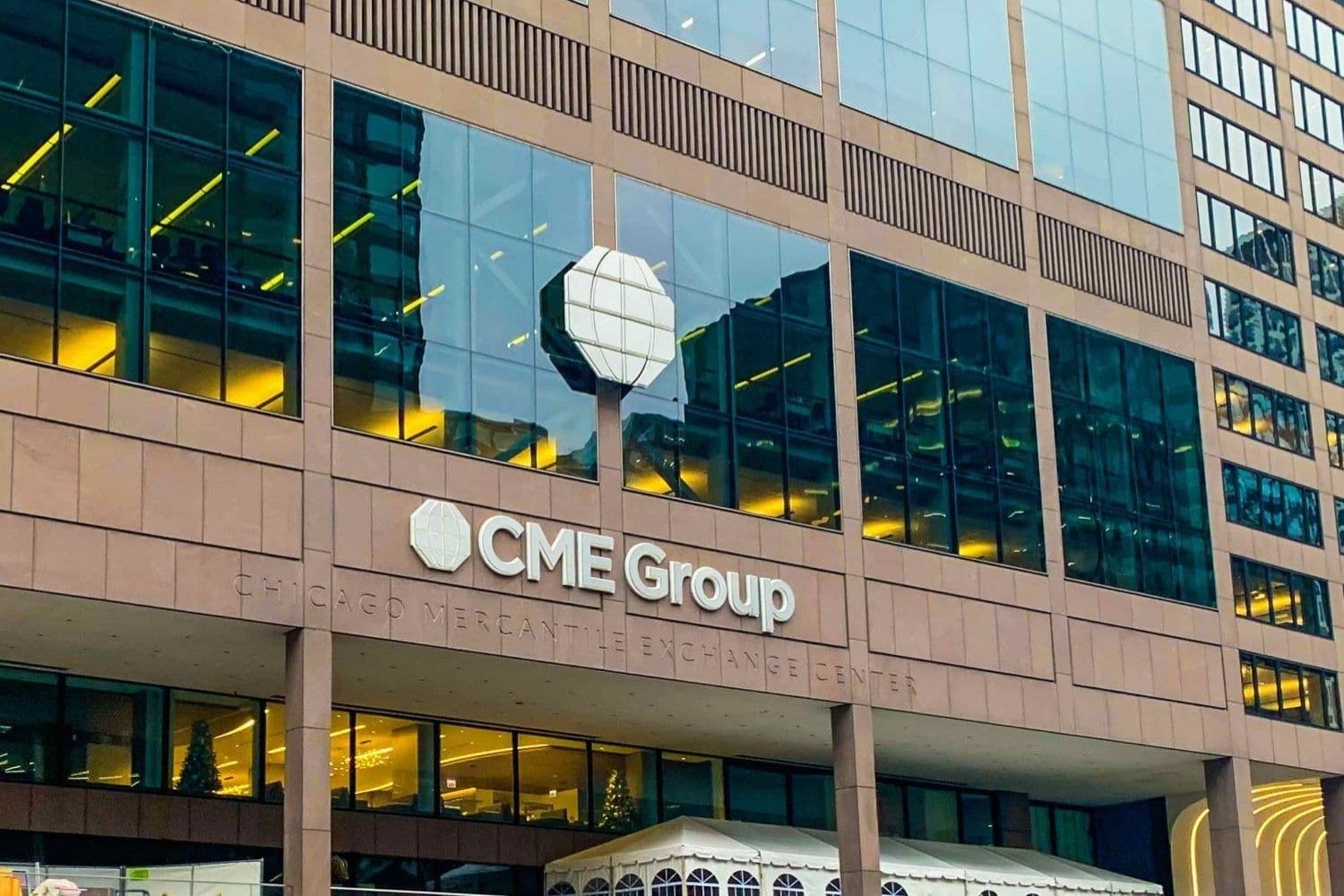
Ever wondered what makes the Chicago Mercantile Exchange (CME) tick? This financial powerhouse is more than just a trading hub. Founded in 1898, CME has evolved into a global leader in derivatives trading. From agricultural products to cryptocurrencies, CME offers a diverse range of financial instruments. But what really sets CME apart? Its innovative approach to risk management and technology. With cutting-edge platforms, CME ensures seamless trading experiences for millions worldwide. Curious about its impact on global markets? CME influences everything from commodity prices to interest rates. Ready to dive deeper? Here are 25 fascinating facts about CME that will give you a comprehensive understanding of its significance.
The Birth of CME
The Chicago Mercantile Exchange (CME) has a rich history that dates back over a century. Let's dive into some fascinating facts about this financial powerhouse.
- Founded in 1898, CME started as the Chicago Butter and Egg Board, focusing on agricultural products.
- In 1919, it was renamed the Chicago Mercantile Exchange to reflect its expanding range of commodities.
Evolution of Trading
CME has evolved significantly over the years, adapting to changes in technology and market demands.
- In 1961, CME introduced frozen pork belly futures, marking its first non-agricultural product.
- By 1972, CME launched the International Monetary Market (IMM), the first financial futures exchange in the world.
- In 1982, CME introduced the S&P 500 futures contract, which became one of the most traded futures contracts globally.
Technological Advancements
CME has always been at the forefront of technological innovation in trading.
- In 1987, CME launched Globex, the first electronic trading platform for futures contracts.
- By 2000, CME had transitioned to a fully electronic trading system, phasing out open outcry trading pits.
- In 2007, CME acquired the Chicago Board of Trade (CBOT), creating the world's largest derivatives exchange.
Global Reach
CME's influence extends far beyond the United States, impacting markets worldwide.
- CME Group, formed in 2007, includes CME, CBOT, NYMEX, and COMEX, offering a wide range of products.
- In 2010, CME opened a European headquarters in London to better serve its international clients.
- By 2012, CME had expanded its presence in Asia, opening an office in Singapore.
Diverse Product Offerings
CME offers a vast array of products, catering to various market needs.
- CME trades in agricultural commodities like corn, wheat, and soybeans.
- Energy products such as crude oil, natural gas, and ethanol are also traded on CME.
- Metals like gold, silver, and copper have futures contracts on CME.
- Financial instruments including interest rates, equity indexes, and foreign exchange are part of CME's offerings.
Risk Management and Clearing
CME plays a crucial role in risk management and clearing for traders and investors.
- CME Clearing ensures the financial integrity of all transactions, reducing counterparty risk.
- In 2015, CME Clearing became the first clearinghouse to receive recognition from the European Securities and Markets Authority (ESMA).
- CME's SPAN (Standard Portfolio Analysis of Risk) system, introduced in 1988, is a widely used margining system.
Market Innovations
CME has introduced several market innovations that have shaped the trading landscape.
- In 2006, CME launched the first-ever weather futures and options contracts.
- Bitcoin futures were introduced by CME in 2017, marking a significant step in cryptocurrency trading.
- In 2020, CME launched Micro E-mini futures, making it easier for individual investors to participate in futures trading.
Educational Initiatives
CME is committed to educating traders and investors about the markets.
- CME Institute offers a range of educational resources, including courses, webinars, and articles.
- In 2013, CME launched the CME Group Trading Challenge, an annual competition for college students worldwide.
Corporate Social Responsibility
CME is dedicated to giving back to the community and promoting sustainability.
- CME Group Foundation supports education initiatives, particularly in STEM (Science, Technology, Engineering, and Mathematics).
- In 2019, CME Group committed to reducing its carbon footprint by implementing energy-efficient practices and supporting renewable energy projects.
CME's Impact on Global Markets
CME has shaped global finance in ways few institutions can claim. From its humble beginnings as a butter and egg exchange, it has grown into a powerhouse of financial innovation. Futures contracts, options, and derivatives traded here influence markets worldwide. The exchange's role in providing liquidity and risk management tools is indispensable for investors and businesses alike.
Its commitment to technology and transparency ensures it stays ahead in a rapidly changing financial landscape. With a diverse range of products, CME caters to various sectors, including agriculture, energy, and metals. This versatility makes it a crucial player in global trade.
Understanding CME's history and functions gives insight into how modern markets operate. Its influence extends beyond trading floors, impacting economies and everyday lives. CME isn't just a marketplace; it's a cornerstone of global finance.
Was this page helpful?
Our commitment to delivering trustworthy and engaging content is at the heart of what we do. Each fact on our site is contributed by real users like you, bringing a wealth of diverse insights and information. To ensure the highest standards of accuracy and reliability, our dedicated editors meticulously review each submission. This process guarantees that the facts we share are not only fascinating but also credible. Trust in our commitment to quality and authenticity as you explore and learn with us.