



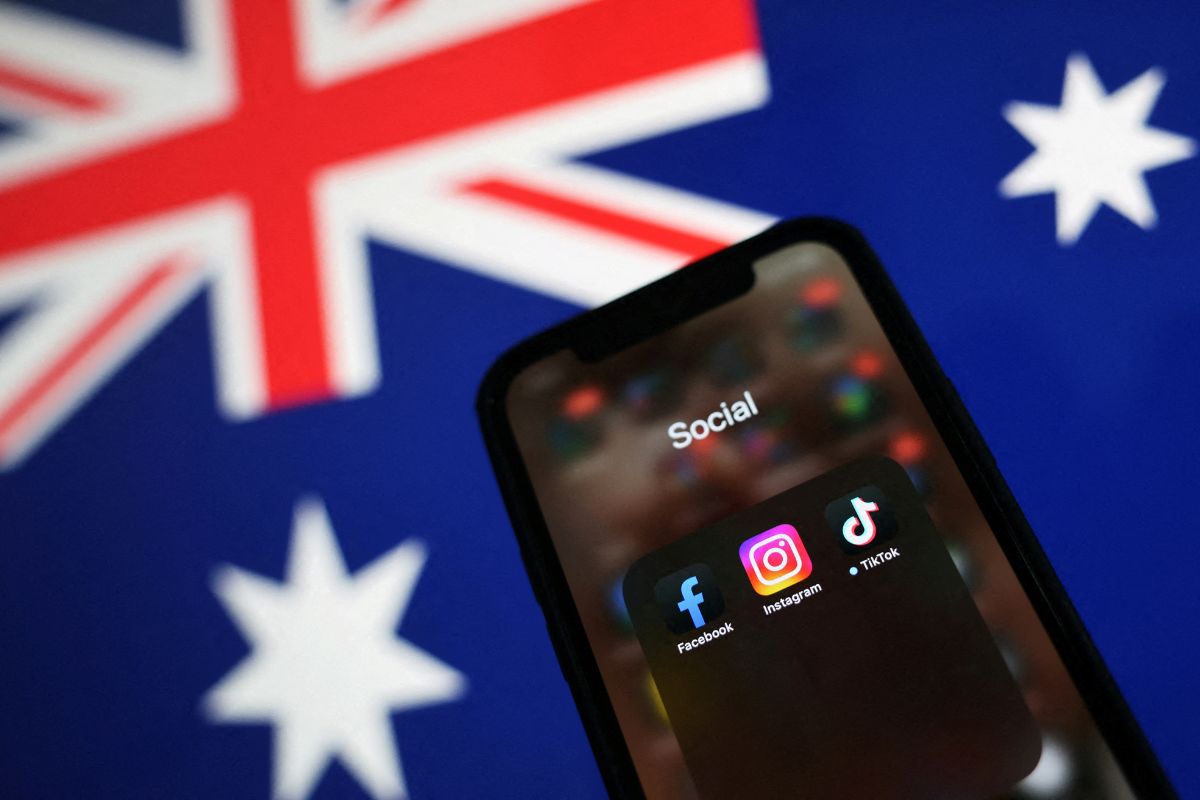
Why did Australia ban social media? Australia’s social media ban stemmed from concerns over misinformation, privacy breaches, and harmful content. The government aimed to protect citizens from online dangers and ensure platforms took responsibility for what users posted. The ban targeted platforms like Facebook and Twitter, pushing them to implement stricter content moderation. Australia wanted to create a safer digital environment, especially for younger users. This move sparked debates about free speech and the role of government in regulating online spaces. Understanding the reasons behind this decision helps grasp the balance between safety and freedom in the digital age.
Australia's Social Media Landscape
Australia's social media landscape has undergone significant changes in recent years. From government regulations to user behavior, several factors have shaped how Australians interact online. Here are some intriguing facts about Australia's social media ban and its broader implications.
-
Australia's News Media Bargaining Code: This law requires tech giants like Facebook and Google to pay Australian news publishers for content. It aims to support local journalism.
-
Facebook's Temporary News Ban: In response to the code, Facebook temporarily blocked Australian news content in February 2021. This action affected millions of users.
-
Google's Response: Unlike Facebook, Google struck deals with Australian news publishers to comply with the new law. They agreed to pay for content to avoid a ban.
-
Impact on News Consumption: The Facebook news ban led to a 13% drop in overall news consumption in Australia. Many users turned to other sources for information.
-
Government's Stance: The Australian government argued that the law was necessary to ensure fair compensation for news content. They believed tech giants were profiting unfairly from journalism.
Public Reaction and Adaptation
The public's reaction to these changes varied. Some supported the government's stance, while others were frustrated by the sudden loss of news access on social media platforms.
-
Public Support: Many Australians supported the government's efforts to regulate tech giants. They believed it was a step towards fairer media practices.
-
Frustration and Confusion: The sudden news ban on Facebook left many users confused and frustrated. They had to find alternative ways to access news.
-
Shift to Other Platforms: With Facebook's news ban, many Australians turned to other social media platforms like Twitter and LinkedIn for news updates.
-
Increased Use of News Apps: News apps saw a surge in downloads as users sought reliable sources for news. Apps like ABC News and The Guardian gained popularity.
-
Rise of Independent Media: Independent media outlets saw increased traffic as users looked for alternative news sources. This shift highlighted the importance of diverse media voices.
Broader Implications and Future Outlook
The social media ban in Australia has broader implications for the global digital landscape. It raises questions about the power dynamics between tech giants and governments.
-
Global Precedent: Australia's law set a global precedent. Other countries are considering similar regulations to ensure fair compensation for news content.
-
Tech Giants' Influence: The incident highlighted the immense influence tech giants have over information dissemination. It sparked debates about their role in society.
-
Media Sustainability: The law aims to create a sustainable model for journalism. By ensuring fair compensation, it supports the financial viability of news organizations.
-
User Behavior Changes: The ban led to changes in user behavior. Australians became more aware of their news consumption habits and sought diverse sources.
-
Potential for Future Bans: The incident raises the possibility of future social media bans. Governments worldwide may take similar actions to regulate tech giants.
Legal and Ethical Considerations
The social media ban also brings up legal and ethical considerations. It challenges the balance between regulation and freedom of information.
-
Freedom of Information: Critics argue that the ban restricts freedom of information. They believe users should have unrestricted access to news content.
-
Regulation vs. Censorship: The line between regulation and censorship is thin. The ban sparked debates about whether it was a necessary regulation or an act of censorship.
-
Ethical Journalism: The law emphasizes the importance of ethical journalism. It aims to ensure that news organizations are fairly compensated for their work.
-
Transparency: Transparency in how tech giants operate is crucial. The incident highlighted the need for clearer policies and practices.
-
Legal Challenges: The law faced legal challenges from tech giants. They argued that it was unfair and could set a dangerous precedent.
Technological and Economic Impact
The social media ban also had technological and economic impacts. It affected how tech companies operate and their financial models.
-
Tech Companies' Financial Models: The law forced tech companies to rethink their financial models. They had to find ways to compensate news publishers fairly.
-
Innovation in News Delivery: The ban spurred innovation in news delivery. Tech companies explored new ways to deliver news content to users.
-
Economic Impact on News Organizations: The law had a positive economic impact on news organizations. They received fair compensation for their content, supporting their financial stability.
-
Technological Adaptations: Tech companies had to adapt their technologies to comply with the law. This included developing new algorithms and payment systems.
-
Long-term Economic Effects: The long-term economic effects of the ban are still unfolding. It could lead to more sustainable financial models for news organizations and tech companies.
Final Thoughts on Australia's Social Media Ban
Australia's social media ban has sparked a lot of debate and raised many questions. The ban aims to curb the spread of misinformation and protect users, but it also brings challenges like limiting free speech and affecting businesses. Understanding the reasons behind the ban and its impact can help us navigate this complex issue better.
While some see it as a necessary step to ensure online safety, others view it as an overreach. The balance between regulation and freedom is delicate. As the world watches Australia's approach, it could set a precedent for other countries.
Staying informed and engaged in these discussions is crucial. Whether you agree with the ban or not, it's clear that the digital landscape is changing, and we all have a role in shaping its future.
Was this page helpful?
Our commitment to delivering trustworthy and engaging content is at the heart of what we do. Each fact on our site is contributed by real users like you, bringing a wealth of diverse insights and information. To ensure the highest standards of accuracy and reliability, our dedicated editors meticulously review each submission. This process guarantees that the facts we share are not only fascinating but also credible. Trust in our commitment to quality and authenticity as you explore and learn with us.