
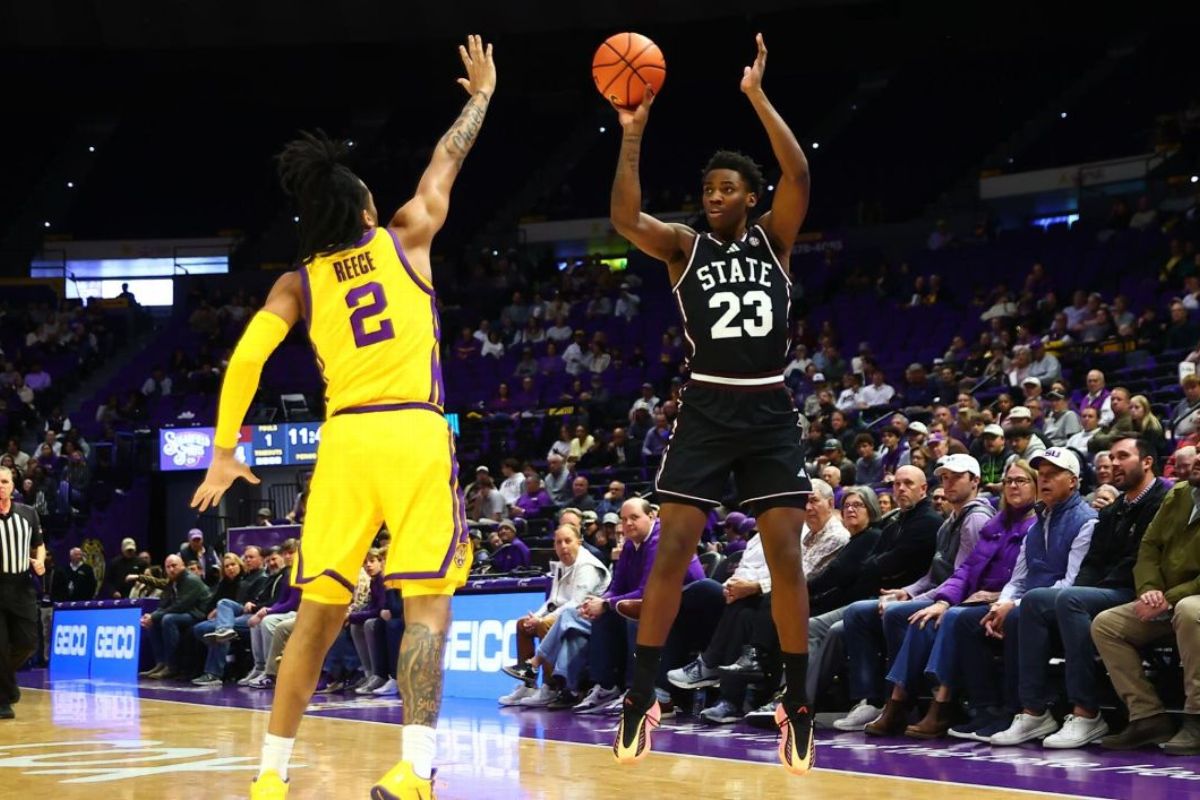



What is the transfer portal? The transfer portal is a digital tool used by college athletes to explore opportunities at other schools. It allows players to enter their names into a database, signaling their intent to transfer. Coaches from other institutions can then contact these athletes, offering them a chance to join their programs. This system has revolutionized college sports, making it easier for athletes to find new teams and for coaches to scout talent. However, it also brings challenges, such as increased competition and the need for athletes to adapt quickly to new environments. Understanding the transfer portal is crucial for anyone involved in college athletics.
What is the Transfer Portal?
The Transfer Portal is a system that allows college athletes to transfer from one school to another. It has revolutionized college sports, making it easier for athletes to find new opportunities. Here are some fascinating facts about the Transfer Portal.
-
The Transfer Portal was introduced by the NCAA in October 2018 to streamline the transfer process for student-athletes.
-
Before the Transfer Portal, athletes had to get permission from their current school to contact other schools about transferring.
-
The portal provides a database where athletes can enter their information and schools can reach out to them.
-
Over 1,000 athletes entered the Transfer Portal within the first year of its launch.
-
The portal covers all NCAA sports, from football and basketball to swimming and gymnastics.
How Does the Transfer Portal Work?
Understanding the mechanics of the Transfer Portal can help demystify its impact on college sports. Here’s a closer look at how it operates.
-
Athletes must notify their current school’s compliance office to enter the Transfer Portal.
-
Once in the portal, athletes can be contacted by coaches from other schools.
-
Athletes can withdraw from the portal at any time if they decide to stay at their current school.
-
Entering the portal does not guarantee a transfer; athletes must still be accepted by the new school.
-
Schools have 48 hours to enter an athlete’s name into the portal after being notified.
Impact on College Sports
The Transfer Portal has had significant effects on college sports, altering team dynamics and recruitment strategies.
-
The portal has increased player mobility, allowing athletes to find better fits for their skills and goals.
-
Coaches now have to recruit not only high school athletes but also current college players.
-
Some teams have seen a high turnover rate, with multiple players entering and leaving through the portal.
-
The portal has led to more competitive balance, as athletes can move to schools where they have better opportunities to play.
-
Critics argue that the portal can disrupt team chemistry and make it harder for coaches to build long-term programs.
Benefits for Athletes
The Transfer Portal offers numerous advantages for student-athletes, providing them with more control over their athletic and academic careers.
-
Athletes can transfer without sitting out a year if they meet certain criteria, such as being a graduate transfer.
-
The portal allows athletes to explore options without fear of retribution from their current school.
-
It provides a second chance for athletes who may not have been heavily recruited out of high school.
-
Athletes can find programs that better match their academic interests and career goals.
-
The portal can help athletes escape toxic or unhealthy team environments.
Challenges and Criticisms
While the Transfer Portal has many benefits, it also faces criticism and presents challenges for both athletes and schools.
-
Some argue that the portal encourages a "free agency" mentality, undermining the traditional college sports model.
-
The increased movement of athletes can make it difficult for teams to maintain continuity and cohesion.
-
Smaller schools may struggle to retain top talent, as athletes transfer to larger programs with more resources.
-
The portal can create uncertainty for athletes, as there is no guarantee they will find a new team.
-
Critics worry that the portal may prioritize athletic success over academic achievement, as athletes focus on finding the best sports opportunities.
Final Thoughts on the Transfer Portal
The transfer portal has revolutionized college sports, offering athletes more freedom and flexibility. It’s changed how teams recruit, making the process more dynamic and competitive. Athletes can now find better fits for their skills and goals, leading to more balanced and exciting competitions. However, it also brings challenges like increased pressure on coaches and potential instability for teams. Understanding the ins and outs of the transfer portal is crucial for anyone involved in college sports. It’s a game-changer that’s here to stay, shaping the future of athletics in ways we’re just beginning to see. Whether you’re a coach, player, or fan, staying informed about these changes will help you navigate this new landscape. The transfer portal is more than just a tool; it’s a pivotal part of modern college sports.
Was this page helpful?
Our commitment to delivering trustworthy and engaging content is at the heart of what we do. Each fact on our site is contributed by real users like you, bringing a wealth of diverse insights and information. To ensure the highest standards of accuracy and reliability, our dedicated editors meticulously review each submission. This process guarantees that the facts we share are not only fascinating but also credible. Trust in our commitment to quality and authenticity as you explore and learn with us.