



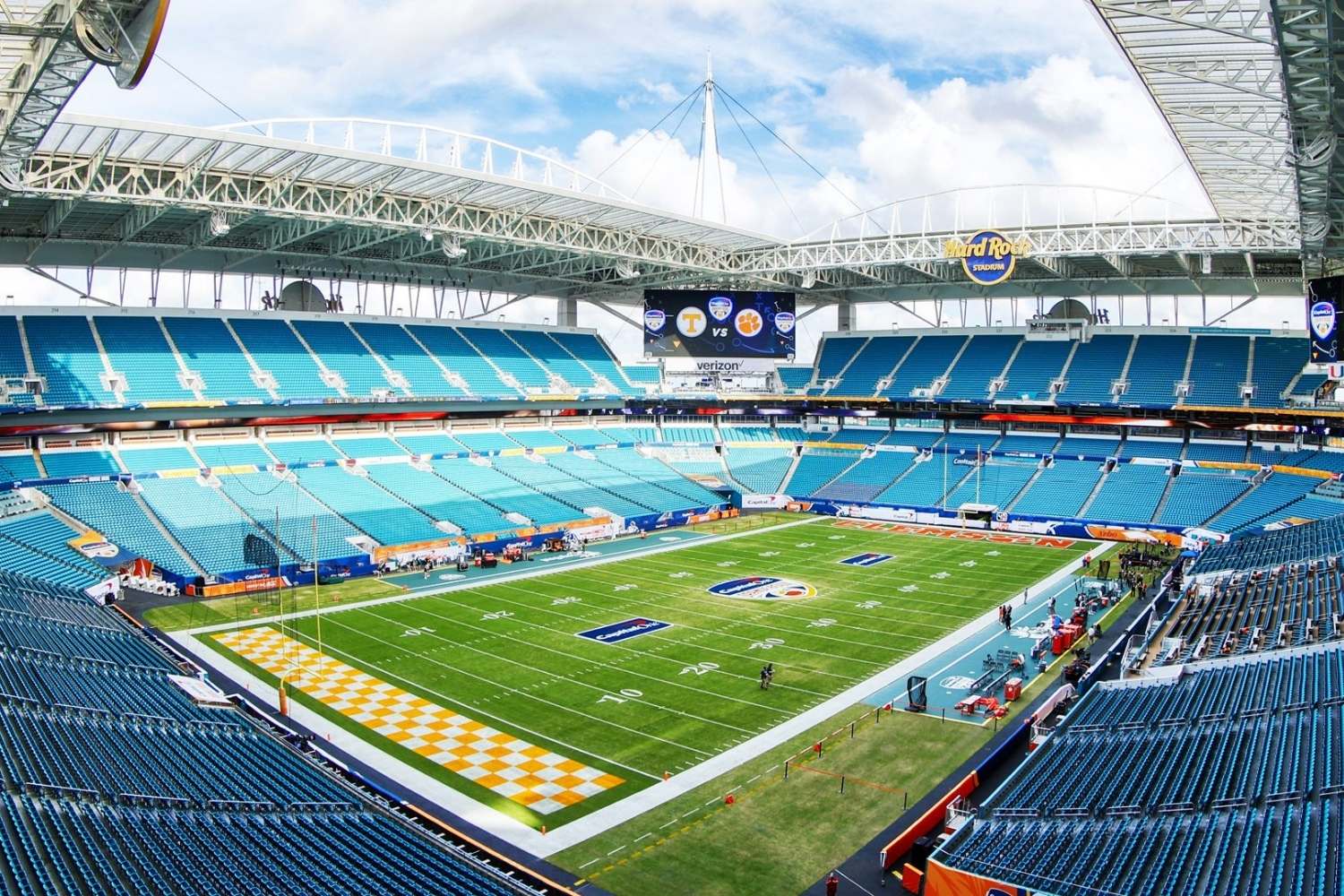
What is the Orange Bowl? The Orange Bowl is one of the most iconic college football bowl games in the United States. Held annually in Miami, Florida, this event has a rich history dating back to 1935. It’s not just a game; it’s a celebration of sportsmanship, tradition, and community. Over the years, the Orange Bowl has hosted numerous thrilling matchups, featuring some of the best teams in college football. From legendary players to unforgettable moments, the Orange Bowl has it all. Whether you’re a die-hard football fan or just curious about this historic event, these 25 facts will give you a deeper appreciation for the Orange Bowl.
The Birth of the Orange Bowl
The Orange Bowl is one of the most iconic college football games in the United States. It has a rich history filled with memorable moments and fascinating facts. Let's dive into some of the most intriguing details about this legendary event.
-
The Orange Bowl was first played on January 1, 1935, making it one of the oldest bowl games in college football history.
-
The game was originally created to help promote tourism in Miami, Florida, during the Great Depression.
-
The first Orange Bowl featured the Miami Hurricanes against the Manhattan College Jaspers, with Miami winning 7-0.
Memorable Moments and Records
Over the years, the Orange Bowl has seen some unforgettable games and record-breaking performances. Here are some highlights:
-
In 1946, the Orange Bowl hosted its first night game, a tradition that continues to this day.
-
The 1984 Orange Bowl is famous for the "Nebraska vs. Miami" game, where Miami won 31-30, securing their first national championship.
-
The highest-scoring Orange Bowl game occurred in 2012 when West Virginia defeated Clemson 70-33.
The Orange Bowl Parade
The Orange Bowl isn't just about football. It also features a vibrant parade that adds to the festive atmosphere.
-
The first Orange Bowl Parade took place in 1936, just one year after the inaugural game.
-
The parade was initially called the "King Orange Jamboree Parade" and featured floats, marching bands, and celebrities.
-
The parade was discontinued in 2002 due to rising costs and logistical challenges.
The Orange Bowl Stadiums
The Orange Bowl has been played in several different stadiums over the years. Each venue has its own unique history.
-
The original Orange Bowl stadium, known as Burdine Stadium, opened in 1937 and was later renamed the Miami Orange Bowl.
-
In 1996, the game moved to its current location, Hard Rock Stadium, which is also home to the Miami Dolphins.
-
Hard Rock Stadium underwent a $500 million renovation in 2015, enhancing the fan experience with modern amenities.
Notable Players and Coaches
Many legendary players and coaches have graced the Orange Bowl, leaving a lasting impact on college football.
-
Joe Namath, a future NFL Hall of Famer, played in the 1965 Orange Bowl for the Alabama Crimson Tide.
-
Bobby Bowden, one of the most successful coaches in college football history, led Florida State to multiple Orange Bowl victories.
-
Heisman Trophy winners like Tim Tebow and Jameis Winston have also showcased their talents in the Orange Bowl.
The Orange Bowl Committee
The Orange Bowl Committee plays a crucial role in organizing and promoting the event. Their efforts ensure the game's continued success.
-
The committee was founded in 1935, the same year as the first game, to oversee all aspects of the event.
-
The committee is responsible for selecting the teams that will compete in the game, a process that has evolved over the years.
-
They also organize various community events and charitable activities throughout the year.
The Orange Bowl and the College Football Playoff
The Orange Bowl has become an integral part of the College Football Playoff (CFP) system, adding even more excitement to the game.
-
Since 2014, the Orange Bowl has been one of the six major bowl games that rotate hosting the CFP semifinals.
-
The game is typically played on either December 31 or January 1, depending on the CFP schedule.
-
The Orange Bowl has hosted the CFP semifinal three times: in 2015, 2018, and 2021.
The Orange Bowl's Impact on Miami
The Orange Bowl has had a significant impact on the city of Miami, both economically and culturally.
-
The game attracts thousands of visitors to Miami each year, boosting the local economy through tourism and hospitality.
-
The Orange Bowl has also helped put Miami on the map as a major sports destination, alongside events like the Super Bowl and the Miami Open.
-
The game has inspired local youth through various community programs and scholarships funded by the Orange Bowl Committee.
Fun Facts
Here are some fun and lesser-known facts about the Orange Bowl that add to its charm and mystique.
- The Orange Bowl trophy features a crystal football atop a base filled with real oranges, symbolizing Florida's famous citrus industry.
The Orange Bowl's Legacy
The Orange Bowl isn't just a football game; it's a celebration of tradition, competition, and community. From its humble beginnings in 1935, it has grown into one of the most anticipated events in college football. The game has seen legendary players, unforgettable moments, and has played a significant role in shaping the sport's history. Beyond the field, the Orange Bowl has contributed to local economies, supported charitable causes, and brought fans together from all over the country. Whether you're a die-hard football fan or just love a good story, the Orange Bowl offers something for everyone. Its rich history and ongoing impact make it a cornerstone of American sports culture. So next time you tune in, remember you're witnessing a piece of history in the making. The Orange Bowl truly stands as a testament to the enduring spirit of college football.
Was this page helpful?
Our commitment to delivering trustworthy and engaging content is at the heart of what we do. Each fact on our site is contributed by real users like you, bringing a wealth of diverse insights and information. To ensure the highest standards of accuracy and reliability, our dedicated editors meticulously review each submission. This process guarantees that the facts we share are not only fascinating but also credible. Trust in our commitment to quality and authenticity as you explore and learn with us.