
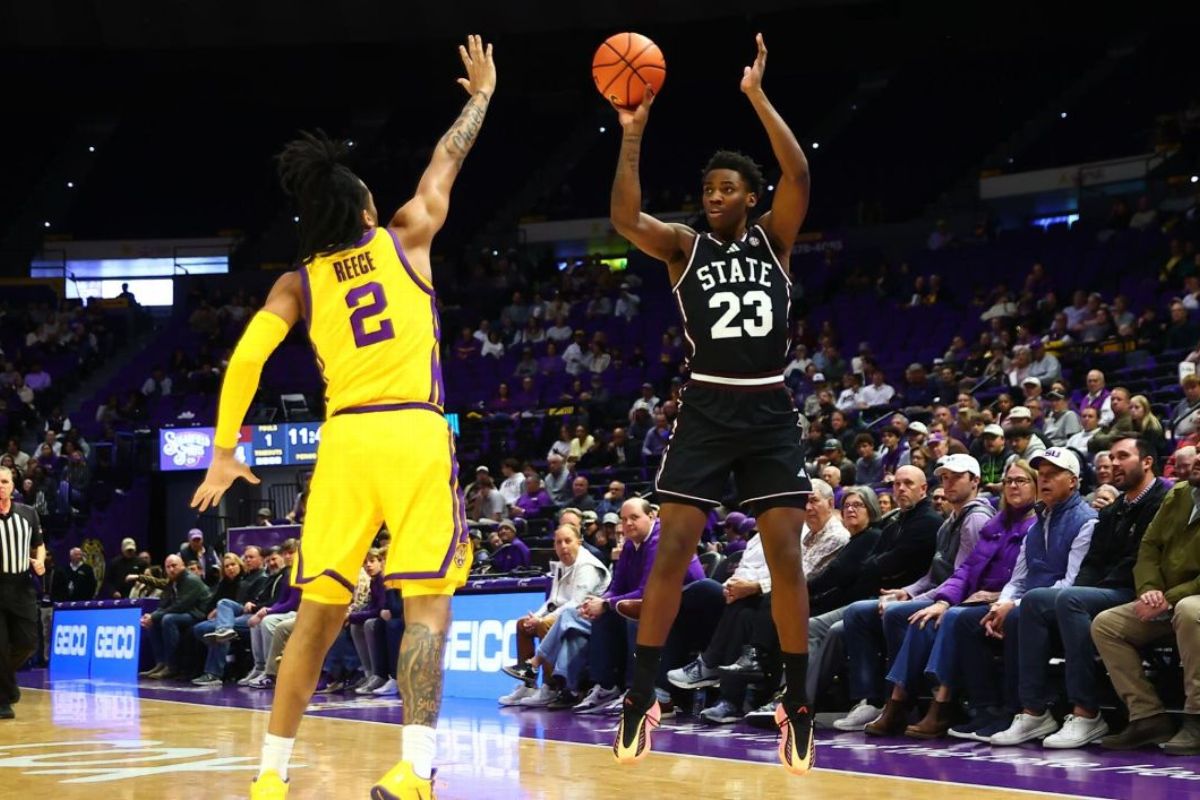



Is football safe? This question often sparks debates among fans, parents, and players. Football safety has become a hot topic due to concerns about injuries, especially concussions. While the sport is thrilling, it's crucial to understand the measures taken to protect athletes. From advanced helmet technology to strict rules on tackling, football has evolved to prioritize player safety. Coaches and leagues emphasize proper techniques and awareness to minimize risks. Knowing the facts about football safety can help you appreciate the sport while staying informed about its potential dangers. Let's dive into 25 essential facts that highlight the efforts to make football safer for everyone involved.
Safety Gear
Football is a high-impact sport, making safety gear essential for players. Here are some key facts about the equipment designed to keep athletes safe.
- Helmets are crucial in preventing head injuries. Modern helmets are designed with advanced padding and shock-absorbing materials to reduce the risk of concussions.
- Mouthguards protect teeth and reduce the risk of jaw injuries. They also help in preventing concussions by absorbing shock.
- Shoulder pads are made from hard plastic and foam to protect the shoulders, chest, and ribs from impact.
- Knee and thigh pads are essential for protecting the lower body from collisions and falls.
- Gloves improve grip and protect hands from injuries. They are especially important for receivers and linemen.
Rule Changes
Football has evolved over the years, with many rule changes aimed at improving player safety. These changes have made the game safer for everyone involved.
- Targeting penalties were introduced to penalize players who make dangerous hits to the head or neck area.
- Kickoff rules have been modified to reduce high-speed collisions, including moving the kickoff line and touchback incentives.
- Horse-collar tackles are now illegal, as they often result in severe injuries to the tackled player.
- Blindside blocks are banned to protect players from unexpected, high-impact hits.
- Concussion protocols require players to be evaluated and cleared by medical professionals before returning to play.
Training and Education
Proper training and education are vital in preventing injuries and ensuring that players understand how to play safely.
- Coaches are required to undergo safety training to recognize and prevent injuries.
- Players receive education on proper tackling techniques to minimize the risk of injury.
- Heat acclimatization guidelines help prevent heat-related illnesses during practice and games.
- Hydration protocols ensure players stay hydrated, reducing the risk of cramps and heatstroke.
- Strength and conditioning programs are designed to improve players' physical fitness, making them less susceptible to injuries.
Medical Support
Having medical support readily available during games and practices is crucial for addressing injuries promptly and effectively.
- Athletic trainers are present at games and practices to provide immediate medical care.
- Team physicians work closely with trainers to manage injuries and oversee player health.
- Emergency action plans are in place to ensure a quick response to serious injuries.
- Defibrillators are available at all games and practices to address cardiac emergencies.
- Injury surveillance systems track and analyze injury data to identify trends and improve safety measures.
Technological Advances
Technology has played a significant role in enhancing football safety, from equipment design to injury monitoring.
- Helmet sensors can detect impacts and alert medical staff to potential concussions.
- Wearable technology monitors players' physical conditions, helping to prevent overexertion and injuries.
- Video analysis allows coaches to review plays and identify dangerous techniques or situations.
- Virtual reality training helps players practice safely by simulating game scenarios without physical contact.
- Advanced imaging techniques like MRI and CT scans provide detailed information about injuries, aiding in accurate diagnosis and treatment.
Staying Safe on the Field
Football's a thrilling sport, but safety's crucial. Knowing the risks and how to prevent injuries can make all the difference. Proper gear, like helmets and pads, is essential. Coaches and players should focus on techniques that minimize harm, such as safe tackling. Regular training and conditioning help keep players in top shape, reducing the chance of injuries. Awareness of concussion symptoms and protocols ensures quick and effective responses. Hydration and proper nutrition also play vital roles in maintaining player health. Parents, coaches, and players must work together to create a safe environment. By staying informed and proactive, everyone can enjoy the game while minimizing risks. Football's excitement doesn't have to come at the cost of safety. Let's keep the game fun and safe for all.
Was this page helpful?
Our commitment to delivering trustworthy and engaging content is at the heart of what we do. Each fact on our site is contributed by real users like you, bringing a wealth of diverse insights and information. To ensure the highest standards of accuracy and reliability, our dedicated editors meticulously review each submission. This process guarantees that the facts we share are not only fascinating but also credible. Trust in our commitment to quality and authenticity as you explore and learn with us.