



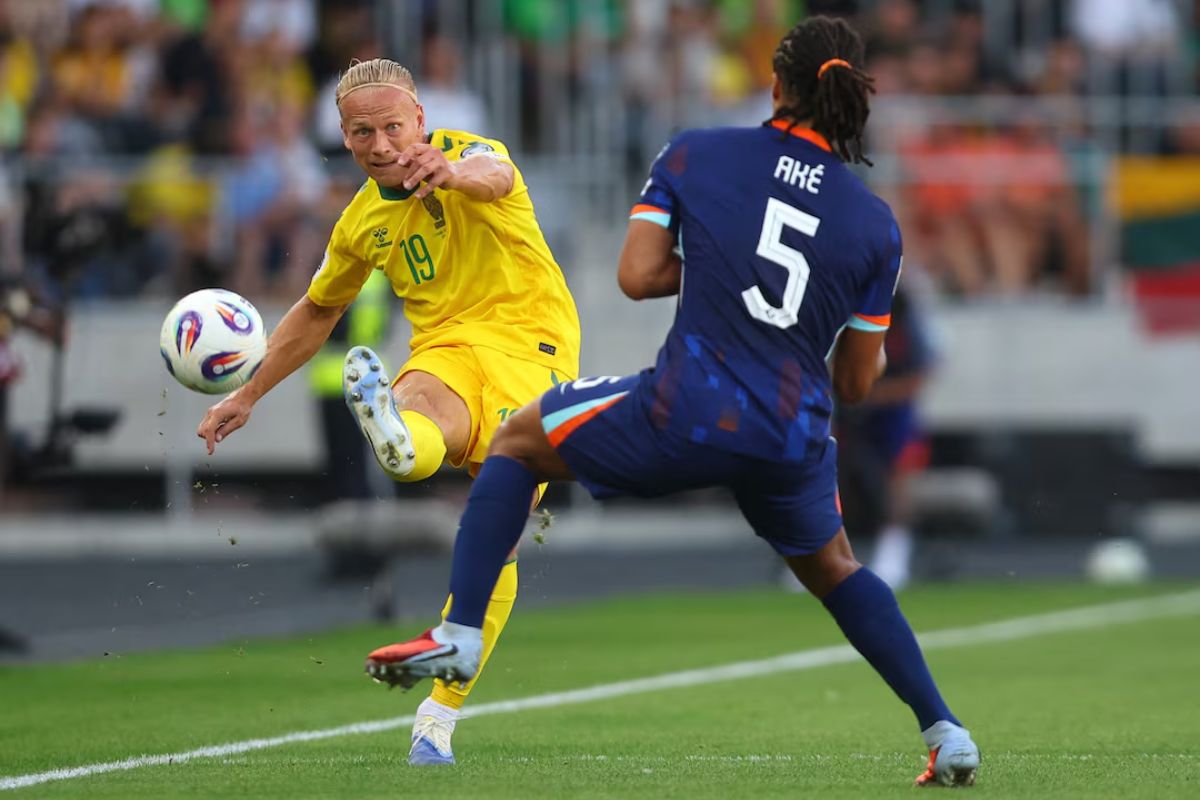
Ever wondered how the Netherlands and Lithuania stack up against each other? Both countries have rich histories, unique cultures, and fascinating landscapes. The Netherlands, known for its iconic windmills, tulip fields, and canals, contrasts sharply with Lithuania's medieval castles, lush forests, and amber shores. While the Dutch are famous for their liberal policies and cycling culture, Lithuanians take pride in their folk traditions and basketball prowess. Which country has the higher population? Who boasts the larger land area? What about their economies, languages, and cuisines? Dive into these 25 intriguing facts to uncover the differences and similarities between the Netherlands and Lithuania. Whether you're a geography buff or just curious, this comparison will surely pique your interest.
Geography and Landscape
The Netherlands and Lithuania, while both European countries, have distinct geographical features and landscapes that set them apart.
- The Netherlands is famously flat, with about 26% of its land below sea level. This has led to the creation of an extensive system of dikes and canals to manage water levels.
- Lithuania, on the other hand, is characterized by its rolling hills and numerous lakes. It has over 3,000 lakes, making it a picturesque country with lush greenery.
- The highest point in the Netherlands is the Vaalserberg, standing at just 322.7 meters (1,059 feet) above sea level.
- Lithuania's highest point is Aukštojas Hill, which reaches 294 meters (965 feet) above sea level, slightly lower than the Vaalserberg but still significant in its own right.
History and Culture
Both countries have rich histories and vibrant cultures that reflect their unique pasts.
- The Netherlands was one of the first countries to legalize same-sex marriage in 2001, showcasing its progressive stance on social issues.
- Lithuania was the last country in Europe to convert to Christianity in 1387, which has influenced its cultural and religious landscape.
- The Dutch Golden Age in the 17th century was a period of great wealth and cultural achievement, with famous artists like Rembrandt and Vermeer.
- Lithuania has a strong tradition of folk music and dance, with the Dainų Šventė (Song Festival) being a UNESCO-recognized cultural event.
Language and Population
Language and population dynamics offer another layer of comparison between these two nations.
- Dutch is the official language of the Netherlands, spoken by nearly all of its 17 million residents.
- Lithuanian is one of the oldest languages in the world, still spoken by about 3 million people in Lithuania. It belongs to the Baltic language group.
- The Netherlands is one of the most densely populated countries in Europe, with around 500 people per square kilometer.
- Lithuania, in contrast, has a much lower population density, with about 43 people per square kilometer.
Economy and Innovation
Economic strength and innovation are key areas where the Netherlands and Lithuania differ significantly.
- The Netherlands has a highly developed economy, ranking as the 17th largest in the world by GDP.
- Lithuania's economy is smaller but growing rapidly, with a focus on technology and innovation. It is often referred to as the "Baltic Tiger."
- The Port of Rotterdam in the Netherlands is the largest port in Europe, serving as a major hub for international trade.
- Lithuania is a leader in fintech innovation, with Vilnius being a hotspot for startups and tech companies.
Education and Research
Education systems and research capabilities highlight the intellectual strengths of both countries.
- The Netherlands is home to some of the world's top universities, including the University of Amsterdam and Delft University of Technology.
- Lithuania boasts Vilnius University, one of the oldest universities in Eastern Europe, founded in 1579.
- Dutch students consistently rank high in international education assessments, particularly in mathematics and science.
- Lithuania has a strong emphasis on higher education, with a high percentage of its population holding university degrees.
Lifestyle and Tourism
The lifestyle and tourism sectors in the Netherlands and Lithuania offer unique experiences for visitors and residents alike.
- Bicycles are a staple of Dutch life, with more bikes than people in the country. Cycling is a primary mode of transportation.
- Lithuania is known for its beautiful castles, such as Trakai Island Castle, which attract many tourists each year.
- The Netherlands is famous for its tulip fields, particularly in the Keukenhof Gardens, which draw millions of visitors annually.
- Lithuania's Curonian Spit, a UNESCO World Heritage site, is a unique natural wonder with sand dunes and pine forests.
- Dutch cuisine includes iconic foods like stroopwafels and herring, while Lithuanian cuisine features dishes like cepelinai (potato dumplings) and šaltibarščiai (cold beet soup).
Final Thoughts on Netherlands vs. Lithuania
Netherlands and Lithuania, though both European, offer distinct experiences. The Netherlands, famous for its tulip fields, windmills, and canals, is a hub of art, culture, and innovation. Its bicycle-friendly cities and progressive policies make it a unique destination. On the other hand, Lithuania, with its rich history, medieval castles, and lush forests, provides a more traditional and nature-oriented experience. The Baltic country's folklore and festivals add a unique charm. Both nations have their own culinary delights, from Dutch stroopwafels to Lithuanian cepelinai. Whether you're drawn to the modernity of the Netherlands or the historical allure of Lithuania, each offers something special. So, whether you're planning a trip or just curious, both countries are worth exploring.
Was this page helpful?
Our commitment to delivering trustworthy and engaging content is at the heart of what we do. Each fact on our site is contributed by real users like you, bringing a wealth of diverse insights and information. To ensure the highest standards of accuracy and reliability, our dedicated editors meticulously review each submission. This process guarantees that the facts we share are not only fascinating but also credible. Trust in our commitment to quality and authenticity as you explore and learn with us.