



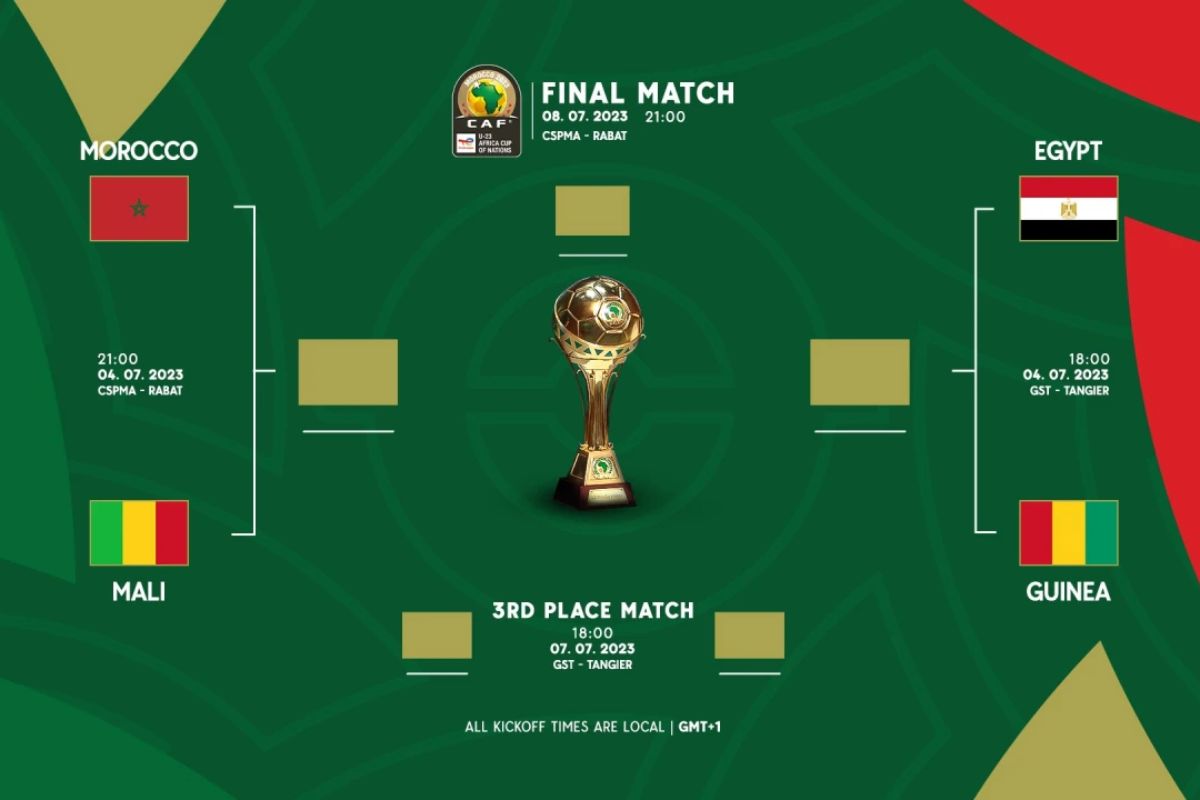
What makes the Africa Cup of Nations (AFCON) so special? The Africa Cup of Nations is more than just a soccer tournament; it's a celebration of culture, passion, and unity. Held every two years, AFCON brings together the best teams from across the continent, showcasing incredible talent and fierce competition. From its inception in 1957 with just three teams to now featuring 24, the tournament has grown exponentially. Legendary players like Samuel Eto'o and Didier Drogba have graced its fields, creating unforgettable moments. Whether you're a die-hard soccer fan or new to the sport, AFCON offers thrilling matches, rich history, and a glimpse into the heart of African pride.
The Origins of the Africa Cup of Nations
The Africa Cup of Nations (AFCON) is a prestigious football tournament that showcases the best teams from across the African continent. Here are some fascinating facts about its origins and early years.
-
First Tournament: The inaugural AFCON took place in 1957. Only three teams participated: Egypt, Sudan, and Ethiopia.
-
Founding Nations: Egypt, Sudan, and Ethiopia were the founding members of the Confederation of African Football (CAF), which organized the first AFCON.
-
First Champion: Egypt won the first AFCON, defeating Ethiopia 4-0 in the final match.
-
Frequency: Initially, the tournament was held every two years. This biennial tradition continues today.
Memorable Moments in AFCON History
AFCON has seen many unforgettable moments that have left a lasting impact on fans and players alike. Let's explore some of these highlights.
-
Zaire's Triumph: In 1974, Zaire (now the Democratic Republic of Congo) became the first sub-Saharan team to win AFCON.
-
Roger Milla's Dance: Cameroonian striker Roger Milla became famous for his goal celebrations during the 1990 and 1994 World Cups, but his iconic dance started at AFCON 1988.
-
Bafana Bafana's Victory: South Africa's national team, Bafana Bafana, won their first AFCON in 1996, just four years after being readmitted to international football.
-
Egypt's Dominance: Egypt holds the record for the most AFCON titles, with seven championships to their name.
Legendary Players of AFCON
Many legendary players have graced the AFCON stage, leaving an indelible mark on the tournament's history. Here are some of the most notable ones.
-
Samuel Eto'o: The Cameroonian striker is the all-time top scorer in AFCON history, with 18 goals.
-
Didier Drogba: The Ivorian forward is one of the most famous African footballers, known for his powerful presence on the field.
-
George Weah: The Liberian forward, who won the Ballon d'Or in 1995, played in several AFCON tournaments but never won the title.
-
Jay-Jay Okocha: The Nigerian midfielder was known for his incredible dribbling skills and creativity on the pitch.
Host Nations and Venues
AFCON has been hosted by various countries across Africa, each bringing its unique flavor to the tournament. Here are some interesting facts about the host nations and venues.
-
First Host: Sudan hosted the first AFCON in 1957.
-
Most Frequent Host: Egypt has hosted the tournament five times, more than any other country.
-
Unique Venues: In 2012, AFCON was co-hosted by Gabon and Equatorial Guinea, marking the first time two countries shared hosting duties.
-
Largest Stadium: The Cairo International Stadium in Egypt, with a capacity of 75,000, is one of the largest venues to host AFCON matches.
AFCON's Impact on African Football
AFCON has played a significant role in the development and promotion of football across Africa. Here are some ways it has impacted the sport.
-
Talent Showcase: AFCON provides a platform for African players to showcase their talent, often leading to opportunities in European leagues.
-
National Pride: The tournament fosters a sense of national pride and unity among participating countries.
-
Economic Boost: Hosting AFCON can provide an economic boost to the host country through tourism and infrastructure development.
-
Youth Development: AFCON inspires young footballers across Africa to pursue their dreams of playing professionally.
Modern AFCON and Future Prospects
AFCON continues to evolve, adapting to the changing landscape of international football. Here are some facts about the modern tournament and its future prospects.
-
Expanded Format: In 2019, AFCON expanded from 16 to 24 teams, allowing more countries to participate.
-
VAR Introduction: The 2019 tournament also saw the introduction of Video Assistant Referee (VAR) technology.
-
Winter Schedule: Traditionally held in January and February, AFCON will move to a summer schedule starting in 2023 to align with European club seasons.
-
Women's AFCON: The Women's Africa Cup of Nations, established in 1991, has grown in popularity and importance, highlighting the talent of female footballers across the continent.
-
Future Hosts: Côte d'Ivoire is set to host the next AFCON, promising an exciting tournament with new stories and memorable moments.
Final Whistle on AFCON Facts
The Africa Cup of Nations (AFCON) is more than just a soccer tournament; it's a celebration of culture, talent, and unity across the African continent. From its humble beginnings in 1957 to becoming a global spectacle, AFCON has given us unforgettable moments and legendary players. Countries like Egypt and Cameroon have dominated, while underdogs have risen to the occasion, making each tournament unpredictable and exciting.
AFCON's impact goes beyond the pitch. It boosts local economies, fosters national pride, and brings people together. The tournament's rich history and thrilling matches make it a must-watch event for soccer fans worldwide.
Whether you're a die-hard fan or new to the game, AFCON offers something for everyone. So, next time the tournament kicks off, grab some snacks, gather your friends, and enjoy the beautiful game in all its glory.
Was this page helpful?
Our commitment to delivering trustworthy and engaging content is at the heart of what we do. Each fact on our site is contributed by real users like you, bringing a wealth of diverse insights and information. To ensure the highest standards of accuracy and reliability, our dedicated editors meticulously review each submission. This process guarantees that the facts we share are not only fascinating but also credible. Trust in our commitment to quality and authenticity as you explore and learn with us.