



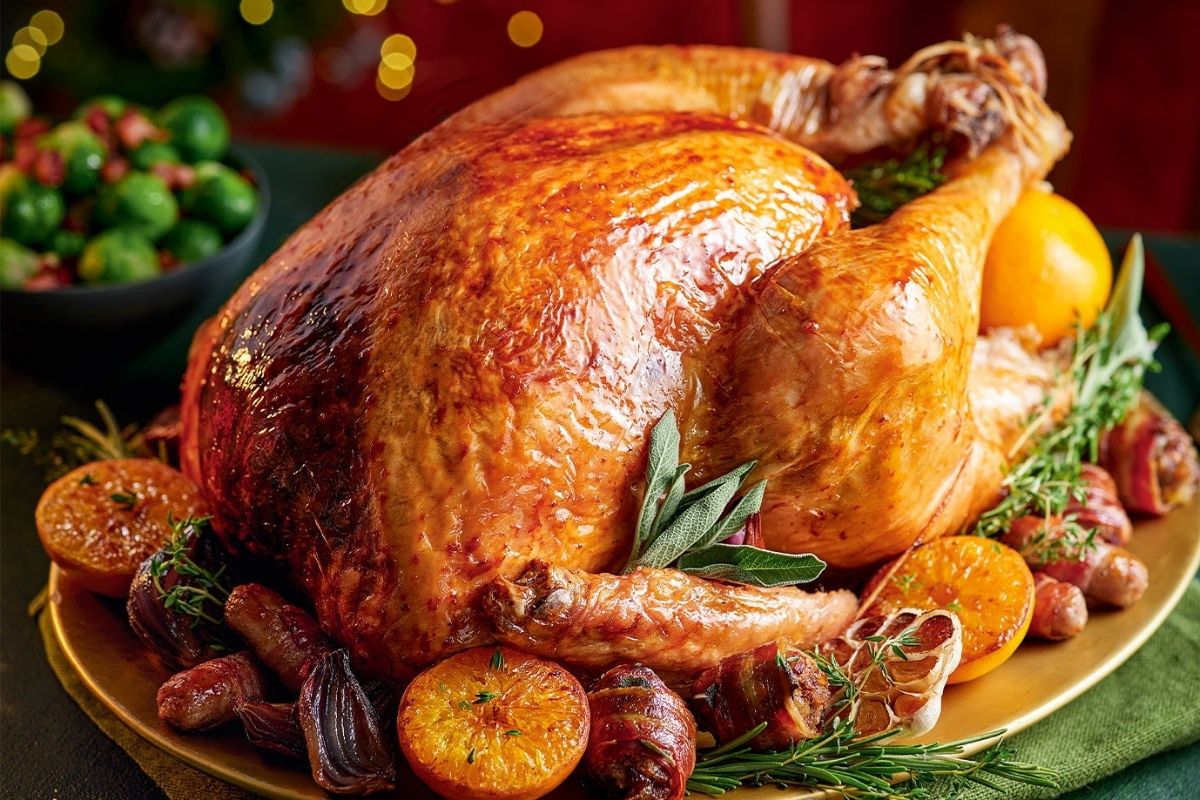
Roast turkey is a staple at many holiday dinners, but how much do you really know about this delicious dish? Did you know that the tradition of eating turkey during Thanksgiving dates back to the 1620s? Turkeys are native to North America, and they were first domesticated by the Aztecs in Mexico. Interestingly, Benjamin Franklin once suggested the turkey as the national bird of the United States instead of the bald eagle. Cooking a turkey to perfection requires patience and skill, with the average bird taking about 3 to 4 hours to roast. Whether you prefer it stuffed or unstuffed, brined or basted, there's always something new to learn about this festive favorite. Ready to dive into some fun facts about roast turkey? Let's get started!
History of Roast Turkey
Roast turkey has a rich history that spans centuries. Let's dive into some fascinating facts about this beloved dish.
- The tradition of eating turkey during Thanksgiving in the United States dates back to the 1621 Pilgrim feast in Plymouth.
- Turkeys are native to North America and were domesticated by the indigenous people long before European settlers arrived.
- Benjamin Franklin once suggested the turkey as the national bird of the United States, praising its courage and resourcefulness.
- The first official Thanksgiving proclamation was made by President George Washington in 1789, and turkey was likely part of the feast.
Cooking Techniques
Roasting a turkey to perfection requires skill and knowledge. Here are some interesting tidbits about the cooking process.
- Brining a turkey before roasting helps to keep the meat moist and flavorful.
- The recommended internal temperature for a fully cooked turkey is 165°F (74°C).
- Basting the turkey with its own juices or a marinade can enhance its flavor and keep it from drying out.
- Using a meat thermometer is the most accurate way to ensure your turkey is cooked properly.
Nutritional Facts
Roast turkey is not only delicious but also packed with nutrients. Here are some health-related facts.
- Turkey is a great source of lean protein, which is essential for muscle growth and repair.
- It contains important vitamins and minerals, including B vitamins, selenium, and zinc.
- White meat from the turkey breast is lower in fat compared to dark meat from the thighs and drumsticks.
- Turkey skin, while tasty, is high in fat and calories, so it’s best enjoyed in moderation.
Cultural Significance
Roast turkey holds a special place in various cultures and traditions. Let's explore its cultural impact.
- In Canada, Thanksgiving is celebrated on the second Monday of October, and turkey is a staple of the holiday meal.
- In the United Kingdom, turkey is often served during Christmas dinner, a tradition that dates back to the Victorian era.
- Some Jewish families include roast turkey in their Hanukkah celebrations, incorporating it into traditional dishes.
- In Mexico, turkey is used in a variety of dishes, including mole poblano, a rich and flavorful sauce.
Fun and Quirky Facts
Roast turkey has some fun and quirky aspects that might surprise you. Check these out!
- The largest turkey ever raised weighed a whopping 86 pounds.
- Each year, the President of the United States pardons a live turkey, sparing it from becoming dinner.
- Turkeys have a unique feature called a "snood," a fleshy protuberance that hangs over their beak.
- Wild turkeys can run up to 20 miles per hour and fly short distances at speeds up to 55 miles per hour.
Modern-Day Practices
Roast turkey continues to evolve with modern culinary practices. Here are some contemporary facts.
- Deep-frying turkey has become a popular alternative to traditional roasting, offering a crispy exterior and juicy interior.
- Some people opt for smoking their turkey, which imparts a rich, smoky flavor to the meat.
- Vegan and vegetarian alternatives to roast turkey, such as Tofurky, have gained popularity in recent years.
- Leftover turkey can be used in a variety of dishes, from sandwiches to soups and casseroles.
Environmental Impact
The production and consumption of turkey have environmental implications. Here’s what you should know.
- Raising turkeys requires significant resources, including water, feed, and land, contributing to the overall environmental footprint of meat production.
Turkey Talk: The Final Gobble
Roast turkey isn't just a holiday staple; it's a dish rich in history and flavor. From its origins with Native Americans to its role in Thanksgiving feasts, turkey has carved out a special place in our hearts and kitchens. Knowing that Benjamin Franklin wanted the turkey as the national bird adds a quirky twist to its story. Plus, the fact that wild turkeys can fly up to 55 mph is pretty impressive!
When preparing your next turkey, remember to brine it for extra juiciness and use a meat thermometer to avoid overcooking. Whether you prefer it stuffed or unstuffed, roasted or smoked, turkey offers a versatile and delicious option for any meal. So, next time you sit down to a turkey dinner, you'll have plenty of fun facts to share. Enjoy your feast and impress your guests with your newfound turkey knowledge!
Was this page helpful?
Our commitment to delivering trustworthy and engaging content is at the heart of what we do. Each fact on our site is contributed by real users like you, bringing a wealth of diverse insights and information. To ensure the highest standards of accuracy and reliability, our dedicated editors meticulously review each submission. This process guarantees that the facts we share are not only fascinating but also credible. Trust in our commitment to quality and authenticity as you explore and learn with us.