



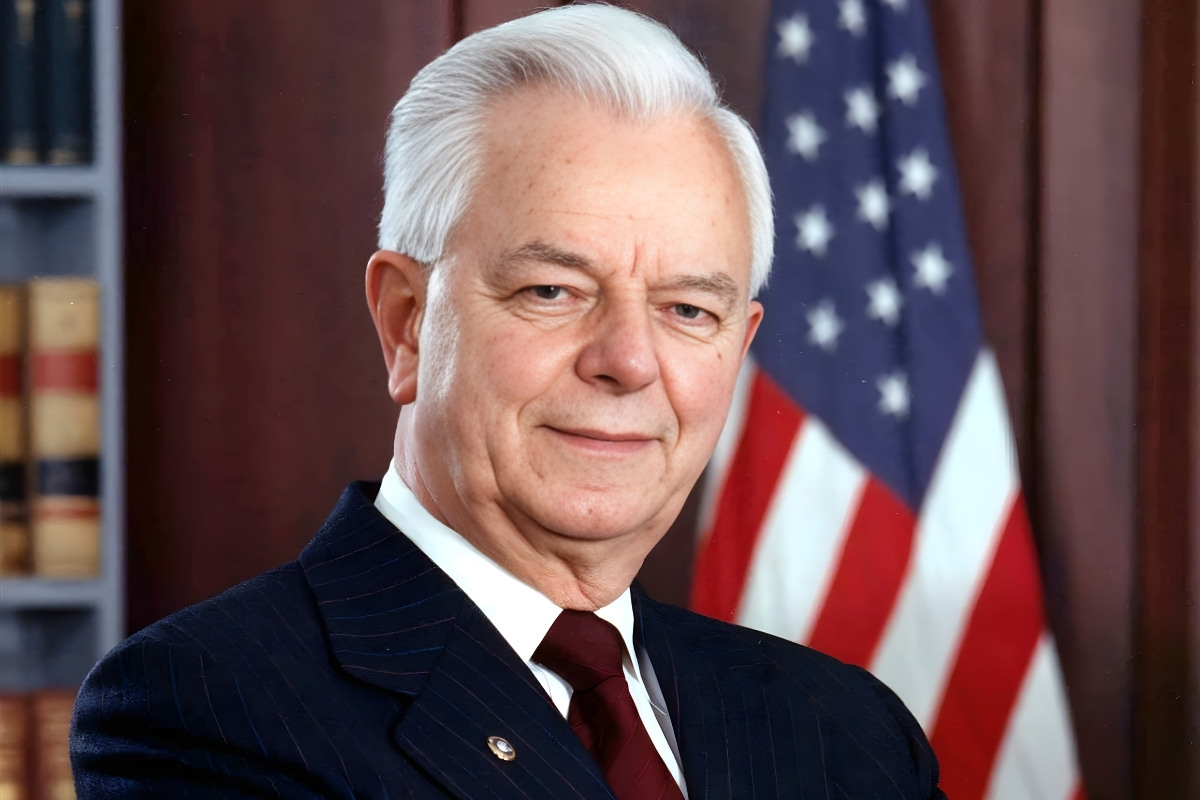
Who was Robert Byrd? Robert Byrd was a prominent American politician who served as a U.S. Senator from West Virginia for over 51 years, making him the longest-serving senator in U.S. history. Born in 1917, Byrd's career spanned significant periods of American history, from the New Deal era to the early 21st century. Known for his deep knowledge of Senate rules and procedures, he was often referred to as the "Dean of the Senate." Byrd's legacy is complex, marked by both his early association with the Ku Klux Klan and his later efforts to atone for this part of his past. He was a staunch defender of the Constitution and a vocal critic of the Iraq War. Byrd's life and career offer a fascinating glimpse into American politics and history.
Early Life and Education
Robert Byrd's early years and education laid the foundation for his long political career. Here are some interesting facts about his beginnings.
- Robert Byrd was born on November 20, 1917, in North Wilkesboro, North Carolina. His birth name was Cornelius Calvin Sale Jr.
- After his mother died in the 1918 flu pandemic, he was adopted by his aunt and uncle, who renamed him Robert Carlyle Byrd.
- Byrd grew up in the coal-mining regions of West Virginia, where he attended local public schools.
- He was valedictorian of his high school class in 1934, showcasing his early academic prowess.
- Despite financial hardships, Byrd attended Beckley College, Concord College, Morris Harvey College, and Marshall University, often working multiple jobs to support his education.
Political Career Beginnings
Byrd's entry into politics was marked by determination and a deep connection to his constituents.
- Byrd's political career began in 1946 when he was elected to the West Virginia House of Delegates.
- In 1950, he won a seat in the West Virginia Senate, where he served until 1952.
- Byrd was elected to the U.S. House of Representatives in 1952, representing West Virginia's 6th congressional district.
- He served three terms in the House before being elected to the U.S. Senate in 1958.
- Byrd's early political career was marked by his ability to connect with voters and his dedication to public service.
Senate Tenure
Robert Byrd's time in the Senate was historic and influential. His tenure saw many significant achievements and milestones.
- Byrd served in the U.S. Senate for over 51 years, making him the longest-serving senator in American history.
- He held various leadership positions, including Senate Majority Leader, Senate Minority Leader, and President pro tempore of the Senate.
- Byrd was known for his expertise in parliamentary procedure and often referred to the Senate rules manual, which he helped revise.
- He was a staunch defender of the Senate's traditions and procedures, often emphasizing the importance of the institution.
- Byrd's tenure saw him become a powerful advocate for West Virginia, securing numerous federal projects and funding for the state.
Controversies and Evolution
Byrd's career was not without controversy, but he evolved significantly over time.
- Early in his career, Byrd was a member of the Ku Klux Klan, a fact he later deeply regretted and apologized for.
- He filibustered the Civil Rights Act of 1964, a stance he later called a mistake and worked to rectify through his subsequent actions.
- Byrd's views evolved significantly over his career, and he became a strong advocate for civil rights and equality.
- He was known for his opposition to the Iraq War, delivering a passionate speech against it in 2003.
- Byrd's ability to change and grow in his views earned him respect from colleagues and constituents alike.
Personal Life and Legacy
Byrd's personal life and legacy are as noteworthy as his political career.
- Byrd married his high school sweetheart, Erma Ora James, in 1937. They remained married until her death in 2006.
- The couple had two daughters, Mona and Marjorie, and six grandchildren.
- Byrd was an accomplished fiddler and often played at events and gatherings, showcasing his love for music.
- He authored several books, including a four-volume history of the Senate and his autobiography, "Child of the Appalachian Coalfields."
- Robert Byrd passed away on June 28, 2010, leaving behind a legacy of dedication to public service and a complex, evolving political career.
Byrd's Legacy in a Nutshell
Robert Byrd's life was a tapestry of dedication, resilience, and transformation. Serving as the longest-tenured U.S. Senator, he left an indelible mark on American politics. Byrd's journey from humble beginnings to a powerful political figure is a testament to his unwavering commitment to public service. His deep knowledge of the Constitution and Senate rules earned him respect across party lines. Despite controversies, Byrd's ability to evolve and address past mistakes showcased his growth as a leader. His contributions to infrastructure, education, and healthcare have had lasting impacts on West Virginia and the nation. Byrd's legacy is a reminder that perseverance and adaptability can lead to significant achievements. As we reflect on his life, it's clear that Robert Byrd's influence will be felt for generations to come. His story is a powerful example of how one person's dedication can shape the course of history.
Was this page helpful?
Our commitment to delivering trustworthy and engaging content is at the heart of what we do. Each fact on our site is contributed by real users like you, bringing a wealth of diverse insights and information. To ensure the highest standards of accuracy and reliability, our dedicated editors meticulously review each submission. This process guarantees that the facts we share are not only fascinating but also credible. Trust in our commitment to quality and authenticity as you explore and learn with us.