



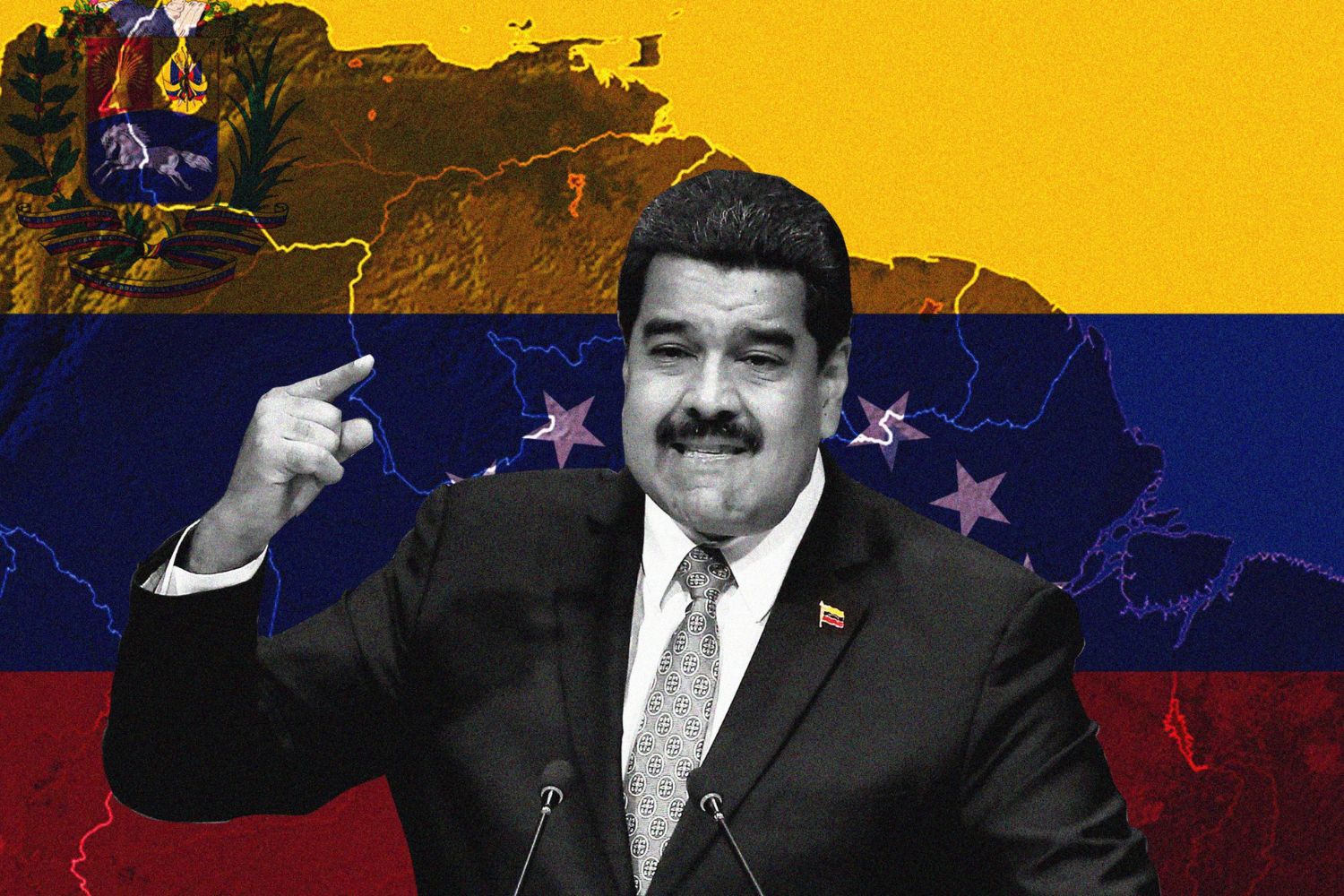
Who is Nicolás Maduro and what is his role in Venezuela? Nicolás Maduro, born in 1962, is the current President of Venezuela. He took office in 2013 after the death of Hugo Chávez, his predecessor and mentor. Maduro's presidency has been marked by economic turmoil, political unrest, and international controversy. Venezuela, once one of the wealthiest countries in South America, now faces severe inflation, food shortages, and mass emigration. Maduro's government has been accused of human rights abuses and undermining democratic institutions. Despite these challenges, he remains a central figure in Venezuelan politics, with strong support from some sectors and fierce opposition from others. Understanding Maduro's impact on Venezuela requires looking at both his policies and the broader context of the country's ongoing crisis.
Nicolás Maduro: The Man at the Helm
Nicolás Maduro has been a central figure in Venezuelan politics for years. Here are some intriguing facts about him:
-
Bus Driver to President: Before entering politics, Maduro worked as a bus driver in Caracas. His humble beginnings are often highlighted in his political narrative.
-
Union Leader: Maduro's political career began as a union leader for the bus drivers' union. This role helped him gain early political experience and connections.
-
Chávez's Right-Hand Man: He was a close ally of Hugo Chávez, serving as his foreign minister and vice president. Chávez's endorsement played a crucial role in Maduro's rise to power.
-
Interim President: After Chávez's death in 2013, Maduro became the interim president before winning the official election later that year.
-
Controversial Elections: Maduro's 2018 re-election was marred by allegations of fraud and irregularities, leading to widespread international condemnation.
-
Economic Crisis: Under Maduro's leadership, Venezuela has faced severe economic challenges, including hyperinflation and shortages of basic goods.
-
Constituent Assembly: In 2017, Maduro established a new Constituent Assembly, which many critics argue undermined the opposition-controlled National Assembly.
-
Sanctions: The United States and several other countries have imposed sanctions on Maduro and his government, accusing them of human rights abuses and corruption.
Venezuela's Political Landscape
Venezuela's political scene is complex and often turbulent. Here are some key facts about the country's political environment:
-
Bolivarian Revolution: Initiated by Hugo Chávez, this movement aimed to implement socialism in Venezuela. Maduro continues to champion this ideology.
-
Opposition Leaders: Figures like Juan Guaidó and Leopoldo López have been prominent opposition leaders, often clashing with Maduro's government.
-
National Assembly vs. Constituent Assembly: The opposition-controlled National Assembly and the pro-Maduro Constituent Assembly have been at odds, leading to a legislative standoff.
-
Military Influence: The Venezuelan military plays a significant role in the country's politics, often supporting Maduro's government.
-
International Recognition: While some countries recognize Maduro as the legitimate president, others, including the U.S., recognize Juan Guaidó as the interim president.
-
Human Rights Concerns: Numerous reports from organizations like Amnesty International highlight human rights abuses under Maduro's regime.
-
Dialogue Attempts: There have been several attempts at dialogue between the government and opposition, often mediated by international actors, but these have largely been unsuccessful.
Economic Struggles and Hyperinflation
Venezuela's economy has been in a dire state for years. Here are some facts about the economic situation:
-
Oil Dependency: Venezuela has one of the largest oil reserves in the world. However, over-reliance on oil has made the economy vulnerable to price fluctuations.
-
Hyperinflation: The country has experienced hyperinflation, with prices doubling almost every month at its peak.
-
Currency Devaluation: The Venezuelan bolívar has been devalued multiple times, leading to the introduction of new currency denominations.
-
Black Market: Due to strict currency controls, a black market for U.S. dollars has flourished, often offering rates far above the official exchange rate.
-
Migration Crisis: Economic hardship has led to a mass exodus of Venezuelans, with millions fleeing to neighboring countries.
-
Food and Medicine Shortages: Basic goods, including food and medicine, are often scarce, leading to long lines and rationing.
Social and Cultural Impact
The ongoing crisis in Venezuela has had profound social and cultural effects. Here are some notable points:
-
Brain Drain: Many educated professionals have left the country, seeking better opportunities abroad.
-
Crime Rates: Venezuela has one of the highest crime rates in the world, with Caracas often cited as one of the most dangerous cities.
-
Protests and Repression: Anti-government protests are common, often met with heavy-handed responses from security forces.
-
Cultural Resilience: Despite the hardships, Venezuelans continue to celebrate their rich cultural heritage, including music, dance, and festivals.
Final Thoughts on Maduro and Venezuela
Maduro's Venezuela is a complex tapestry of history, politics, and culture. From its rich oil reserves to the vibrant street art in Caracas, the country is a land of contrasts. Maduro's leadership has been marked by controversy, economic challenges, and international scrutiny. Despite these hurdles, the spirit of the Venezuelan people remains resilient. They continue to celebrate their heritage, music, and traditions with pride. Understanding the nuances of Venezuela under Maduro requires looking beyond headlines and appreciating the deeper stories of its citizens. Whether it's the bustling markets or the serene landscapes, Venezuela offers a unique glimpse into a nation striving for stability and growth. As you reflect on these facts, remember the importance of context and the human stories behind the statistics. Venezuela's journey is far from over, and its future holds many possibilities.
Was this page helpful?
Our commitment to delivering trustworthy and engaging content is at the heart of what we do. Each fact on our site is contributed by real users like you, bringing a wealth of diverse insights and information. To ensure the highest standards of accuracy and reliability, our dedicated editors meticulously review each submission. This process guarantees that the facts we share are not only fascinating but also credible. Trust in our commitment to quality and authenticity as you explore and learn with us.