



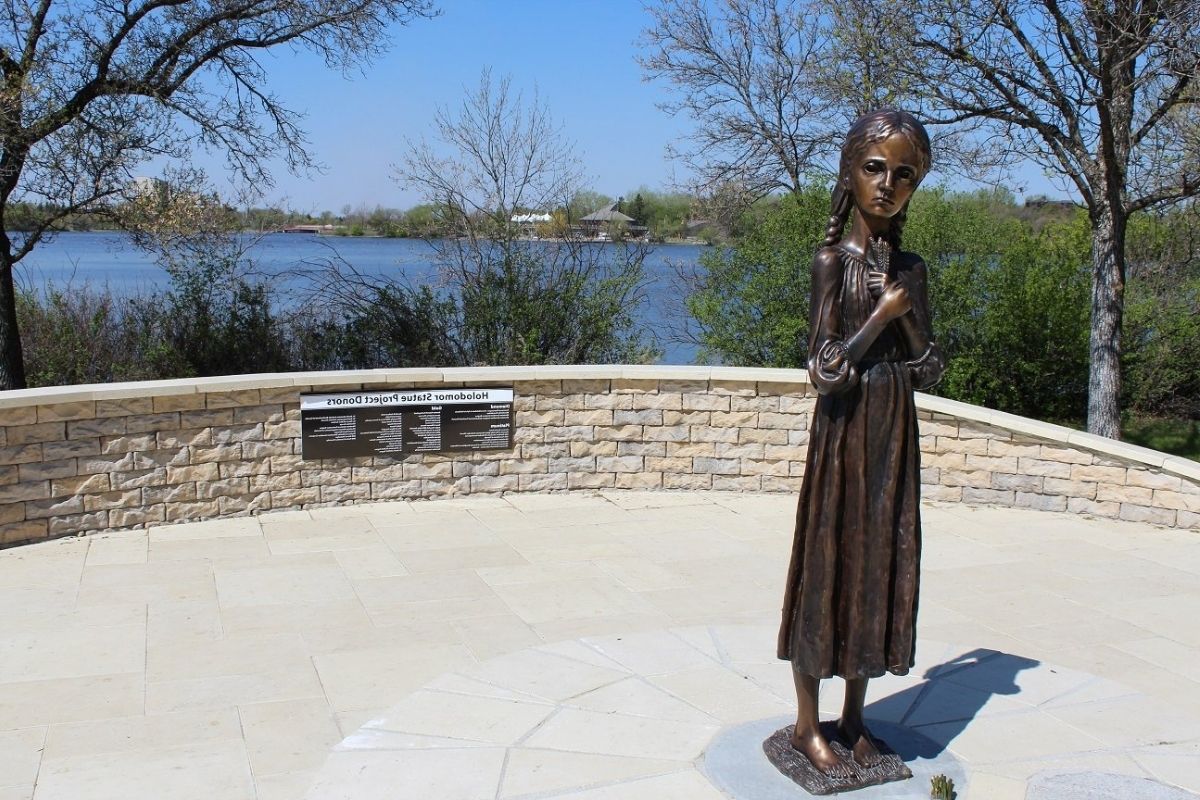
What was the Holodomor? The Holodomor was a devastating famine that struck Soviet Ukraine from 1932 to 1933. Millions of Ukrainians perished due to starvation, making it one of the most tragic events in modern history. This catastrophe wasn't just a natural disaster; it was largely man-made, resulting from policies enforced by Joseph Stalin's government. The term "Holodomor" combines the Ukrainian words for "hunger" (holod) and "extermination" (moryty), reflecting the deliberate nature of the famine. Understanding the Holodomor is crucial for grasping the historical and cultural impact it had on Ukraine and its people. Here are 30 facts to help you learn more about this dark chapter.
What Was the Holodomor?
The Holodomor was a devastating famine that struck Soviet Ukraine from 1932 to 1933. This tragic event led to the deaths of millions and remains a significant chapter in Ukrainian history. Here are some crucial facts to understand its impact and legacy.
-
The term "Holodomor" combines the Ukrainian words for hunger ("holod") and extermination ("moryty").
-
Estimates suggest that between 3.5 to 7 million people died during the Holodomor.
-
The famine was largely man-made, resulting from Soviet policies under Joseph Stalin.
-
Grain requisition quotas were set impossibly high, leaving Ukrainian peasants without enough food.
-
The Soviet government confiscated not just grain but also other foodstuffs, livestock, and even seeds for future planting.
Causes and Policies
Understanding the causes behind the Holodomor helps to grasp why it was so catastrophic. Soviet policies played a significant role in exacerbating the famine.
-
Stalin's regime aimed to collectivize agriculture, forcing peasants to give up their land and join collective farms.
-
Resistance to collectivization was met with brutal repression, including executions and deportations.
-
The Soviet government imposed harsh penalties on those accused of hoarding grain, including death or imprisonment.
-
"Blacklists" were created, banning entire villages from receiving any supplies if they failed to meet grain quotas.
-
The borders of Ukraine were sealed to prevent people from fleeing or seeking food elsewhere.
Impact on Population
The Holodomor had a profound impact on the Ukrainian population, altering demographics and causing widespread suffering.
-
Entire villages were wiped out, with some areas losing up to 80% of their population.
-
Survivors often resorted to eating grass, tree bark, and even rodents to stay alive.
-
Cannibalism was reported in extreme cases, highlighting the desperation of the starving population.
-
Many children were orphaned, leading to a significant increase in the number of homeless and abandoned kids.
-
The famine disproportionately affected rural areas, where the majority of the population lived.
International Response
The international community's response to the Holodomor was mixed, with some countries acknowledging the tragedy while others remained silent.
-
Western journalists like Gareth Jones reported on the famine, but their accounts were often dismissed or suppressed.
-
The Soviet Union denied the existence of the famine, calling it anti-Soviet propaganda.
-
Some countries, influenced by Soviet diplomacy, chose to ignore or downplay the reports of famine.
-
In 1988, the United States Congress Commission on the Ukraine Famine concluded that the Holodomor was an act of genocide.
-
Today, over a dozen countries officially recognize the Holodomor as a genocide.
Legacy and Remembrance
The Holodomor's legacy continues to shape Ukrainian identity and memory. Efforts to remember and honor the victims are ongoing.
-
Ukraine observes Holodomor Memorial Day on the fourth Saturday of November each year.
-
Monuments and memorials dedicated to the victims can be found in Ukraine and around the world.
-
The Holodomor is a central topic in Ukrainian history education, ensuring that future generations remember the tragedy.
-
Documentaries, books, and academic studies continue to explore the causes and consequences of the famine.
-
The Ukrainian diaspora plays a significant role in raising awareness about the Holodomor globally.
Controversies and Debates
The Holodomor remains a subject of debate among historians, politicians, and scholars. Different perspectives offer varying interpretations of the event.
-
Some historians argue that the famine was a result of mismanagement and incompetence rather than a deliberate act of genocide.
-
Others believe that Stalin's policies specifically targeted Ukrainians to crush nationalist movements and resistance.
-
The Russian government has often downplayed the Holodomor, viewing it as part of a broader Soviet famine affecting multiple regions.
-
Ukrainian scholars and activists continue to push for wider international recognition of the Holodomor as genocide.
-
The debate over the Holodomor's classification influences contemporary Ukrainian-Russian relations, adding to the complexity of their historical narrative.
Remembering the Holodomor
The Holodomor stands as a stark reminder of the devastating impact of political decisions on human lives. Millions of Ukrainians suffered and perished due to forced famine policies. This tragic event highlights the importance of acknowledging and learning from history to prevent similar atrocities. By understanding the Holodomor, we honor the victims and reinforce our commitment to human rights and justice.
Sharing these facts ensures that the memory of those who suffered isn't forgotten. It's crucial to educate future generations about such events to foster a more compassionate and informed world. The Holodomor isn't just a chapter in history books; it's a powerful lesson on the consequences of unchecked power and the resilience of the human spirit. Let's keep these stories alive, ensuring that such tragedies never repeat.
Was this page helpful?
Our commitment to delivering trustworthy and engaging content is at the heart of what we do. Each fact on our site is contributed by real users like you, bringing a wealth of diverse insights and information. To ensure the highest standards of accuracy and reliability, our dedicated editors meticulously review each submission. This process guarantees that the facts we share are not only fascinating but also credible. Trust in our commitment to quality and authenticity as you explore and learn with us.