



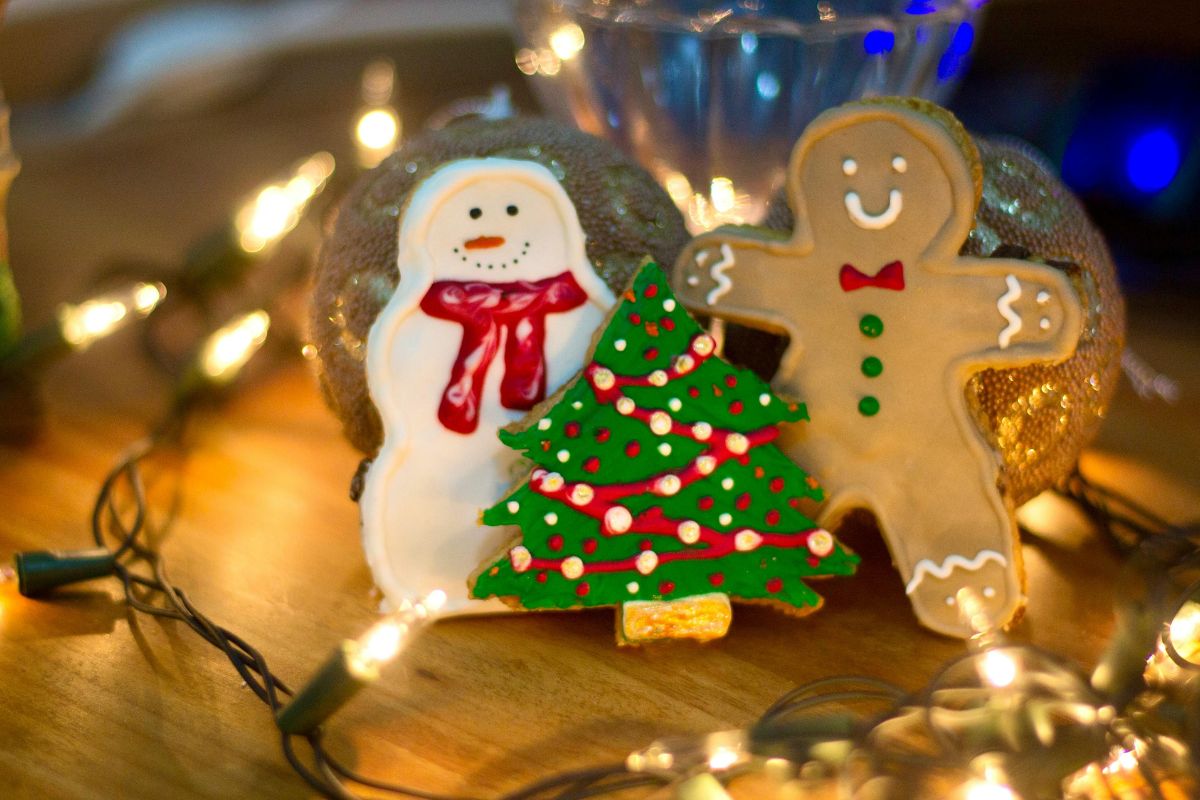
Seasonal holidays bring joy, traditions, and unique customs around the world. Ever wondered why people kiss under mistletoe or why pumpkins are carved for Halloween? These celebrations often have fascinating origins and quirky facts that make them special. From the fireworks of New Year's Eve to the colorful parades of Mardi Gras, each holiday has its own story. Did you know that in Japan, Christmas is celebrated with a bucket of KFC chicken? Or that in Spain, people eat 12 grapes at midnight on New Year's Eve for good luck? Let's explore 30 intriguing facts about these festive occasions that might surprise you and make your next celebration even more enjoyable!
Christmas
Christmas is celebrated worldwide, bringing joy and festive cheer. Let's uncover some fascinating facts about this beloved holiday.
-
Christmas Trees: The tradition of decorating Christmas trees originated in Germany during the 16th century. People used to decorate trees with fruits, nuts, and candles.
-
Santa Claus: Santa Claus, also known as Saint Nicholas, was a monk born around 280 A.D. in modern-day Turkey. He became famous for his generosity and kindness.
-
Christmas Cards: The first Christmas card was created in 1843 by Sir Henry Cole in London. It featured a family enjoying a festive meal.
-
Rudolph the Red-Nosed Reindeer: Rudolph was created in 1939 by Robert L. May as part of a marketing campaign for Montgomery Ward, a department store.
-
Xmas: The term "Xmas" is derived from the Greek letter Chi, which is the first letter of the Greek word for Christ, Χριστός.
Hanukkah
Hanukkah, also known as the Festival of Lights, is an eight-day Jewish holiday. Here are some intriguing facts about Hanukkah.
-
Miracle of the Oil: Hanukkah commemorates the miracle where a small amount of oil, enough for one day, burned for eight days in the Holy Temple.
-
Dreidel Game: The dreidel game is a traditional Hanukkah activity. The four sides of the dreidel feature Hebrew letters that stand for "A great miracle happened there."
-
Menorah: The menorah, a nine-branched candelabrum, is lit each night of Hanukkah. One candle, the shamash, is used to light the others.
-
Latkes: Latkes, or potato pancakes, are a popular Hanukkah dish. They are fried in oil to symbolize the miracle of the oil.
-
Gelt: Hanukkah gelt refers to chocolate coins given to children. It represents the money given to children as a reward for studying the Torah.
Diwali
Diwali, the Festival of Lights, is one of the most important Hindu festivals. Let's explore some captivating facts about Diwali.
-
Victory of Light: Diwali celebrates the victory of light over darkness and good over evil. It marks the return of Lord Rama to Ayodhya after defeating the demon king Ravana.
-
Five Days: Diwali is celebrated over five days, each with its own significance. The third day, Lakshmi Puja, is the most important, dedicated to the goddess of wealth.
-
Rangoli: Rangoli, colorful patterns made with rice, flour, or sand, are created at the entrance of homes to welcome guests and deities.
-
Fireworks: Fireworks are a major part of Diwali celebrations. They symbolize the victory of light over darkness and ward off evil spirits.
-
Sweets: Exchanging sweets is a common Diwali tradition. Popular sweets include ladoos, barfis, and jalebis.
Easter
Easter is a significant Christian holiday celebrating the resurrection of Jesus Christ. Here are some interesting facts about Easter.
-
Easter Bunny: The Easter Bunny originated from German folklore. It was believed that a hare would lay eggs for children to find.
-
Easter Eggs: Decorating eggs is a popular Easter tradition. Eggs symbolize new life and resurrection.
-
Easter Parade: The New York City Easter Parade dates back to the mid-1800s. Participants showcase their finest clothes and elaborate hats.
-
Hot Cross Buns: Hot cross buns, marked with a cross, are traditionally eaten on Good Friday. They are believed to bring good luck.
-
Paschal Candle: The Paschal Candle is lit during Easter Vigil services. It represents the light of Christ coming into the world.
Halloween
Halloween, celebrated on October 31st, is known for costumes, trick-or-treating, and spooky fun. Let's dive into some Halloween facts.
-
Origins: Halloween has its roots in the ancient Celtic festival of Samhain, which marked the end of the harvest season and the beginning of winter.
-
Jack-o'-Lanterns: The tradition of carving pumpkins into jack-o'-lanterns comes from an Irish myth about a man named Stingy Jack.
-
Costumes: Wearing costumes on Halloween dates back to the Celtic festival of Samhain. People wore costumes to ward off ghosts.
-
Trick-or-Treating: Trick-or-treating has origins in medieval "souling," where the poor would go door-to-door offering prayers for the dead in exchange for food.
-
Black Cats: Black cats are often associated with Halloween. In medieval Europe, they were believed to be witches' familiars.
Thanksgiving
Thanksgiving, celebrated primarily in the United States and Canada, is a time for giving thanks and feasting. Here are some Thanksgiving facts.
-
First Thanksgiving: The first Thanksgiving was celebrated in 1621 by the Pilgrims and Native Americans. It lasted three days and included a feast.
-
Turkey: Turkey has become the traditional Thanksgiving centerpiece. It's estimated that over 46 million turkeys are eaten each Thanksgiving.
-
Macy's Parade: The Macy's Thanksgiving Day Parade in New York City began in 1924. It features giant balloons, floats, and performances.
-
Football: Watching football is a Thanksgiving tradition. The NFL has hosted games on Thanksgiving Day since 1920.
-
Pardoning the Turkey: The U.S. President pardons a live turkey each year, sparing it from becoming Thanksgiving dinner. This tradition dates back to the 1940s.
The Magic of Seasonal Holidays
Seasonal holidays bring people together, creating memories that last a lifetime. From the festive lights of Christmas to the fireworks of New Year's Eve, these celebrations are rich in tradition and culture. Each holiday has unique customs, foods, and activities that make them special. Whether it's carving pumpkins for Halloween or lighting candles for Hanukkah, these traditions connect us to our past and each other.
Learning about different holidays broadens our understanding of the world. It shows us the beauty in diversity and the common threads that unite us. So next time a holiday rolls around, take a moment to appreciate its history and significance. Share these facts with friends and family to spread the joy and knowledge. Embrace the magic of seasonal holidays, and let them remind you of the importance of togetherness and celebration.
Was this page helpful?
Our commitment to delivering trustworthy and engaging content is at the heart of what we do. Each fact on our site is contributed by real users like you, bringing a wealth of diverse insights and information. To ensure the highest standards of accuracy and reliability, our dedicated editors meticulously review each submission. This process guarantees that the facts we share are not only fascinating but also credible. Trust in our commitment to quality and authenticity as you explore and learn with us.