



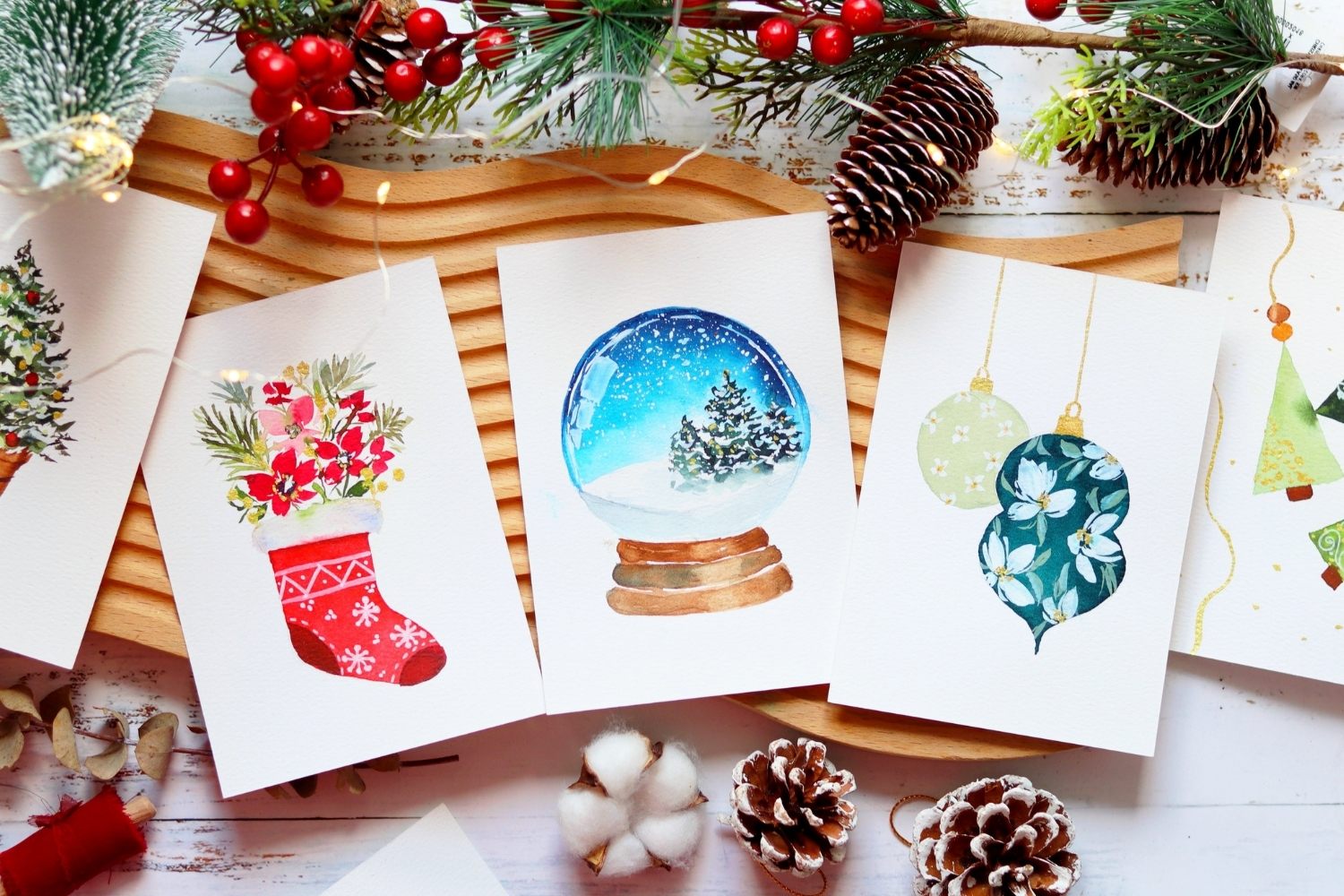
Did you know that the tradition of sending Christmas cards dates back to the 19th century? The first Christmas card was created in 1843 by Sir Henry Cole, a British civil servant, and illustrated by John Callcott Horsley. Since then, Christmas cards have become a beloved holiday tradition worldwide. From hand-painted masterpieces to digital greetings, these cards come in all shapes and sizes. They often feature festive images like Santa Claus, reindeer, snowmen, and nativity scenes. Some even include family photos or personalized messages. Whether you send them to family, friends, or colleagues, Christmas cards spread joy and holiday cheer. They serve as a small but meaningful way to connect with loved ones during the festive season.
The Origins of Christmas Cards
Christmas cards have a rich history that dates back centuries. Let's explore some fascinating facts about their origins.
-
The first Christmas card was created in 1843 by Sir Henry Cole, a British civil servant. He commissioned artist John Callcott Horsley to design it.
-
The initial card depicted a family celebrating together, with the words "A Merry Christmas and a Happy New Year to You."
-
Only 1,000 copies of the first card were printed, making them rare collectibles today.
-
Early Christmas cards were often hand-delivered due to the high cost of postage.
Evolution of Christmas Card Designs
Over the years, Christmas card designs have evolved significantly. Here are some interesting facts about their transformation.
-
Victorian-era cards often featured flowers, fairies, and other non-Christmas-related themes.
-
By the late 1800s, traditional Christmas imagery like Santa Claus, holly, and snow scenes became popular.
-
In the early 20th century, cards began to include humorous and whimsical designs.
-
World War I saw a rise in patriotic themes, with cards often depicting soldiers and national symbols.
Christmas Cards Around the World
Different cultures have their own unique traditions when it comes to Christmas cards. Let's take a look at some global practices.
-
In Japan, Christmas cards are often exchanged on New Year's Day rather than Christmas.
-
In Germany, cards are known as "Weihnachtskarten" and often feature intricate, handmade designs.
-
Australians often send cards depicting sunny, beach scenes, reflecting their summer Christmas.
-
In the UK, sending Christmas cards is a deeply ingrained tradition, with millions sent each year.
Modern Trends in Christmas Cards
As technology advances, so do the ways we send and receive Christmas cards. Here are some modern trends.
-
E-cards have become increasingly popular, offering a quick and eco-friendly alternative.
-
Personalized photo cards allow families to share their yearly highlights with loved ones.
-
Some people now opt for video greetings, adding a personal touch with recorded messages.
-
Social media platforms have also become a common way to send holiday wishes.
Fun Facts About Christmas Card Collecting
Collecting Christmas cards is a hobby for many enthusiasts. Here are some fun facts about this unique pastime.
-
The most expensive Christmas card ever sold was one of the original 1843 cards, fetching over $30,000 at auction.
-
Some collectors specialize in cards from specific eras, such as Victorian or mid-20th century.
-
Rare cards featuring famous artists or limited print runs are highly sought after.
-
There are entire clubs and societies dedicated to the collection and study of Christmas cards.
Environmental Impact of Christmas Cards
While Christmas cards bring joy, they also have an environmental impact. Here are some facts to consider.
-
Each year, billions of Christmas cards are sent worldwide, contributing to paper waste.
-
Many cards are now made from recycled materials to reduce their environmental footprint.
-
Some companies offer plantable cards embedded with seeds, which can be planted after use.
-
Digital cards are a greener option, eliminating the need for paper and postage.
-
Recycling old cards into new crafts or decorations is a great way to reduce waste and get creative.
The Joy of Christmas Cards
Christmas cards have a rich history and continue to bring joy to millions. From their humble beginnings in the 1840s to the digital versions we see today, they've evolved but still hold a special place in our hearts. Whether you prefer traditional paper cards or modern e-cards, sending a Christmas card is a simple yet meaningful way to show you care. They connect us, spread holiday cheer, and remind us of the importance of staying in touch with loved ones. So, next time you send or receive a Christmas card, remember the history and thought behind it. It’s not just a piece of paper or a digital message; it’s a symbol of love, friendship, and holiday spirit. Keep the tradition alive and let your Christmas cards bring smiles to faces near and far.
Was this page helpful?
Our commitment to delivering trustworthy and engaging content is at the heart of what we do. Each fact on our site is contributed by real users like you, bringing a wealth of diverse insights and information. To ensure the highest standards of accuracy and reliability, our dedicated editors meticulously review each submission. This process guarantees that the facts we share are not only fascinating but also credible. Trust in our commitment to quality and authenticity as you explore and learn with us.