



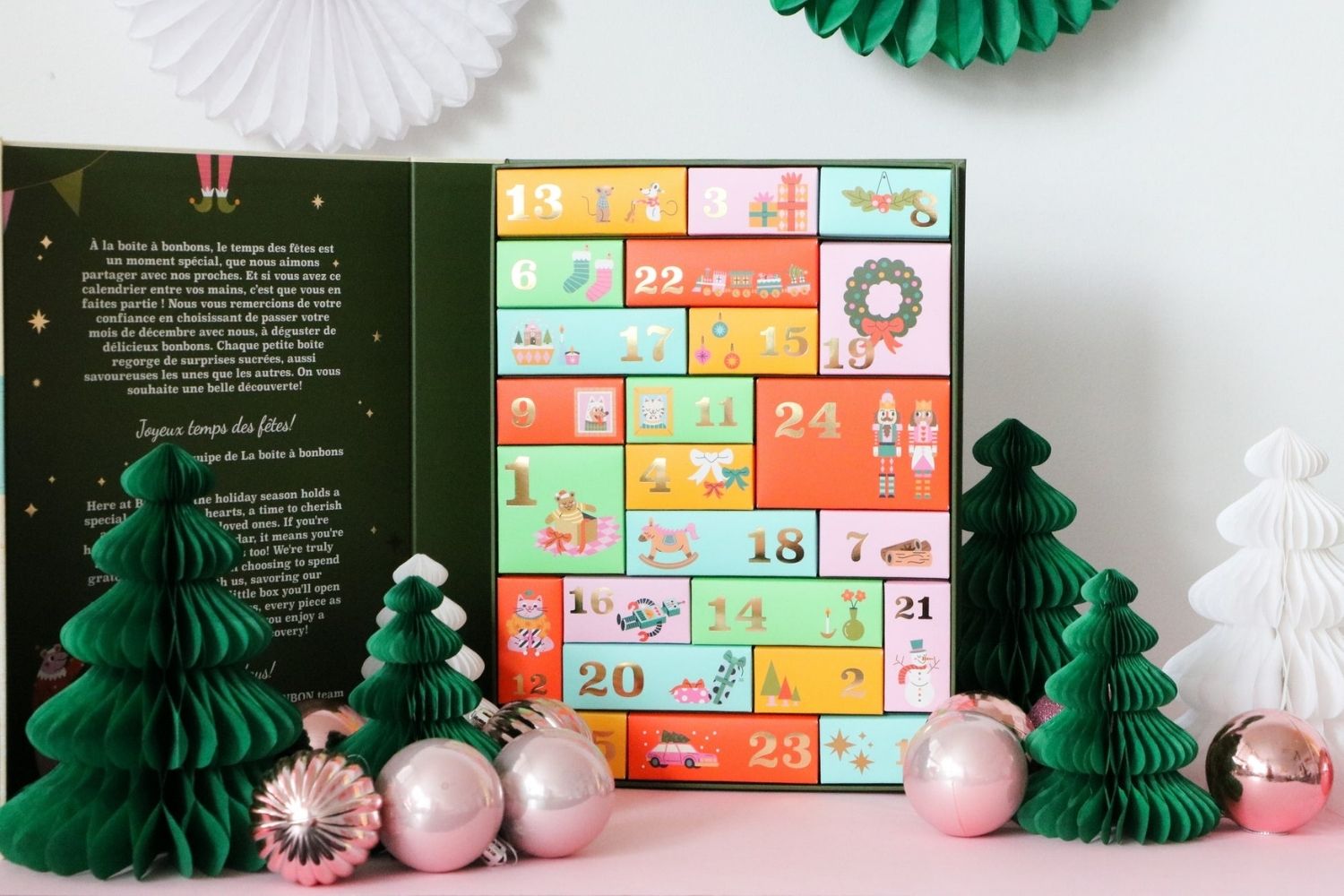
What is an Advent Calendar? An Advent Calendar is a special calendar used to count the days of Advent in anticipation of Christmas. Traditionally, it starts on December 1st and ends on December 24th. Each day, a door or window is opened to reveal a small gift, picture, or piece of chocolate. Originating in Germany in the 19th century, these calendars have become a beloved holiday tradition worldwide. They come in various forms, from simple paper designs to elaborate wooden structures. Some even feature themes like toys, beauty products, or even cheese! Advent Calendars add excitement and joy to the holiday season, making the countdown to Christmas even more magical.
The Origin of Advent Calendars
Advent calendars have a rich history that dates back centuries. They are more than just a countdown to Christmas; they hold cultural and religious significance.
-
Advent calendars originated in Germany. The tradition began in the early 19th century when families would mark the days leading up to Christmas with chalk lines on doors or walls.
-
The first printed Advent calendar appeared in the early 1900s. Gerhard Lang, a German printer, is credited with creating the first printed version in 1908. His design included small doors that could be opened to reveal a picture or Bible verse.
-
World War II halted production. During the war, cardboard was rationed, and production of Advent calendars ceased. They made a comeback in the late 1940s.
Evolution of Advent Calendars
Over the years, Advent calendars have evolved from simple chalk marks to elaborate designs filled with surprises.
-
Chocolate Advent calendars became popular in the 1950s. The first chocolate-filled Advent calendar was produced by a German company named Sellmer in 1958.
-
Modern Advent calendars can contain a variety of items. Today, they can be filled with toys, beauty products, or even small bottles of alcohol.
-
DIY Advent calendars are a growing trend. Many people now create their own calendars, personalizing them with handmade gifts or treats.
Cultural Significance
Advent calendars are not just a fun way to count down to Christmas; they hold cultural and religious importance in many parts of the world.
-
Advent calendars are a staple in many European countries. They are especially popular in Germany, Austria, and Switzerland.
-
They are used to teach children about the Nativity story. Each door or window often contains a picture or verse related to the birth of Jesus.
-
In Scandinavia, Advent calendars are often broadcast on TV. These televised versions feature daily episodes of a Christmas-themed story.
Fun Facts About Advent Calendars
Advent calendars have some interesting and quirky aspects that make them even more fascinating.
-
The world's largest Advent calendar was built in London. It stood at 71 meters tall and 23 meters wide, created in 2007 at St. Pancras railway station.
-
Advent calendars can be quite valuable. Some luxury versions, filled with high-end products, can cost hundreds or even thousands of dollars.
-
LEGO produces a popular Advent calendar. Each day reveals a new mini-figure or small build, making it a hit with both kids and adults.
Advent Calendars Around the World
Different countries have their own unique takes on the Advent calendar tradition.
-
In Iceland, the Advent calendar tradition is tied to the Yule Lads. These mischievous figures leave small gifts in children's shoes each night.
-
In Italy, Advent calendars often feature scenes from the Nativity. They are used to teach children about the religious aspects of Christmas.
-
In the United States, Advent calendars are a growing trend. They have become increasingly popular in recent years, with many stores offering a wide variety of options.
Advent Calendar Innovations
As times change, so do Advent calendars. Innovations have made them more exciting and diverse.
-
Digital Advent calendars are now a thing. These online versions offer daily surprises, such as games, videos, or e-cards.
-
Some Advent calendars are eco-friendly. Made from recycled materials or designed to be reusable, they cater to environmentally conscious consumers.
-
Advent calendars for pets are available. Filled with treats or toys, they allow pet owners to include their furry friends in the holiday fun.
Advent Calendar Records
Advent calendars have set some impressive records over the years.
-
The most expensive Advent calendar was valued at $4.6 million. Created by a Belgian jeweler, it featured diamonds, sapphires, and other precious stones.
-
The longest Advent calendar measured 232 feet. Built in Germany, it featured 24 doors, each over 9 feet tall.
-
The fastest time to open an Advent calendar is 1 minute and 53 seconds. This record was set by a British man in 2019.
Advent Calendar Trivia
Here are some lesser-known facts that add to the charm of Advent calendars.
-
Some Advent calendars feature hidden messages. These messages are revealed when all the doors are opened, adding an extra layer of surprise.
-
Advent calendars can be educational. Some versions include puzzles, math problems, or science experiments behind each door.
-
They are a popular fundraising tool. Many charities create their own versions, with proceeds going to support various causes.
-
Advent calendars have inspired other countdowns. Similar calendars are now used for events like birthdays, weddings, or even vacations, making the wait more exciting.
The Magic of Advent Calendars
Advent calendars have a rich history and bring joy to many during the holiday season. From their origins in 19th-century Germany to the diverse and creative versions available today, these calendars have evolved into a beloved tradition worldwide. Whether filled with chocolates, toys, or even beauty products, they offer a daily dose of excitement and anticipation leading up to Christmas.
Their ability to adapt to modern trends while maintaining their nostalgic charm makes them a unique part of holiday celebrations. So, next time you open a little door or drawer on your advent calendar, remember the history and joy behind this festive tradition. It’s more than just a countdown; it’s a way to connect with loved ones, create memories, and embrace the spirit of the season. Happy counting!
Was this page helpful?
Our commitment to delivering trustworthy and engaging content is at the heart of what we do. Each fact on our site is contributed by real users like you, bringing a wealth of diverse insights and information. To ensure the highest standards of accuracy and reliability, our dedicated editors meticulously review each submission. This process guarantees that the facts we share are not only fascinating but also credible. Trust in our commitment to quality and authenticity as you explore and learn with us.