



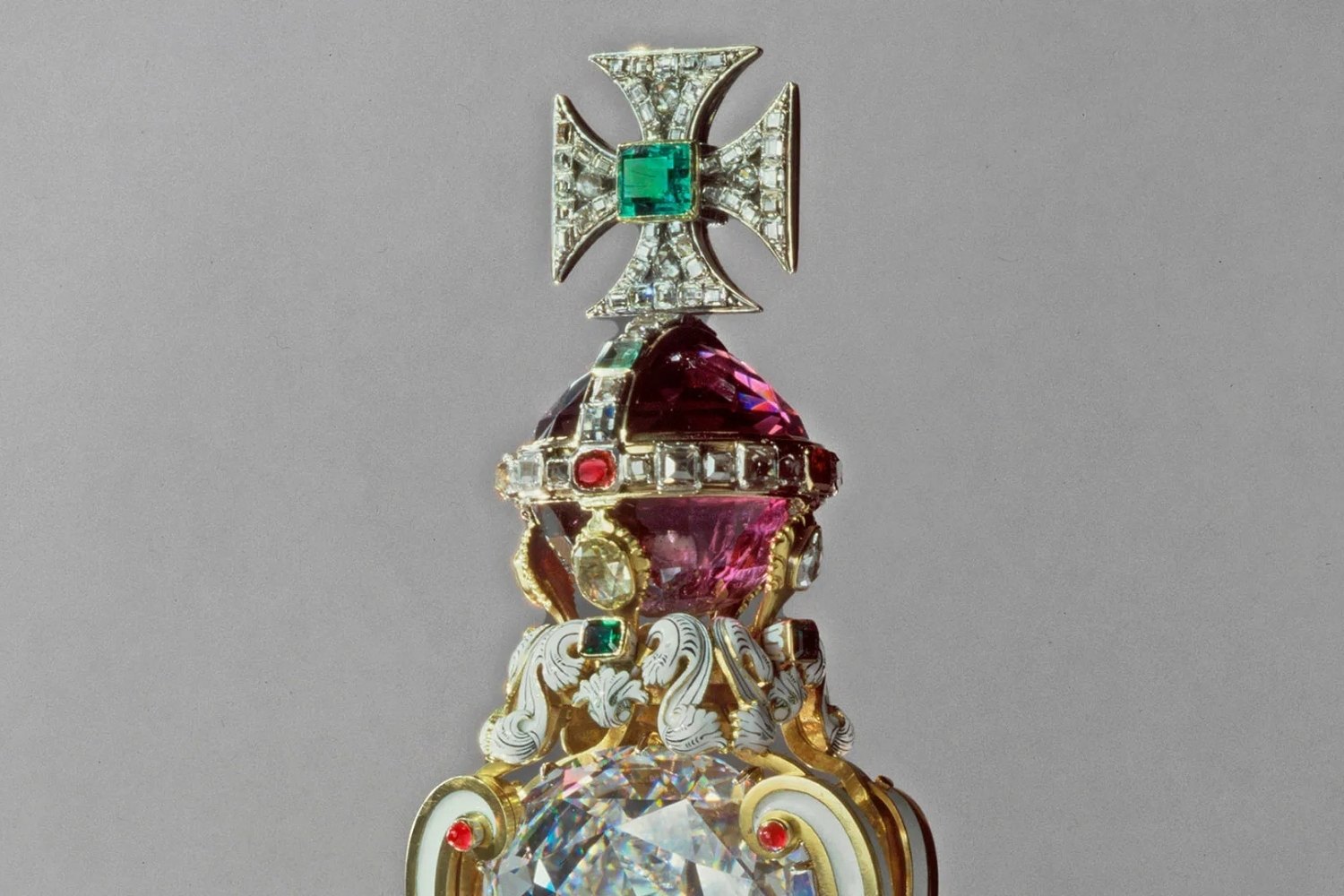
What is a sceptre? A sceptre is a ceremonial staff often held by rulers as a symbol of authority and power. These ornate objects have been used throughout history by kings, queens, and other leaders to signify their right to govern. Sceptres can be found in various cultures, each with unique designs and meanings. From ancient Egypt to medieval Europe, these staffs have played a significant role in royal ceremonies and rituals. They are often adorned with precious metals, jewels, and intricate carvings, making them not only symbols of power but also works of art. Sceptres continue to captivate historians and enthusiasts alike, offering a glimpse into the grandeur of past civilizations.
What is a Sceptre?
A sceptre is a symbolic ornamental staff held by a ruling monarch. It represents authority, power, and governance. Throughout history, sceptres have been used in various cultures and ceremonies.
- Ancient Origins: Sceptres date back to ancient Egypt, where pharaohs wielded them as symbols of divine authority.
- Greek Influence: In ancient Greece, sceptres were associated with Zeus, the king of the gods, symbolizing his power.
- Roman Tradition: Roman emperors adopted the sceptre, often topped with an eagle, to signify their supreme rule.
- Medieval Europe: During the Middle Ages, European monarchs used sceptres during coronation ceremonies to represent their right to rule.
- Religious Significance: In Christianity, sceptres often appear in religious art, symbolizing Christ's kingship.
Types of Sceptres
Sceptres come in various forms, each with unique designs and purposes. They often reflect the culture and era from which they originate.
- Royal Sceptre: Typically adorned with jewels and gold, royal sceptres are used in coronation ceremonies.
- Ceremonial Sceptre: These are used in formal events and rituals, often less ornate than royal sceptres.
- Staff of Office: Used by officials and dignitaries, these sceptres symbolize authority within a specific office or role.
- Mythical Sceptres: In mythology, sceptres often possess magical properties, granting the wielder special powers.
- Religious Sceptres: Used in various religious ceremonies, these sceptres symbolize spiritual authority.
Famous Sceptres in History
Several sceptres have gained fame due to their historical significance and intricate designs. These sceptres often tell stories of the rulers who wielded them.
- The Sceptre of Egypt: Held by pharaohs, this sceptre was often depicted in hieroglyphs and tomb paintings.
- The Rod of Asclepius: In Greek mythology, this sceptre, entwined with a serpent, symbolizes healing and medicine.
- The Holy Roman Empire's Sceptre: Used by emperors during coronations, it symbolized the unity of church and state.
- The British Sovereign's Sceptre: Part of the Crown Jewels, this sceptre features the Cullinan I diamond, the largest clear-cut diamond in the world.
- The Russian Imperial Sceptre: Adorned with the Orlov diamond, this sceptre was used by Russian tsars.
Symbolism and Meaning
Sceptres carry deep symbolic meanings, often representing more than just power. They embody the ideals and values of the societies that use them.
- Authority: Sceptres symbolize the right to rule and make decisions on behalf of a nation or group.
- Justice: Many sceptres feature symbols of justice, such as scales or swords, representing the ruler's duty to uphold fairness.
- Divine Right: In many cultures, sceptres signify the ruler's divine right to govern, often granted by gods or religious figures.
- Prosperity: Some sceptres are adorned with symbols of wealth and abundance, indicating the ruler's role in ensuring the prosperity of their people.
- Protection: Sceptres can also symbolize the ruler's duty to protect their subjects from harm and maintain peace.
Modern Use of Sceptres
While their use has diminished, sceptres still appear in modern ceremonies and symbols of authority.
- Coronation Ceremonies: Modern monarchs, such as those in the United Kingdom, still use sceptres during their coronation.
- Academic Ceremonies: Universities often use sceptres during graduation ceremonies to symbolize the authority of the institution.
- Masonic Lodges: In Freemasonry, sceptres are used as symbols of authority within the lodge.
- Cultural Events: Some cultures use sceptres in traditional ceremonies and festivals to honor their heritage.
- Art and Literature: Sceptres continue to appear in art, literature, and film, symbolizing power and authority in fictional narratives.
Final Thoughts on Sceptres
Sceptres have a rich history and fascinating symbolism. From ancient Egypt to modern ceremonies, these ornate staffs have represented power, authority, and divine connection. Kings, queens, and religious leaders have all wielded sceptres, each design telling its own story.
Understanding sceptres gives us a glimpse into the past, showing how societies have valued leadership and spirituality. Whether adorned with jewels or crafted from simple materials, sceptres have always held a special place in human culture.
Next time you see a sceptre in a museum or a historical documentary, you'll know it's more than just a fancy stick. It's a symbol of the power and beliefs of those who came before us. So, keep an eye out for these fascinating artifacts, and appreciate the stories they tell.
Was this page helpful?
Our commitment to delivering trustworthy and engaging content is at the heart of what we do. Each fact on our site is contributed by real users like you, bringing a wealth of diverse insights and information. To ensure the highest standards of accuracy and reliability, our dedicated editors meticulously review each submission. This process guarantees that the facts we share are not only fascinating but also credible. Trust in our commitment to quality and authenticity as you explore and learn with us.