



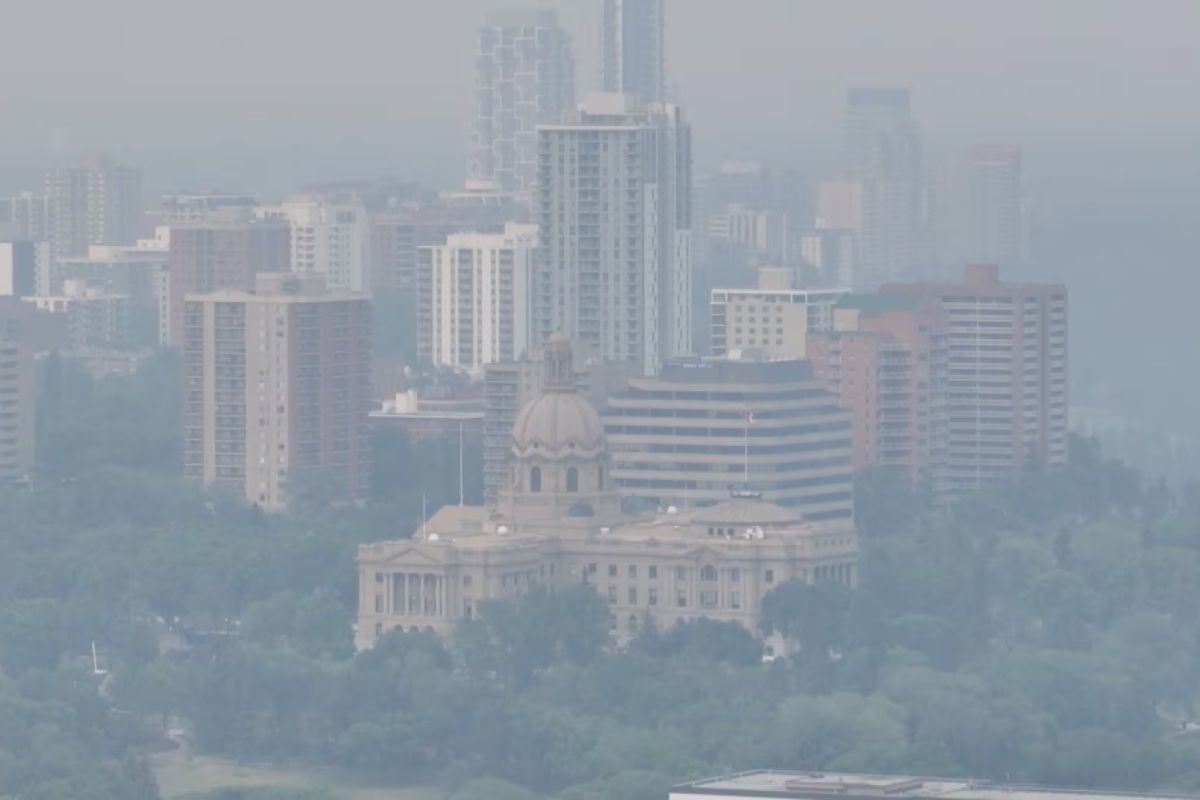
Ever wondered about the air quality in Edmonton? This bustling Canadian city, known for its vibrant culture and stunning landscapes, also faces challenges with air pollution. Understanding air quality is crucial for residents and visitors alike. Air quality affects health, environment, and overall quality of life. Edmonton's air quality can fluctuate due to various factors like traffic, industrial activities, and even natural events such as wildfires. Monitoring air quality helps in taking preventive measures to reduce pollution and protect public health. In this post, we'll explore 25 intriguing facts about Edmonton's air quality, shedding light on what makes this city's air unique and what efforts are being made to improve it.
Understanding Air Quality in Edmonton
Edmonton, the capital city of Alberta, Canada, is known for its vibrant culture and stunning landscapes. However, air quality is a significant concern for residents and visitors alike. Let's dive into some intriguing facts about Edmonton's air quality.
-
Edmonton's air quality is monitored by the Alberta Capital Airshed (ACA), which provides real-time data on pollutants.
-
The Air Quality Health Index (AQHI) is used to measure air quality in Edmonton. It ranges from 1 to 10+, with higher values indicating greater health risks.
-
In 2022, Edmonton experienced several days with an AQHI of 7 or higher, primarily due to wildfire smoke from nearby regions.
Sources of Air Pollution
Various factors contribute to air pollution in Edmonton. Understanding these sources can help in mitigating their impact.
-
Vehicle emissions are a major source of air pollution in Edmonton, contributing to high levels of nitrogen dioxide (NO2) and particulate matter (PM).
-
Industrial activities, including oil refineries and chemical plants, release significant amounts of sulfur dioxide (SO2) and volatile organic compounds (VOCs).
-
Residential heating, especially during winter, adds to the levels of carbon monoxide (CO) and PM in the air.
Health Impacts of Poor Air Quality
Poor air quality can have severe health implications. Here are some facts highlighting its impact on health.
-
Long-term exposure to high levels of PM2.5 can lead to respiratory diseases such as asthma and chronic bronchitis.
-
Children and the elderly are particularly vulnerable to the adverse effects of air pollution.
-
Studies have shown a correlation between poor air quality and increased hospital admissions for cardiovascular diseases.
Seasonal Variations in Air Quality
Air quality in Edmonton varies with the seasons. Let's explore how different times of the year affect air quality.
-
Winter months often see higher levels of PM2.5 due to increased use of wood-burning stoves and fireplaces.
-
Summer months can experience spikes in ozone (O3) levels, especially during heatwaves.
-
Wildfire season, typically from May to September, can drastically reduce air quality due to smoke.
Efforts to Improve Air Quality
Various initiatives are in place to improve air quality in Edmonton. Here are some noteworthy efforts.
-
The City of Edmonton has implemented a Climate Resilience Policy aimed at reducing greenhouse gas emissions.
-
Public transportation improvements, including the expansion of the Light Rail Transit (LRT) system, aim to reduce vehicle emissions.
-
The city encourages the use of electric vehicles (EVs) by providing charging stations and incentives.
Community Involvement
Community involvement plays a crucial role in improving air quality. Here are some ways residents can contribute.
-
Participating in tree-planting programs can help absorb CO2 and other pollutants.
-
Reducing the use of single-occupancy vehicles by carpooling or using public transport can lower emissions.
-
Supporting local clean air initiatives and staying informed about air quality can make a significant difference.
Technological Innovations
Technological advancements are helping to monitor and improve air quality in Edmonton. Here are some exciting developments.
-
Air quality sensors installed across the city provide real-time data to residents and policymakers.
-
The use of drones for air quality monitoring allows for more comprehensive data collection.
-
Advanced filtration systems in buildings help reduce indoor air pollution, providing a safer environment.
Future Challenges and Opportunities
Looking ahead, Edmonton faces both challenges and opportunities in managing air quality. Here are some key points.
-
Climate change could exacerbate air quality issues by increasing the frequency and intensity of wildfires.
-
Continued urbanization may lead to higher levels of vehicle emissions unless sustainable practices are adopted.
-
There is potential for renewable energy sources, such as wind and solar, to reduce reliance on fossil fuels and improve air quality.
-
Public awareness and education will be crucial in driving community action and policy changes to ensure cleaner air for future generations.
Final Thoughts on Edmonton's Air Quality
Edmonton's air quality is a mixed bag. While the city enjoys relatively clean air compared to other urban areas, there are still challenges. Industrial activities and vehicle emissions contribute to pollution levels, especially during peak hours. However, initiatives like green spaces and public transportation improvements are steps in the right direction. Monitoring air quality and staying informed can help residents make healthier choices. Understanding these facts can empower you to take action, whether it's advocating for cleaner policies or simply adjusting your daily habits. Edmonton's air quality isn't perfect, but with collective effort, it can improve. So, keep an eye on those air quality reports and do your part to keep the air clean. Every little bit helps in making Edmonton a healthier place to live.
Was this page helpful?
Our commitment to delivering trustworthy and engaging content is at the heart of what we do. Each fact on our site is contributed by real users like you, bringing a wealth of diverse insights and information. To ensure the highest standards of accuracy and reliability, our dedicated editors meticulously review each submission. This process guarantees that the facts we share are not only fascinating but also credible. Trust in our commitment to quality and authenticity as you explore and learn with us.