



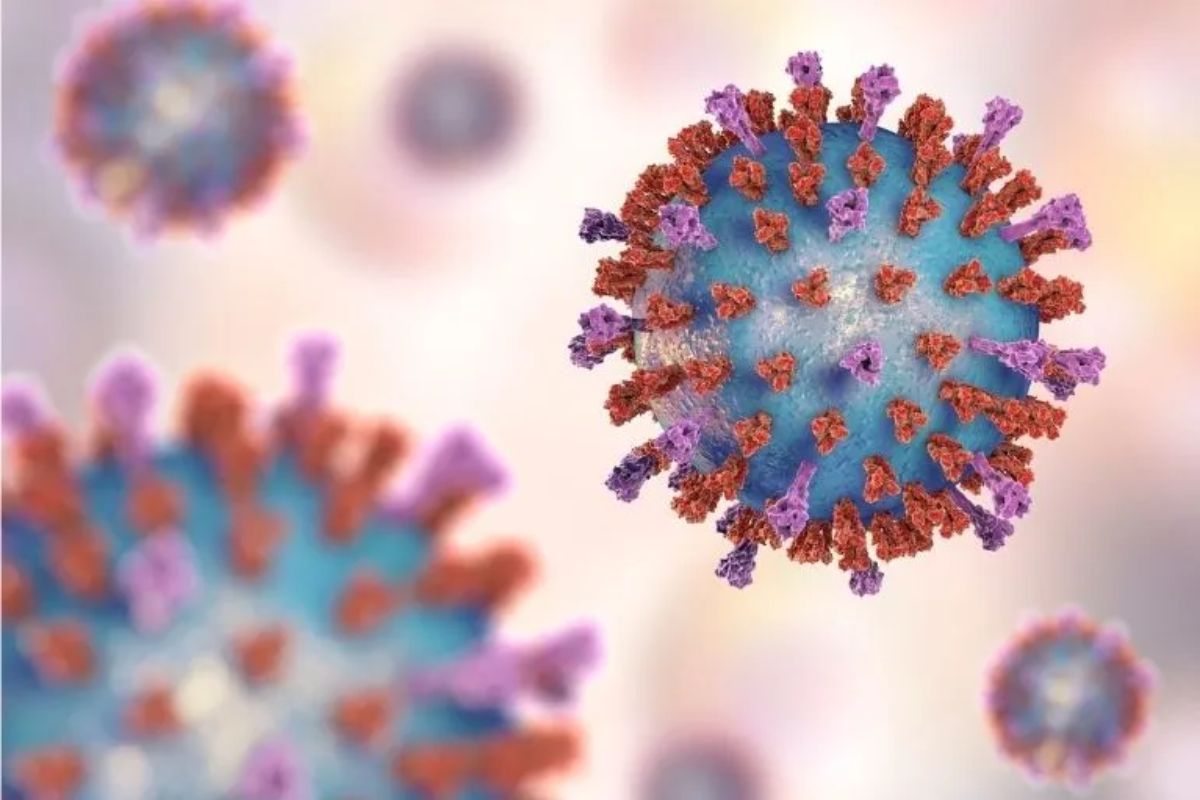
What is RSV? Respiratory Syncytial Virus, or RSV, is a common virus that affects the respiratory tract. RSV is especially dangerous for infants and older adults. It can cause mild, cold-like symptoms but sometimes leads to severe respiratory issues. RSV spreads easily through droplets when someone coughs or sneezes. Most children will have had RSV by their second birthday. While many recover without problems, some may need hospitalization. Knowing the signs and how to prevent its spread is crucial. This article will provide 25 essential facts about RSV to help you understand and protect yourself and your loved ones.
What is RSV?
Respiratory Syncytial Virus (RSV) is a common virus that infects the respiratory tract. It often causes mild, cold-like symptoms but can be serious, especially for infants and older adults. Here are some interesting facts about RSV.
-
RSV stands for Respiratory Syncytial Virus. This virus primarily affects the lungs and breathing passages.
-
RSV is highly contagious. It spreads through droplets when an infected person coughs or sneezes.
-
Most children get RSV by age 2. Nearly all kids will have had an RSV infection by their second birthday.
-
RSV can cause bronchiolitis. This is an inflammation of the small airways in the lung, which can be severe in infants.
-
RSV season is typically in the fall and winter. The virus is most active during these colder months.
Symptoms of RSV
Recognizing the symptoms of RSV can help in seeking timely medical care. Here are some common signs to watch for.
-
RSV symptoms resemble a cold. These include a runny nose, coughing, sneezing, and fever.
-
Severe RSV can cause wheezing. This high-pitched sound occurs when breathing out.
-
RSV can lead to difficulty breathing. Infants may show signs like rapid breathing or flaring nostrils.
-
RSV can cause a decrease in appetite. Infected children may eat less than usual.
-
RSV can result in irritability. Babies might be fussier than normal when infected.
How RSV Spreads
Understanding how RSV spreads can help in preventing its transmission. Here are some key points.
-
RSV spreads through direct contact. Touching a surface contaminated with the virus and then touching the face can lead to infection.
-
RSV can live on surfaces for hours. The virus can survive on hard surfaces like tables and doorknobs for several hours.
-
RSV can be spread by kissing. Close contact, such as kissing the face of a child, can transmit the virus.
-
RSV can be spread through shared items. Toys, cups, and utensils can carry the virus if shared among children.
-
RSV can be spread by touching the eyes, nose, or mouth. This is a common way the virus enters the body.
Who is at Risk?
Certain groups are more vulnerable to severe RSV infections. Here are the main risk factors.
-
Infants are at high risk. Babies, especially those under six months, are more likely to develop severe RSV.
-
Premature babies are more vulnerable. Preemies have underdeveloped lungs, making them more susceptible.
-
Older adults are at risk. People over 65 can experience severe RSV infections.
-
People with weakened immune systems are at risk. Those with conditions like HIV/AIDS or cancer are more likely to get severe RSV.
-
People with chronic lung or heart disease are at risk. Conditions like asthma or congenital heart disease increase the risk.
Prevention and Treatment
Preventing RSV and knowing how to treat it can reduce its impact. Here are some tips.
-
Handwashing is crucial. Regular handwashing can prevent the spread of RSV.
-
Avoid close contact with sick individuals. Keeping distance from those who are ill can reduce the risk of infection.
-
Disinfect surfaces regularly. Cleaning frequently-touched surfaces can help prevent the virus from spreading.
-
There is no specific treatment for RSV. Most cases are managed with supportive care like hydration and fever reducers.
-
Severe cases may require hospitalization. Infants and older adults with severe RSV might need oxygen therapy or mechanical ventilation.
Final Thoughts on RSV
RSV, or Respiratory Syncytial Virus, is more common than you might think. It affects both kids and adults, though it's particularly tough on infants and the elderly. Knowing the symptoms, like coughing, wheezing, and fever, can help you catch it early. Prevention is key—regular handwashing and avoiding close contact with sick individuals can make a big difference. While most cases are mild, severe RSV can lead to hospitalization, so it's crucial to stay informed. Treatments usually involve supportive care, but severe cases might need more intensive interventions. Vaccines are in development, offering hope for better prevention in the future. Stay vigilant, especially during RSV season, and consult healthcare providers for the best advice. Understanding RSV helps protect you and your loved ones from this common yet potentially serious virus.
Was this page helpful?
Our commitment to delivering trustworthy and engaging content is at the heart of what we do. Each fact on our site is contributed by real users like you, bringing a wealth of diverse insights and information. To ensure the highest standards of accuracy and reliability, our dedicated editors meticulously review each submission. This process guarantees that the facts we share are not only fascinating but also credible. Trust in our commitment to quality and authenticity as you explore and learn with us.