



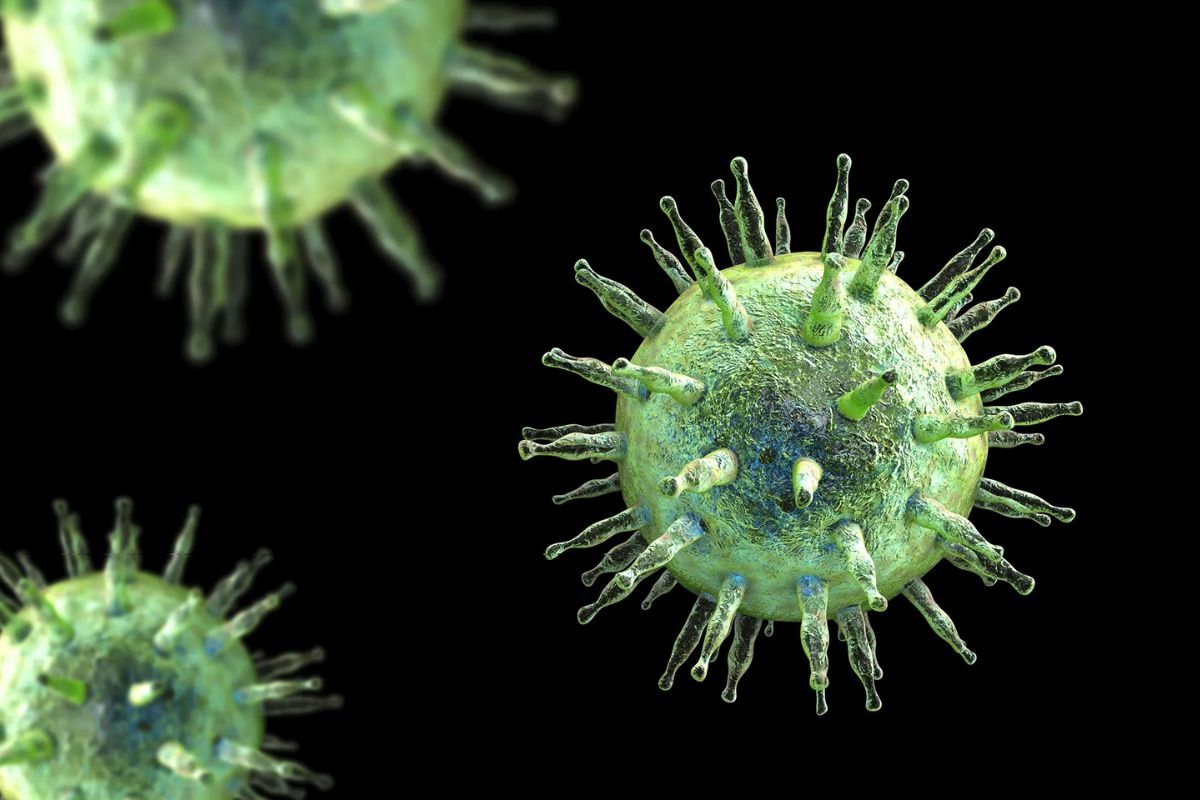
What is the Epstein-Barr Virus (EBV)? Epstein-Barr Virus (EBV), also known as human herpesvirus 4, is one of the most common viruses in humans. EBV is best known for causing infectious mononucleosis, often called "mono" or the "kissing disease." This virus spreads primarily through saliva, which means activities like kissing, sharing drinks, or using the same utensils can transmit it. Most people get infected with EBV at some point in their lives, often during childhood or adolescence. While many infections are mild or asymptomatic, EBV can sometimes lead to more serious conditions, including certain cancers and autoimmune diseases. Understanding EBV is crucial for recognizing its symptoms, transmission methods, and potential complications.
What is Epstein-Barr Virus?
Epstein-Barr Virus (EBV) is a member of the herpesvirus family. It’s one of the most common viruses in humans. Many people contract it at some point in their lives, often without even realizing it.
- EBV is also known as Human Herpesvirus 4 (HHV-4).
- It was discovered in 1964 by Michael Epstein and Yvonne Barr.
- EBV is the primary cause of infectious mononucleosis, commonly called "mono" or the "kissing disease."
- The virus is named after the scientists who discovered it.
- EBV is highly contagious and spreads through bodily fluids, especially saliva.
Symptoms and Diagnosis
EBV can cause a range of symptoms, some mild and others more severe. Knowing these symptoms can help in early diagnosis and treatment.
- Common symptoms include fever, sore throat, swollen lymph nodes, and fatigue.
- Some people may experience an enlarged spleen or liver.
- Symptoms usually appear 4 to 6 weeks after infection.
- Blood tests can detect antibodies to EBV, confirming the infection.
- Not everyone infected with EBV will show symptoms; some remain asymptomatic.
Transmission and Prevention
Understanding how EBV spreads can help in taking preventive measures. While it’s hard to avoid completely, certain practices can reduce the risk.
- EBV spreads primarily through saliva, hence the nickname "kissing disease."
- Sharing drinks, food, or personal items like toothbrushes can transmit the virus.
- It can also spread through blood and semen during sexual contact, blood transfusions, and organ transplants.
- Good hygiene practices, like not sharing personal items, can help prevent transmission.
- There is currently no vaccine for EBV, making prevention through hygiene even more crucial.
Long-term Effects and Complications
While many recover from EBV without issues, some may experience long-term effects or complications. These can be serious and require medical attention.
- Chronic EBV infection can lead to long-term fatigue and other health issues.
- EBV has been linked to certain cancers, including Burkitt's lymphoma and nasopharyngeal carcinoma.
- It can also contribute to autoimmune diseases like multiple sclerosis.
- In rare cases, EBV can cause complications such as hepatitis, myocarditis, or encephalitis.
- Early diagnosis and management can help mitigate some of these long-term effects.
Treatment and Management
There’s no specific treatment for EBV, but managing symptoms can help improve quality of life. Here are some ways to handle the infection.
- Rest and hydration are crucial for recovery.
- Over-the-counter pain relievers can help manage fever and sore throat.
- In severe cases, corticosteroids may be prescribed to reduce swelling.
- Avoiding strenuous activities is important, especially if the spleen is enlarged.
- Regular follow-ups with a healthcare provider can help monitor and manage any complications.
EBV is a common virus with a wide range of effects. Understanding it better can help in prevention, early diagnosis, and effective management.
The Final Word on Epstein-Barr Virus
Epstein-Barr Virus (EBV) is more common than you might think. Most people get infected at some point, often without even knowing. It’s linked to mononucleosis, but it can also lead to more serious conditions like certain cancers and autoimmune diseases. EBV spreads through saliva, so sharing drinks or kissing can pass it along. While there’s no vaccine yet, good hygiene and avoiding close contact with infected individuals can help reduce the risk. If you suspect you’ve got EBV, a doctor can confirm it with a blood test. Rest, hydration, and over-the-counter meds usually help manage symptoms. Understanding EBV is key to staying healthy and informed. Stay vigilant, and don’t hesitate to seek medical advice if you’re feeling off. Knowledge is power when it comes to managing your health.
Was this page helpful?
Our commitment to delivering trustworthy and engaging content is at the heart of what we do. Each fact on our site is contributed by real users like you, bringing a wealth of diverse insights and information. To ensure the highest standards of accuracy and reliability, our dedicated editors meticulously review each submission. This process guarantees that the facts we share are not only fascinating but also credible. Trust in our commitment to quality and authenticity as you explore and learn with us.