



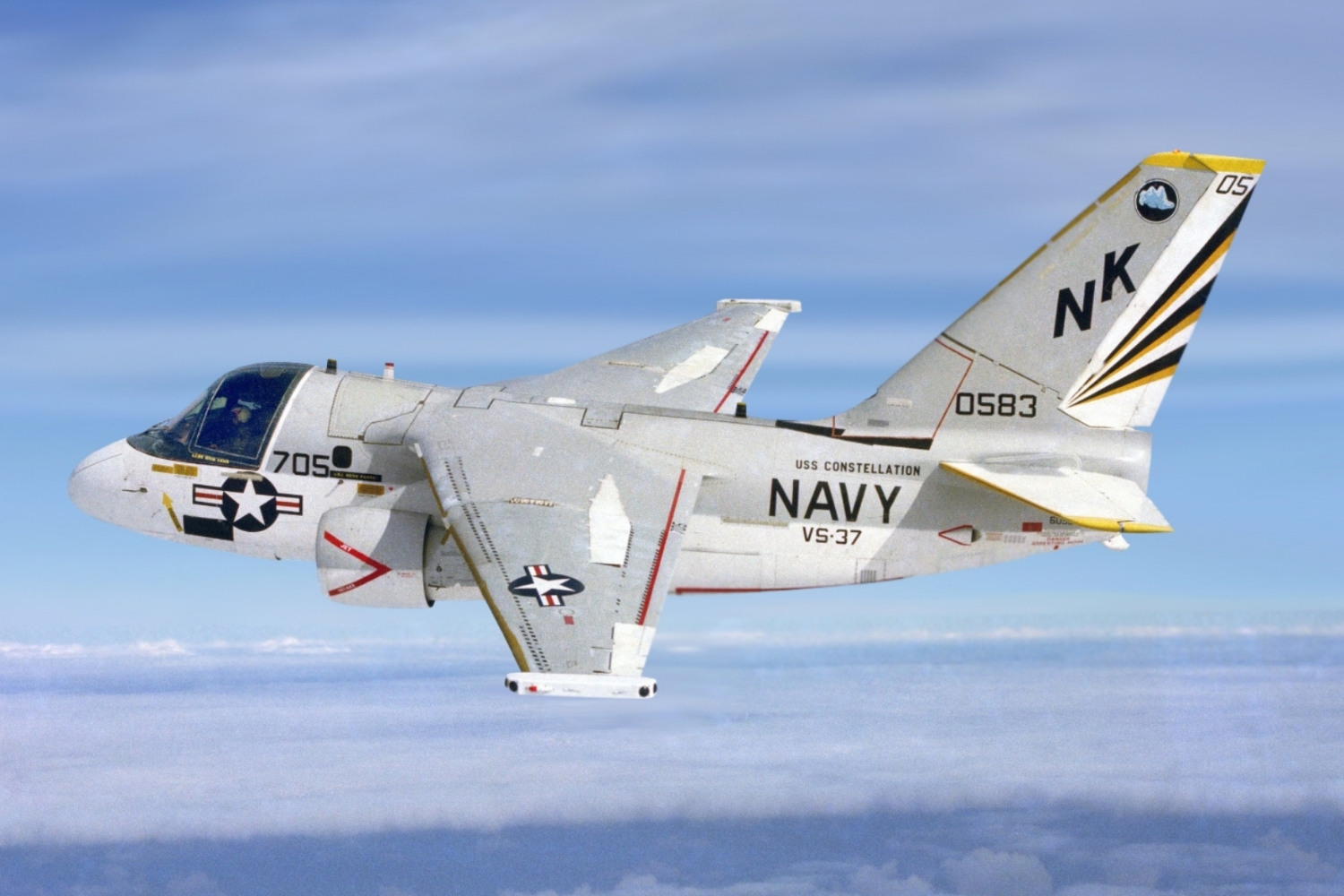
Did you know the Vikings were more than just fierce warriors? They were also skilled sailors, traders, and explorers who left a lasting impact on history. From their innovative ship designs to their complex social structures, the Vikings were a fascinating people. But what about their planes? While the idea of Viking planes might sound like something out of a sci-fi novel, it's actually a common misconception. The Vikings didn't have planes, but they did have incredible longships that allowed them to travel vast distances. Curious to learn more? Here are 25 intriguing facts about the Vikings that will surprise you and maybe even change how you think about these legendary Norsemen.
The Vikings: Who Were They?
The Vikings, often depicted as fierce warriors with horned helmets, were much more than just raiders. Originating from Scandinavia, they were explorers, traders, and settlers who left a significant mark on history.
- The term "Viking" comes from the Old Norse word "vikingr," meaning pirate or raider.
- Vikings hailed from present-day Norway, Sweden, and Denmark.
- Their era, known as the Viking Age, spanned from approximately 793 to 1066 AD.
- Contrary to popular belief, Vikings did not wear horned helmets. This myth was popularized by 19th-century opera costumes.
Viking Ships: Marvels of Engineering
Viking ships were not just vessels; they were masterpieces of engineering that allowed these seafarers to travel vast distances.
- Longships, the most famous Viking vessels, were designed for speed and agility.
- These ships could navigate both open seas and shallow rivers, making them versatile for raids and trade.
- Longships were often adorned with intricate carvings and dragon heads to intimidate enemies.
- The largest known Viking ship, the Roskilde 6, measured over 37 meters in length.
Viking Society: More Than Just Warriors
Viking society was complex, with a rich culture and social structure that extended beyond their reputation as warriors.
- Vikings had a class system that included nobles, freemen, and slaves.
- Women in Viking society had more rights compared to other European cultures of the time. They could own property and request a divorce.
- Vikings practiced a polytheistic religion, worshipping gods like Odin, Thor, and Freyja.
- They believed in an afterlife, with warriors hoping to reach Valhalla, a hall where they would feast with the gods.
Viking Exploration: Pioneers of the Unknown
Vikings were exceptional explorers, venturing far beyond their Scandinavian homelands.
- Leif Erikson, a Viking explorer, reached North America around 1000 AD, nearly 500 years before Columbus.
- Vikings established settlements in Greenland and Iceland, with some evidence suggesting they reached as far as modern-day Canada.
- They traded goods like furs, amber, and slaves across Europe, Asia, and the Middle East.
- Viking explorers used the stars, sun, and landmarks to navigate, showcasing their advanced seafaring skills.
Viking Legacy: Lasting Impact
The influence of the Vikings can still be felt today in various aspects of modern culture and language.
- Many English words, such as "sky," "egg," and "window," have Old Norse origins.
- The days of the week, like Thursday (Thor's day) and Friday (Freyja's day), are named after Norse gods.
- Viking sagas, epic stories written in Old Norse, provide valuable insights into their history and culture.
- Archaeological finds, such as the Oseberg ship burial, offer a glimpse into Viking craftsmanship and burial practices.
Misconceptions About Vikings
Despite their fearsome reputation, many common beliefs about Vikings are not entirely accurate.
- Vikings were not just raiders; they were also farmers, traders, and craftsmen.
- They did not drink from the skulls of their enemies. This myth originated from a mistranslation of Old Norse texts.
- Vikings were known for their hygiene, often bathing weekly, which was more frequent than many other Europeans of the time.
- They used combs, tweezers, and ear cleaners made from animal bones and antlers.
The End of the Viking Age
The Viking Age eventually came to an end, but their legacy continues to captivate people around the world.
- The Battle of Stamford Bridge in 1066 is often considered the end of the Viking Age, marking the decline of Viking power in Europe.
Final Thoughts on Viking Planets
Viking planets are fascinating. They’re a blend of history, mythology, and science fiction. These celestial bodies, named after Norse gods and heroes, capture our imagination. They remind us of the Vikings' adventurous spirit and their quest for the unknown. From Mars' Viking missions to the fictional worlds in books and movies, Viking planets inspire curiosity and wonder. They challenge us to explore, learn, and dream. Whether you're a history buff, a sci-fi fan, or just someone who loves space, Viking planets offer something intriguing. They connect our past with our future, showing us that the spirit of exploration is timeless. So next time you gaze at the stars, think of the Viking planets and the endless possibilities they represent. Keep exploring, keep dreaming, and who knows what you'll discover next.
Was this page helpful?
Our commitment to delivering trustworthy and engaging content is at the heart of what we do. Each fact on our site is contributed by real users like you, bringing a wealth of diverse insights and information. To ensure the highest standards of accuracy and reliability, our dedicated editors meticulously review each submission. This process guarantees that the facts we share are not only fascinating but also credible. Trust in our commitment to quality and authenticity as you explore and learn with us.