



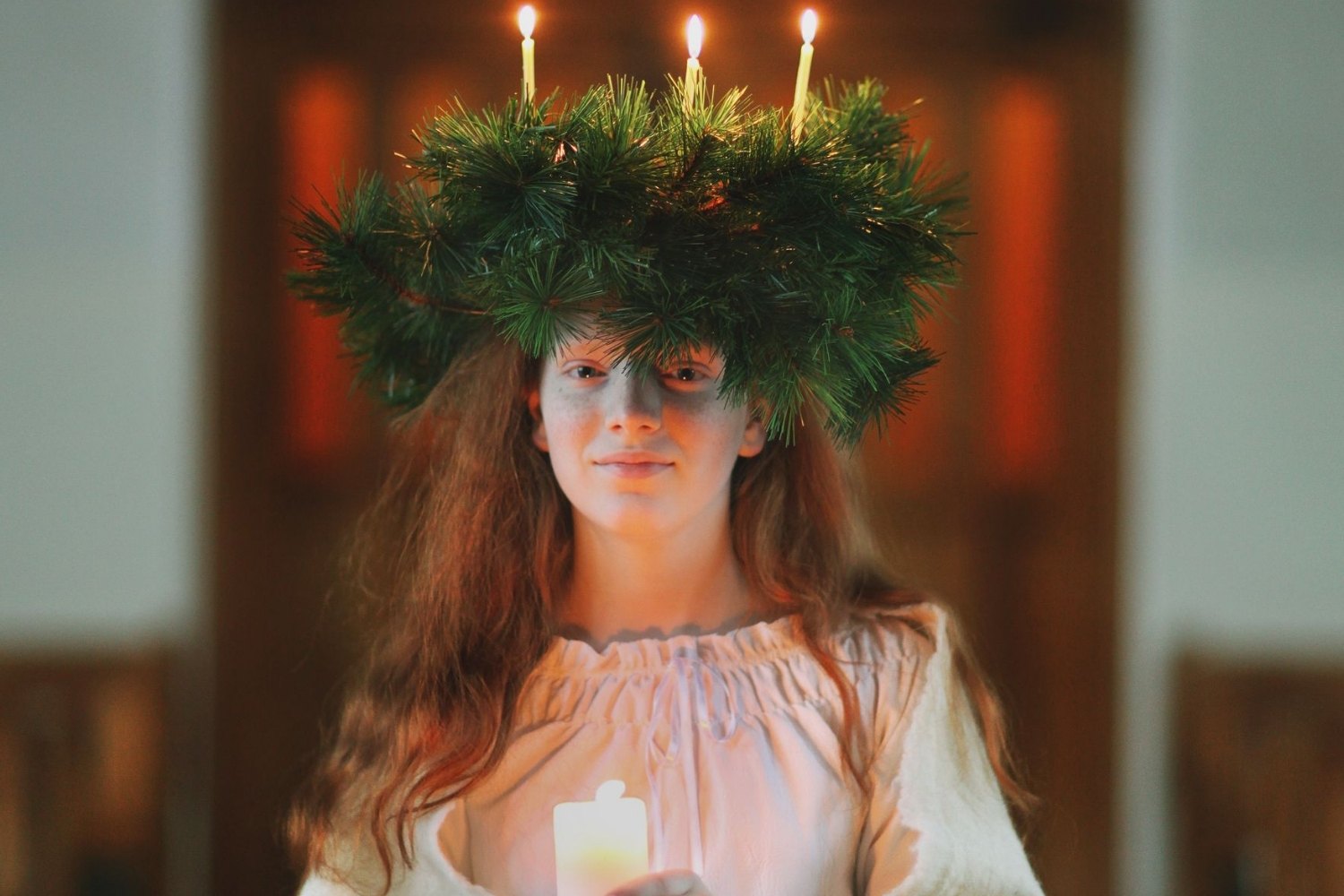
St. Lucia Day, celebrated on December 13th, is a cherished tradition in Sweden and other Scandinavian countries. This festive day honors Saint Lucia, a young Christian martyr known for her unwavering faith and compassion. But why is St. Lucia Day so special? It's a blend of history, culture, and light. Families celebrate with processions, where girls dress in white gowns with red sashes, and one girl is chosen to wear a crown of candles. Boys often dress as "star boys" with cone-shaped hats. Traditional foods like saffron buns and ginger cookies are enjoyed. St. Lucia Day symbolizes hope and light during the darkest time of the year.
What is St. Lucia Day?
St. Lucia Day, celebrated on December 13th, is a cherished holiday in Sweden and other Scandinavian countries. It honors Saint Lucia, a young Christian martyr known for her kindness and bravery. Let's dive into some fascinating facts about this festive day.
-
St. Lucia Day marks the beginning of the Christmas season in Sweden. The holiday is a blend of Christian and pagan traditions.
-
The celebration is named after Saint Lucia of Syracuse, an Italian saint who died in 304 AD. She is remembered for her faith and compassion.
-
Saint Lucia is often depicted wearing a white gown with a red sash and a crown of candles. This symbolizes purity and the light she brought to the darkness.
Traditions and Customs
St. Lucia Day is rich with unique traditions and customs that make it a special occasion. Here are some of the most notable ones.
-
On St. Lucia Day, the eldest daughter in a family typically dresses as Lucia. She wears a white dress, red sash, and a crown of candles.
-
Boys participate in the celebration as "star boys," wearing white robes and pointed hats decorated with stars.
-
The Lucia procession is a highlight of the day. Children walk through schools, hospitals, and homes singing traditional songs.
-
Saffron buns, known as "Lussekatter," are a traditional treat baked and enjoyed on this day. They are shaped like an "S" and often have raisins.
-
Coffee and ginger biscuits are also commonly served during St. Lucia Day celebrations.
Symbolism and Meaning
The symbols and meanings behind St. Lucia Day are deeply rooted in history and culture. Here are some insights.
-
The crown of candles worn by Lucia symbolizes light in the darkness of winter. It represents hope and the promise of brighter days ahead.
-
The red sash worn by Lucia signifies martyrdom and the sacrifices made by Saint Lucia.
-
The white gown represents purity and innocence, reflecting Lucia's virtuous life.
-
The star boys' hats symbolize the stars that guided the Wise Men to Bethlehem.
Historical Significance
Understanding the historical context of St. Lucia Day adds depth to its celebration. Here are some historical facts.
-
St. Lucia Day was first celebrated in Sweden in the late 1700s. It has since become a beloved tradition.
-
The holiday was originally celebrated on the winter solstice, the longest night of the year. This ties into the theme of bringing light to darkness.
-
Saint Lucia's story spread from Italy to Scandinavia through Christian missionaries.
-
The name "Lucia" means "light" in Latin, which is fitting given the holiday's emphasis on light.
Modern Celebrations
St. Lucia Day has evolved over the years, but it remains a cherished holiday. Here are some modern-day practices.
-
Many Swedish towns and cities hold public Lucia processions, with a chosen Lucia leading the way.
-
Schools and workplaces often have their own Lucia celebrations, complete with singing and treats.
-
In some places, Lucia processions are held outdoors, with participants carrying candles to light up the night.
-
Television broadcasts of Lucia processions allow people to enjoy the festivities from home.
Global Influence
While St. Lucia Day is primarily celebrated in Scandinavia, its influence has spread worldwide. Here are some examples.
-
Swedish communities around the world, including in the United States, Canada, and Australia, celebrate St. Lucia Day.
-
In Italy, Saint Lucia is also honored, particularly in Sicily, where she is the patron saint.
-
Some churches in the United States hold Lucia processions to celebrate the holiday.
-
The holiday has inspired various cultural events, including concerts and performances, that highlight Scandinavian traditions.
-
St. Lucia Day has even influenced popular culture, appearing in books, movies, and TV shows.
The Magic of St. Lucia Day
St. Lucia Day, celebrated on December 13th, is a beautiful blend of tradition and culture. This Swedish holiday honors Saint Lucia, a young martyr known for her kindness and bravery. The day is marked by processions featuring girls dressed in white gowns with red sashes, wearing crowns of candles. These processions symbolize the triumph of light over darkness during the long winter nights.
Families come together to enjoy special treats like saffron buns and ginger cookies. The holiday also emphasizes the importance of community and generosity, with many people participating in charitable activities.
St. Lucia Day isn't just a Swedish tradition; it's a celebration of light, hope, and the enduring human spirit. Whether you're Swedish or not, the values and joy this day brings can resonate with everyone. Embrace the warmth and light that St. Lucia Day offers.
Was this page helpful?
Our commitment to delivering trustworthy and engaging content is at the heart of what we do. Each fact on our site is contributed by real users like you, bringing a wealth of diverse insights and information. To ensure the highest standards of accuracy and reliability, our dedicated editors meticulously review each submission. This process guarantees that the facts we share are not only fascinating but also credible. Trust in our commitment to quality and authenticity as you explore and learn with us.