



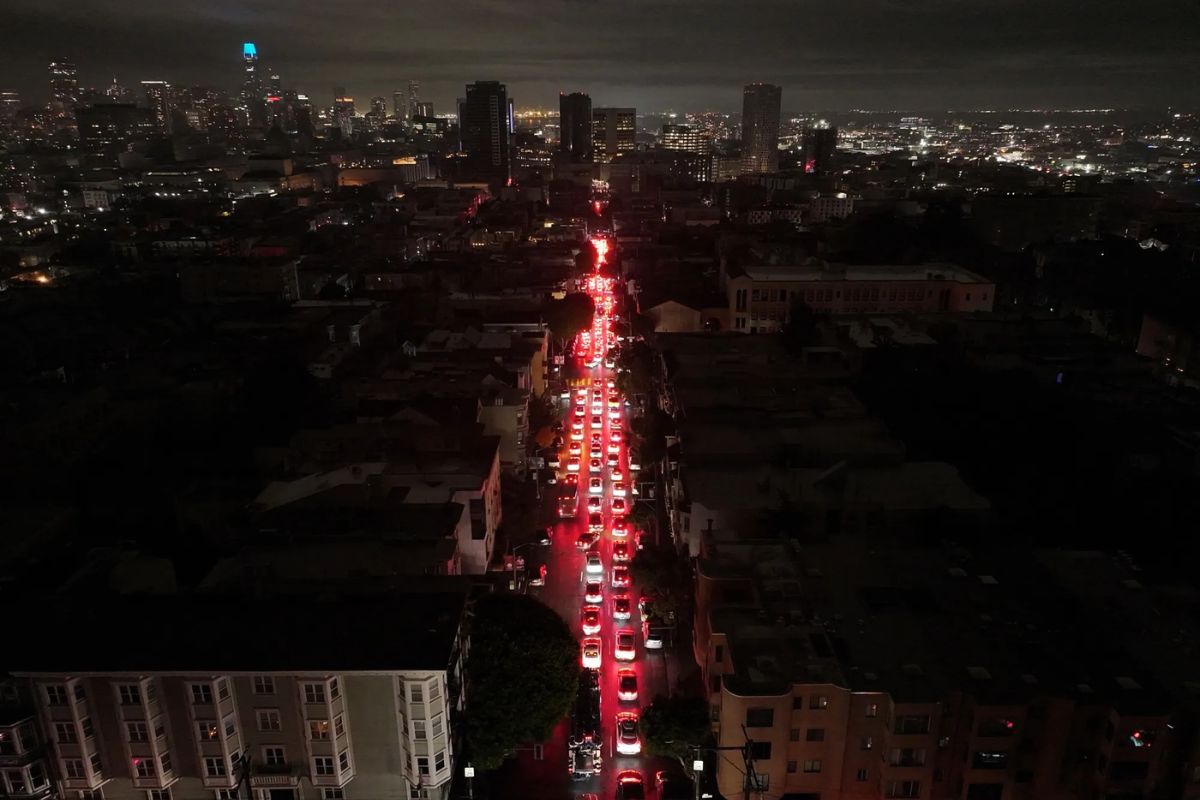
Why do power outages happen in San Francisco? Power outages in San Francisco occur due to various reasons. Weather conditions like heavy rain, strong winds, and fog can damage power lines. Equipment failure is another common cause, where aging infrastructure or technical glitches lead to disruptions. Human error also plays a role, with construction work or accidents sometimes causing unintended outages. Wildfires in surrounding areas can prompt preemptive shutdowns to prevent further damage. Lastly, planned maintenance by utility companies can result in temporary power cuts. Understanding these factors helps residents prepare for and respond to outages more effectively.
San Francisco's Unique Power Grid
San Francisco, known for its iconic Golden Gate Bridge and steep hills, also has a unique power grid. This grid, while robust, has its quirks and challenges. Here are some intriguing facts about power outages in this vibrant city.
-
San Francisco's power grid is over a century old. The city's electrical infrastructure dates back to the early 1900s, making it one of the oldest in the United States. This age can sometimes contribute to outages.
-
The 1989 Loma Prieta earthquake caused a massive blackout. This earthquake led to significant power outages, affecting thousands of residents and businesses.
-
Fog can impact power lines. San Francisco's famous fog can cause moisture to accumulate on power lines, leading to short circuits and outages.
-
The city has a high number of underground power lines. Unlike many cities, a significant portion of San Francisco's power lines are underground, which can help reduce outages caused by weather but complicates repairs.
-
Pacific Gas and Electric (PG&E) is the main utility provider. PG&E supplies electricity to most of San Francisco, and their infrastructure plays a crucial role in the city's power stability.
Causes of Power Outages
Power outages in San Francisco can be caused by various factors, from natural disasters to human error. Here are some common causes:
-
Earthquakes are a major cause of outages. Given San Francisco's location on the San Andreas Fault, earthquakes frequently disrupt power.
-
High winds can knock down power lines. Strong winds, especially during storms, can cause trees to fall on power lines, leading to outages.
-
Animal interference is surprisingly common. Squirrels, birds, and other animals can cause short circuits by coming into contact with electrical equipment.
-
Construction work often leads to accidental outages. Construction crews sometimes accidentally cut power lines, causing localized outages.
-
Equipment failure is a frequent issue. Aging infrastructure and equipment can fail, leading to power disruptions.
Impact on Residents and Businesses
Power outages can have significant effects on both residents and businesses in San Francisco. Here are some ways they are impacted:
-
Traffic lights go out, causing chaos. When power goes out, traffic lights stop working, leading to dangerous intersections and traffic jams.
-
Businesses lose revenue. Retail stores, restaurants, and other businesses can lose significant revenue during power outages.
-
Residents rely on backup generators. Many residents have invested in backup generators to ensure they have power during outages.
-
Hospitals have emergency power systems. Hospitals are equipped with backup generators to ensure critical medical equipment remains operational.
-
Schools may close during extended outages. Power outages can lead to school closures, disrupting education.
Historical Power Outages
San Francisco has experienced several notable power outages throughout its history. Here are some of the most significant:
-
The 2017 blackout affected 88,000 people. A massive power outage in April 2017 left tens of thousands without power for hours.
-
The 2003 blackout was caused by a substation fire. A fire at a substation led to a widespread power outage, affecting much of the city.
-
The 1998 outage was due to a transformer explosion. An explosion at a transformer station caused a major blackout in the city.
-
The 2019 PG&E Public Safety Power Shutoff. In response to wildfire risks, PG&E initiated a planned power shutoff, affecting thousands of residents.
-
The 2020 outage during a heatwave. High temperatures and increased electricity demand led to rolling blackouts in the city.
Efforts to Improve Power Reliability
San Francisco and PG&E have been working to improve the reliability of the power grid. Here are some of their efforts:
-
Upgrading old infrastructure. PG&E has been investing in upgrading aging infrastructure to reduce the risk of outages.
-
Implementing smart grid technology. Smart grid technology helps detect and respond to outages more quickly.
-
Undergrounding more power lines. Efforts are underway to place more power lines underground to protect them from weather-related damage.
-
Increasing renewable energy sources. San Francisco is investing in renewable energy sources like solar and wind to diversify its power supply.
-
Community resilience programs. Programs are in place to help communities prepare for and respond to power outages, ensuring residents have the resources they need.
Final Thoughts on San Francisco Power Outages
San Francisco's power outages are more than just blackouts; they're a mix of history, technology, and community resilience. From the first electric streetlights to modern grid challenges, the city has seen it all. Outages can be caused by anything from weather to equipment failure, but the city's response teams are always on standby. Residents have learned to adapt, using everything from generators to solar panels. Businesses, too, have backup plans to keep operations running smoothly. Understanding these outages helps everyone prepare better and stay safe. So next time the lights flicker, you'll know a bit more about what's going on behind the scenes. Stay informed, stay prepared, and remember, every outage is a chance to learn and improve.
Was this page helpful?
Our commitment to delivering trustworthy and engaging content is at the heart of what we do. Each fact on our site is contributed by real users like you, bringing a wealth of diverse insights and information. To ensure the highest standards of accuracy and reliability, our dedicated editors meticulously review each submission. This process guarantees that the facts we share are not only fascinating but also credible. Trust in our commitment to quality and authenticity as you explore and learn with us.