



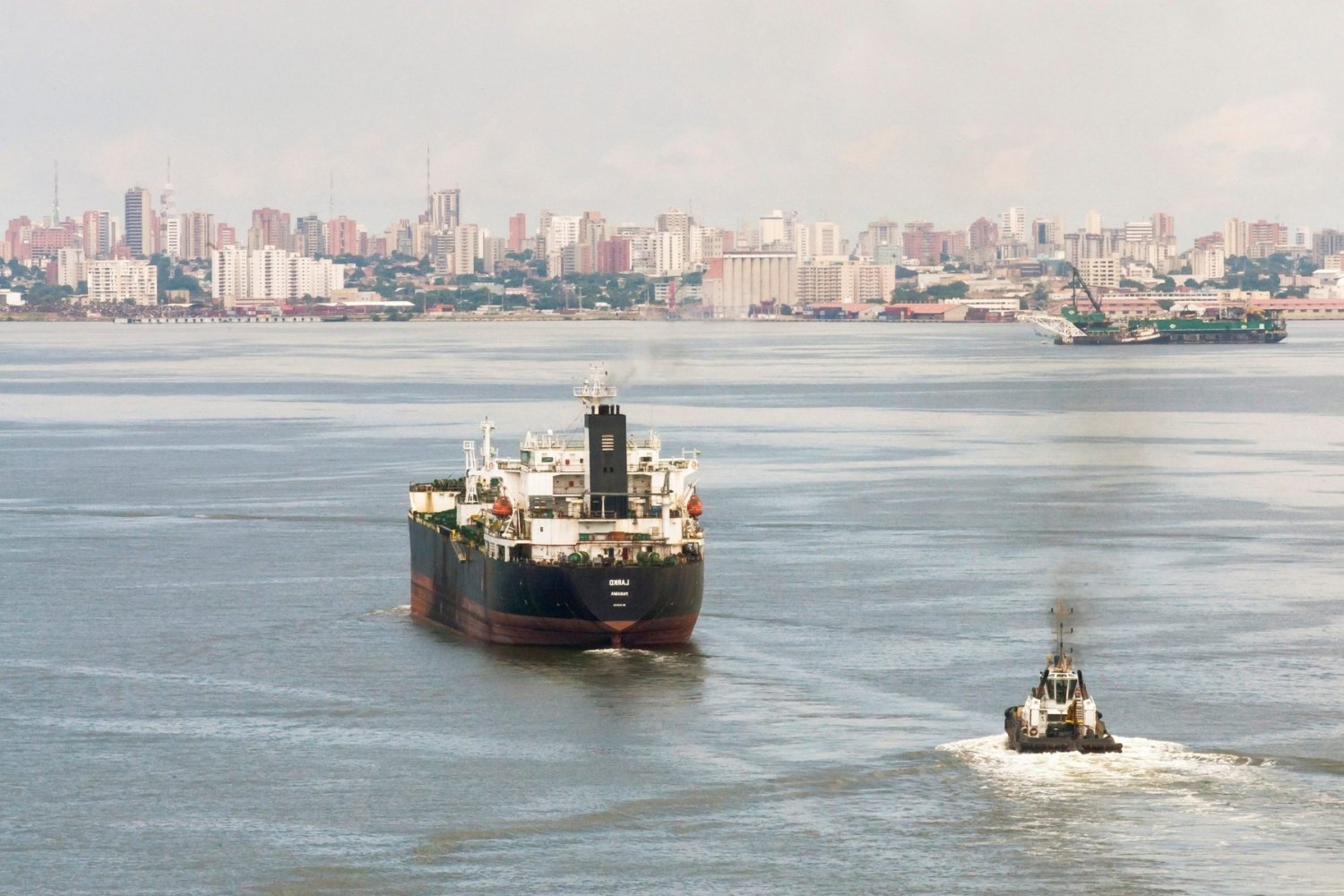
Ever wondered about the massive oil tankers cruising through Venezuelan waters? These colossal vessels play a crucial role in the global oil industry, especially for a country like Venezuela, which boasts some of the largest oil reserves on the planet. But what makes these tankers so fascinating? From their sheer size to their intricate operations, there's a lot to uncover. Did you know that some of these tankers can carry up to 2 million barrels of oil in a single trip? Or that navigating through Venezuela's ports requires expert precision due to their complex layouts? In this post, we'll dive into 25 intriguing facts about these maritime giants, shedding light on their importance, challenges, and the vital role they play in Venezuela's economy. Buckle up for an ocean of information!
Venezuela's Oil Tanker Fleet
Venezuela, a country rich in oil reserves, relies heavily on its fleet of oil tankers for transporting crude oil. These vessels play a crucial role in the nation's economy. Here are some fascinating facts about Venezuela's oil tankers.
-
Venezuela's National Oil Company: Petróleos de Venezuela, S.A. (PDVSA) owns and operates the majority of the country's oil tankers. This state-owned company manages the entire oil supply chain.
-
Fleet Size: PDVSA's fleet includes around 30 oil tankers. These vessels vary in size and capacity, ensuring the efficient transport of oil to various global destinations.
-
Aframax Tankers: Many of Venezuela's oil tankers are Aframax vessels. These tankers can carry between 80,000 and 120,000 deadweight tons (DWT) of crude oil.
-
VLCCs: Venezuela also uses Very Large Crude Carriers (VLCCs). These giants can transport up to 2 million barrels of oil, making them essential for long-haul routes.
-
Age of Fleet: The average age of Venezuela's oil tankers is over 20 years. Older vessels often require more maintenance and are less fuel-efficient.
Economic Impact
Oil tankers are vital to Venezuela's economy, as the country depends on oil exports for revenue. Here are some key facts about the economic impact of these tankers.
-
Revenue Generation: Oil exports account for nearly 90% of Venezuela's total export revenue. Tankers are the primary means of transporting this valuable commodity.
-
Employment: The oil tanker industry provides jobs for thousands of Venezuelans. From ship crews to maintenance workers, many livelihoods depend on this sector.
-
Global Trade: Venezuela exports oil to countries worldwide, including the United States, China, and India. Tankers facilitate this global trade, ensuring a steady flow of revenue.
-
Sanctions: International sanctions have impacted Venezuela's oil tanker operations. Restrictions on trade and finance have made it challenging to maintain and operate the fleet.
-
Oil Price Fluctuations: The global oil market's volatility directly affects Venezuela's economy. Tanker operations must adapt to changing oil prices and demand.
Environmental Concerns
Oil tankers, while essential for Venezuela's economy, also pose environmental risks. Here are some facts about the environmental impact of these vessels.
-
Oil Spills: Tanker accidents can lead to devastating oil spills. These incidents harm marine life and coastal ecosystems, causing long-term damage.
-
Ballast Water: Tankers use ballast water to stabilize their vessels. This water, often discharged in different locations, can introduce invasive species to new environments.
-
Emissions: Oil tankers emit greenhouse gases and other pollutants. These emissions contribute to climate change and air quality issues.
-
Regulations: International regulations, such as MARPOL, aim to reduce the environmental impact of oil tankers. Compliance with these rules is essential for sustainable operations.
-
Double Hulls: Modern tankers are built with double hulls to reduce the risk of oil spills. This design feature provides an extra layer of protection in case of a collision or grounding.
Technological Advancements
Advancements in technology have improved the efficiency and safety of oil tankers. Here are some notable technological developments in Venezuela's tanker fleet.
-
Automation: Modern tankers use automated systems for navigation and cargo management. These technologies enhance safety and operational efficiency.
-
Fuel Efficiency: Newer tankers are designed to be more fuel-efficient. This reduces operational costs and minimizes environmental impact.
-
Satellite Tracking: Satellite technology allows for real-time tracking of oil tankers. This improves fleet management and enhances security.
-
Maintenance: Predictive maintenance technologies help identify potential issues before they become critical. This reduces downtime and extends the lifespan of tankers.
-
Communication: Advanced communication systems enable better coordination between tankers and shore-based operations. This ensures smooth and efficient transport of oil.
Challenges and Future Prospects
Venezuela's oil tanker industry faces several challenges, but there are also opportunities for growth and improvement. Here are some key facts about the future of this sector.
-
Aging Fleet: The aging fleet requires significant investment in maintenance and upgrades. Modernizing the fleet is essential for maintaining operational efficiency.
-
Sanctions Relief: Easing international sanctions could provide a much-needed boost to Venezuela's oil tanker industry. Access to global markets and financing would improve operations.
-
Renewable Energy: The global shift towards renewable energy sources poses a challenge for the oil industry. Diversifying the economy and investing in alternative energy could mitigate this risk.
-
Infrastructure Development: Improving port infrastructure and logistics can enhance the efficiency of oil tanker operations. Investments in this area are crucial for future growth.
-
International Partnerships: Collaborating with international partners can provide access to new technologies and markets. These partnerships can help Venezuela's oil tanker industry thrive in a competitive global market.
The Final Word on Oil Tankers in Venezuela
Oil tankers play a crucial role in Venezuela's economy. These massive vessels transport millions of barrels of oil daily, keeping the global energy market humming. Despite challenges like political instability and economic sanctions, Venezuela remains a key player in the oil industry. The country's vast oil reserves make it a significant contributor to global supply.
Understanding the complexities of oil tankers helps appreciate their importance. From their sheer size to the logistics involved in their operation, these ships are marvels of modern engineering. They navigate treacherous waters, face environmental concerns, and require meticulous planning.
Venezuela's oil tankers are more than just vessels; they're lifelines for the nation's economy. They symbolize resilience and the ongoing struggle to maintain a foothold in the global market. As you can see, oil tankers are vital to Venezuela and the world.
Was this page helpful?
Our commitment to delivering trustworthy and engaging content is at the heart of what we do. Each fact on our site is contributed by real users like you, bringing a wealth of diverse insights and information. To ensure the highest standards of accuracy and reliability, our dedicated editors meticulously review each submission. This process guarantees that the facts we share are not only fascinating but also credible. Trust in our commitment to quality and authenticity as you explore and learn with us.