



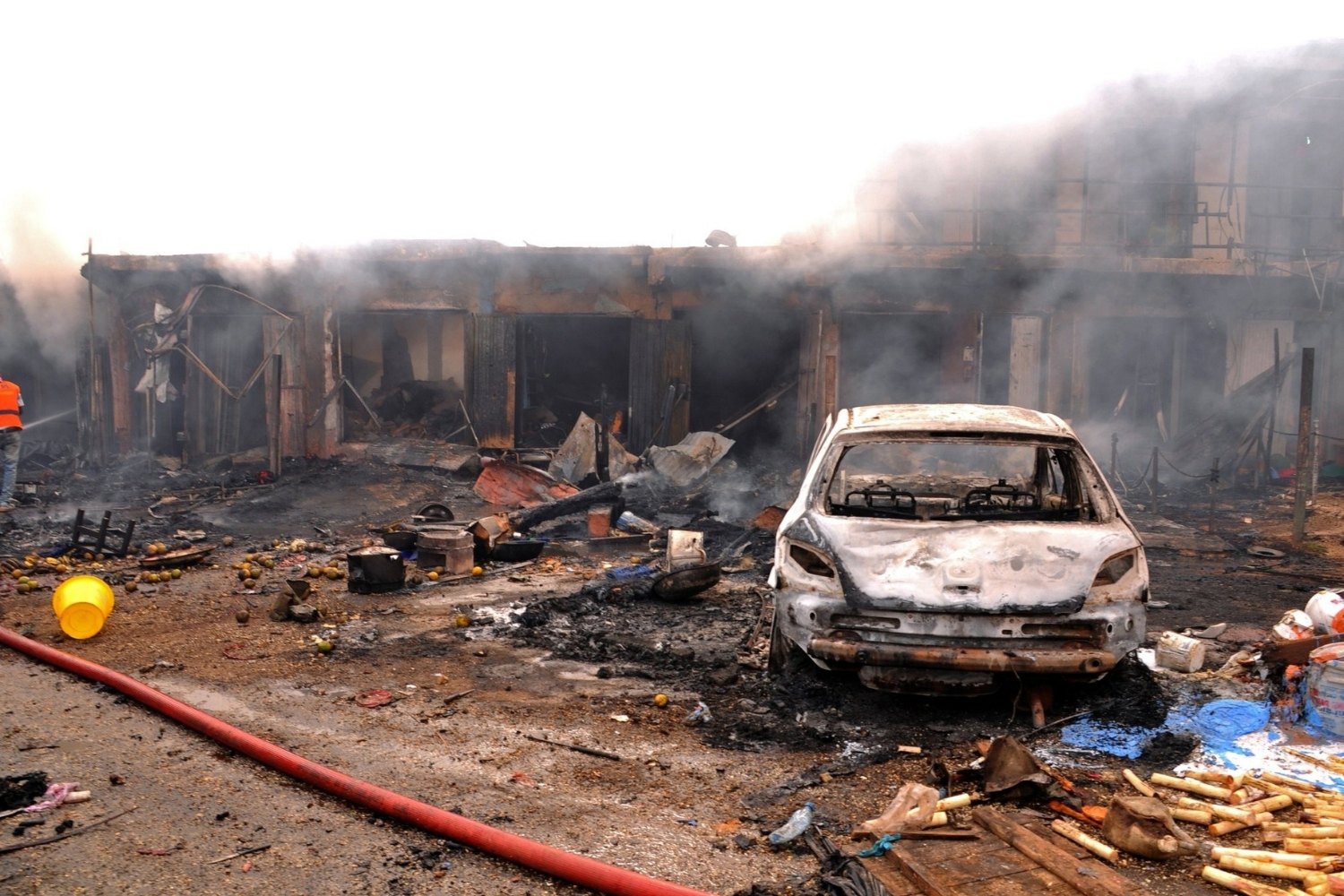
Why are there so many bombings in Nigeria? Nigeria, Africa's most populous country, faces a complex web of challenges. Terrorist groups like Boko Haram and ISWAP (Islamic State West Africa Province) have been active for years, causing widespread violence. Ethnic and religious tensions also play a significant role, often leading to clashes and unrest. Political instability and corruption further exacerbate the situation, making it difficult to maintain law and order. Economic disparities and high unemployment rates contribute to the frustration and anger among the youth, making them susceptible to radicalization. Geographical factors like porous borders allow easy movement of arms and militants. Understanding these factors is crucial to grasp the full picture of Nigeria's ongoing security issues.
The History of Nigeria Bombings
Nigeria has faced numerous bombings over the years, impacting its people and infrastructure. Understanding the history behind these events can provide insight into the country's struggles and resilience.
-
The first major bombing in Nigeria occurred in 1986 when journalist Dele Giwa was killed by a parcel bomb. This incident shocked the nation and marked the beginning of a series of violent attacks.
-
In 2010, Nigeria experienced one of its deadliest bombings during the Independence Day celebrations in Abuja. Twin car bombs exploded, killing 12 people and injuring many others.
-
Boko Haram, an extremist group, has been responsible for numerous bombings in Nigeria. Founded in 2002, the group gained international notoriety for its violent tactics and bombings.
-
The 2011 United Nations building bombing in Abuja was a significant attack by Boko Haram. A suicide bomber drove a car filled with explosives into the building, killing 21 people and injuring over 60.
Impact on Society
Bombings have left a lasting impact on Nigerian society, affecting daily life, security measures, and the economy.
-
Bombings have led to increased security measures in public places, including shopping malls, markets, and government buildings. Metal detectors and security checks have become commonplace.
-
The constant threat of bombings has created a climate of fear and anxiety among Nigerians. People are often wary of crowded places and public transportation.
-
Bombings have disrupted education in Nigeria, with many schools being targeted. In 2014, Boko Haram bombed a school in Potiskum, killing 47 students and injuring 79 others.
-
The economic impact of bombings is significant. Businesses suffer losses due to damaged infrastructure and decreased consumer confidence.
Government Response
The Nigerian government has taken various steps to combat bombings and improve security.
-
The government established the Joint Task Force (JTF) to combat terrorism and insurgency in the country. The JTF has been instrumental in countering Boko Haram's activities.
-
In 2013, Nigeria declared a state of emergency in three northeastern states: Borno, Yobe, and Adamawa. This move aimed to curb the activities of Boko Haram and restore order.
-
The Nigerian government has sought international assistance in combating terrorism. Countries like the United States and the United Kingdom have provided support in the form of training, equipment, and intelligence sharing.
-
Efforts to deradicalize and rehabilitate former Boko Haram members have been implemented. These programs aim to reintegrate ex-combatants into society and reduce the likelihood of future attacks.
Notable Bombings
Several bombings in Nigeria have garnered international attention due to their scale and impact.
-
The 2014 Nyanya bus station bombing in Abuja killed 88 people and injured over 200. This attack highlighted the vulnerability of public transportation systems.
-
In 2015, two bombings in the city of Jos killed 44 people and injured 67. These attacks targeted a mosque and a restaurant, demonstrating the indiscriminate nature of the violence.
-
The 2016 Maiduguri bombing targeted a refugee camp, killing at least 85 people. This attack underscored the challenges faced by internally displaced persons in Nigeria.
-
In 2017, a suicide bombing at a mosque in Mubi killed 50 people. The attacker detonated the explosives during morning prayers, causing widespread devastation.
The Role of Boko Haram
Boko Haram has been a major player in the bombings that have plagued Nigeria.
-
Boko Haram's name translates to "Western education is forbidden." The group opposes Western influence and aims to establish an Islamic state in Nigeria.
-
The group's bombings often target government buildings, schools, and places of worship. These attacks are intended to undermine the government's authority and spread fear.
-
Boko Haram has used female suicide bombers in many of its attacks. This tactic has shocked the world and highlighted the group's willingness to exploit vulnerable individuals.
-
The group's leader, Abubakar Shekau, has been a driving force behind its violent activities. Shekau's leadership has been marked by a ruthless approach to achieving the group's goals.
International Reactions
The international community has responded to Nigeria's bombings with concern and support.
-
The United Nations has condemned the bombings and called for increased efforts to combat terrorism in Nigeria. The organization has also provided humanitarian aid to affected communities.
-
Countries like the United States have designated Boko Haram as a terrorist organization. This designation has facilitated international cooperation in countering the group's activities.
-
International NGOs have played a crucial role in providing relief to victims of bombings. Organizations like the Red Cross have offered medical assistance, food, and shelter to those affected.
-
The global media has brought attention to Nigeria's bombings, raising awareness about the country's challenges. This coverage has helped garner international support for Nigeria's fight against terrorism.
Moving Forward
Despite the challenges, Nigeria continues to strive for peace and stability.
- Efforts to rebuild and rehabilitate communities affected by bombings are ongoing. These initiatives aim to restore normalcy and provide hope for a brighter future.
Final Thoughts on Nigeria Bombings
Understanding the facts about Nigeria bombings sheds light on the complexities of the region. These incidents have deep historical roots and significant impacts on the local population. Knowing the key players involved, the reasons behind the attacks, and the efforts to combat terrorism helps us grasp the broader picture.
The resilience of the Nigerian people amidst these challenges is remarkable. Efforts by the government, international organizations, and local communities aim to bring peace and stability. Awareness and education are crucial in supporting these endeavors.
By staying informed, we can contribute to global conversations about peace and security. The journey to a safer Nigeria is ongoing, but every bit of knowledge helps. Stay curious, stay informed, and let’s hope for a brighter future for Nigeria.
Was this page helpful?
Our commitment to delivering trustworthy and engaging content is at the heart of what we do. Each fact on our site is contributed by real users like you, bringing a wealth of diverse insights and information. To ensure the highest standards of accuracy and reliability, our dedicated editors meticulously review each submission. This process guarantees that the facts we share are not only fascinating but also credible. Trust in our commitment to quality and authenticity as you explore and learn with us.