



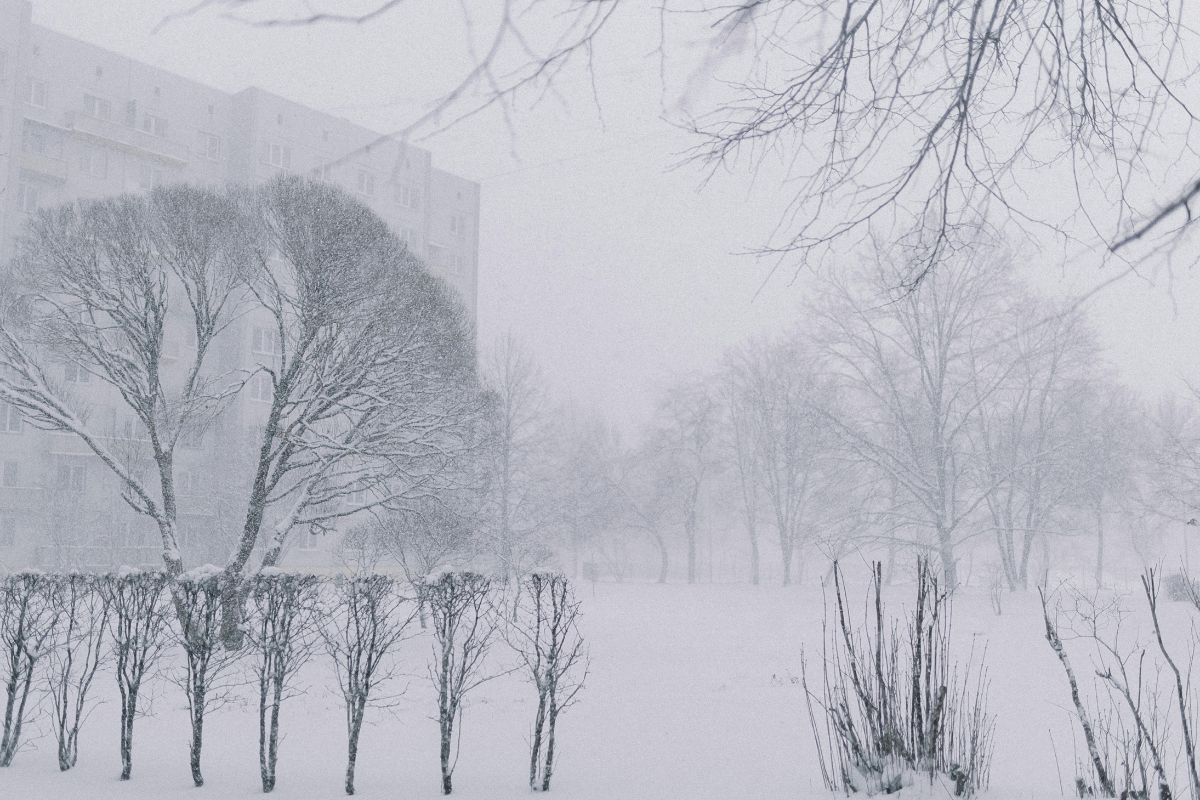
Winter storms can be both beautiful and dangerous. Ever wondered what makes these icy tempests tick? Winter storms form when cold air meets moist air, creating snow, sleet, or freezing rain. They can cause power outages, disrupt travel, and even lead to frostbite or hypothermia. But did you know that winter storms can also bring about stunning natural phenomena like snowflakes, each with its unique pattern? Or that the largest snowflake ever recorded was 15 inches wide? Winter storms are more than just cold weather; they’re a mix of science and wonder. Buckle up as we explore 25 fascinating facts about these chilly marvels.
What Are Winter Storms?
Winter storms are powerful weather events that bring heavy snow, ice, and freezing temperatures. They can disrupt daily life, cause power outages, and create hazardous travel conditions. Understanding these storms can help you stay safe and prepared.
- Winter storms form when moist air rises and cools, causing precipitation to fall as snow or ice.
- Nor'easters are a type of winter storm that affects the northeastern United States, bringing heavy snow and strong winds.
- Blizzards are severe winter storms characterized by low visibility, strong winds, and heavy snowfall.
- Ice storms occur when rain freezes upon contact with cold surfaces, creating a layer of ice that can damage trees and power lines.
- Lake-effect snow happens when cold air moves over warmer lake water, picking up moisture and dumping it as snow on the downwind shores.
Historical Winter Storms
Throughout history, some winter storms have left a significant impact due to their severity and the challenges they posed.
- The Great Blizzard of 1888 paralyzed the northeastern United States, dumping up to 50 inches of snow in some areas.
- The Storm of the Century in 1993 affected 26 states, causing $5.5 billion in damages and killing 270 people.
- The Blizzard of 1978 hit the Midwest and Northeast, stranding thousands of people and causing widespread power outages.
- The Ice Storm of 1998 affected parts of Canada and the northeastern United States, leaving millions without power for days.
- The Snowmageddon of 2010 brought record snowfall to the Mid-Atlantic region, shutting down cities and airports.
Effects on Daily Life
Winter storms can disrupt daily routines and create dangerous conditions. Knowing how they affect various aspects of life can help you prepare.
- Heavy snowfall can close schools and businesses, forcing people to stay home.
- Icy roads increase the risk of car accidents, making travel hazardous.
- Power outages caused by downed power lines can leave homes without heat and electricity.
- Snow and ice can damage roofs, causing leaks and structural issues.
- Winter storms can delay flights and disrupt travel plans, stranding passengers at airports.
How to Stay Safe During Winter Storms
Preparation and awareness are key to staying safe during winter storms. Here are some tips to help you weather the storm.
- Keep an emergency kit with food, water, blankets, and a flashlight in case of power outages.
- Stay indoors during severe storms to avoid exposure to cold temperatures and dangerous conditions.
- Dress in layers to stay warm and protect against frostbite and hypothermia.
- Use caution when shoveling snow to avoid overexertion and injuries.
- Keep your car's gas tank full and carry a winter survival kit in case you get stranded.
Interesting Winter Storm Facts
Winter storms have some fascinating aspects that might surprise you. Here are a few intriguing facts.
- Thundersnow is a rare phenomenon where thunder and lightning occur during a snowstorm.
- Snowflakes are unique, with no two snowflakes having the same shape.
- The largest snowflake on record measured 15 inches wide and 8 inches thick.
- Snow can act as an insulator, keeping the ground and plants warmer during cold weather.
- The coldest temperature ever recorded in the United States was -80°F in Prospect Creek, Alaska, during a winter storm in 1971.
Winter Storms: Nature's Icy Marvels
Winter storms are more than just cold weather. They bring snow, ice, and wind that can transform landscapes and challenge daily life. These storms can create stunning snow-covered scenes but also cause power outages, traffic accidents, and school closures. Understanding the science behind them helps us prepare and stay safe. From the formation of snowflakes to the impact on wildlife, winter storms are a reminder of nature's power and beauty. They highlight the importance of weather forecasting and community preparedness. Next time a winter storm hits, you'll know it's more than just a chilly inconvenience. It's a complex natural event with fascinating facts and significant effects. Stay warm, stay safe, and appreciate the wonder of winter storms.
Was this page helpful?
Our commitment to delivering trustworthy and engaging content is at the heart of what we do. Each fact on our site is contributed by real users like you, bringing a wealth of diverse insights and information. To ensure the highest standards of accuracy and reliability, our dedicated editors meticulously review each submission. This process guarantees that the facts we share are not only fascinating but also credible. Trust in our commitment to quality and authenticity as you explore and learn with us.