



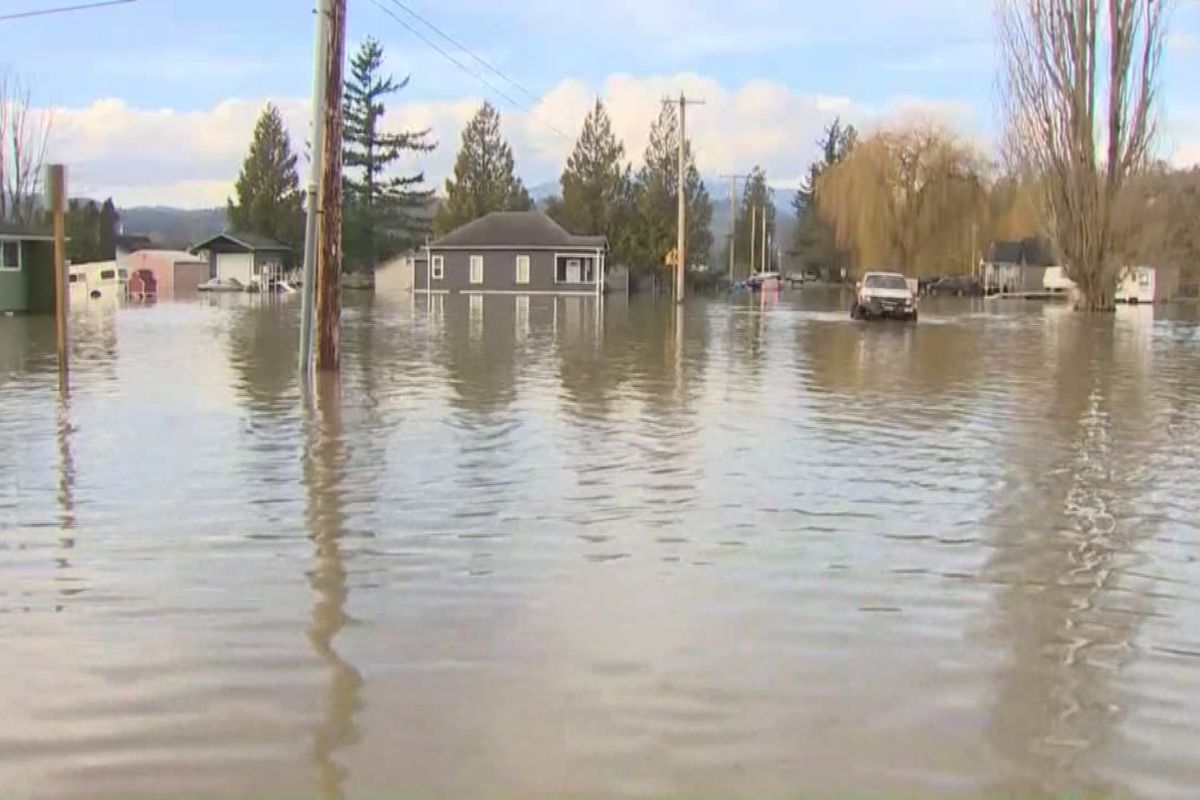
Whatcom County floods have been a significant part of local history, shaping the landscape and impacting communities. Did you know that the Nooksack River, a major waterway in the area, has been the source of many of these floods? Flooding events here can be traced back to the early 1900s, with some of the most severe occurring in recent decades. Residents often face challenges like property damage, road closures, and disruptions to daily life. Efforts to manage and mitigate these floods have included building levees, improving drainage systems, and community preparedness programs. Understanding the history and impact of these floods is crucial for anyone living in or visiting Whatcom County. Let's dive into 25 fascinating facts about these natural events and how they have shaped the region.
Whatcom County's Flood History
Floods have shaped Whatcom County's landscape and community for centuries. These natural events have left a significant mark on the region, influencing everything from infrastructure to local culture.
-
The Nooksack River is the primary source of flooding in Whatcom County. Heavy rainfall and snowmelt often cause the river to overflow its banks.
-
The largest recorded flood in Whatcom County occurred in November 1990. This flood caused extensive damage to homes, businesses, and infrastructure.
-
Floods in Whatcom County are most common during the fall and winter months. This period coincides with the region's rainy season and increased snowmelt.
-
The 1990 flood led to the evacuation of over 1,000 residents. Emergency services worked tirelessly to ensure the safety of those affected.
-
Flooding in Whatcom County has led to significant changes in local building codes. New regulations aim to minimize damage and improve safety in flood-prone areas.
Environmental Impact of Floods
Floods can have a profound impact on the environment, affecting everything from wildlife habitats to water quality.
-
Floodwaters often carry pollutants and debris, which can contaminate local waterways. This contamination can harm fish and other aquatic life.
-
Flooding can lead to soil erosion, which can damage agricultural land. Farmers in Whatcom County have had to adapt their practices to mitigate these effects.
-
Wetlands in Whatcom County play a crucial role in flood management. These natural areas help absorb excess water and reduce the severity of floods.
-
Floods can disrupt local ecosystems, displacing wildlife and altering habitats. Recovery can take years, depending on the severity of the flood.
-
The Nooksack River's floodplain is home to several endangered species. Flooding can pose a significant threat to their survival.
Economic Consequences of Flooding
Floods can have a devastating impact on the local economy, affecting businesses, infrastructure, and property values.
-
The 1990 flood caused an estimated $50 million in damages. This figure includes damage to homes, businesses, and public infrastructure.
-
Flood insurance is a critical consideration for homeowners in Whatcom County. Many residents have learned the hard way about the importance of adequate coverage.
-
Floods can disrupt local businesses, leading to lost revenue and increased costs. Some businesses never fully recover from the financial impact.
-
Infrastructure damage from floods can be extensive. Roads, bridges, and utilities often require significant repairs, which can be costly and time-consuming.
-
Property values in flood-prone areas can be negatively affected. Potential buyers may be wary of purchasing homes in these regions.
Community Response and Preparedness
The community's response to flooding is crucial in minimizing damage and ensuring the safety of residents.
-
Whatcom County has a comprehensive flood response plan. This plan includes early warning systems, evacuation routes, and emergency shelters.
-
Community volunteers play a vital role in flood response efforts. Their assistance can make a significant difference in the aftermath of a flood.
-
Education and awareness programs help residents prepare for floods. These programs provide valuable information on how to protect homes and families.
-
Sandbagging is a common practice in Whatcom County during floods. Residents and volunteers work together to create barriers that help protect properties.
-
Local government agencies coordinate closely with state and federal organizations. This collaboration ensures a more effective response to flooding events.
Long-term Effects of Flooding
The long-term effects of flooding can be felt for years, impacting everything from mental health to community development.
-
Flood survivors often experience significant stress and anxiety. Mental health support is an essential part of the recovery process.
-
Rebuilding after a flood can take years. Some communities in Whatcom County are still recovering from past floods.
-
Floods can lead to changes in land use and development. Areas that are repeatedly affected by floods may be designated as non-buildable.
-
Community resilience is strengthened through shared experiences. Floods often bring residents together, fostering a sense of unity and cooperation.
-
Advances in technology are improving flood prediction and response. Better forecasting and early warning systems can help mitigate the impact of future floods.
Final Thoughts on Whatcom County Floods
Floods in Whatcom County have shaped the region's history and landscape. From the devastating floods of 1990 to the more recent ones, these natural events have tested the resilience of the community. Understanding the causes, impacts, and responses to these floods helps residents prepare better for future events. Flood management strategies, like improved infrastructure and early warning systems, play a crucial role in minimizing damage. Community efforts, including volunteer work and local government initiatives, have been vital in recovery and rebuilding. Staying informed and prepared can make a significant difference in how individuals and the community as a whole handle these challenging situations. Floods are a part of Whatcom County's reality, but with knowledge and preparedness, their impact can be mitigated.
Was this page helpful?
Our commitment to delivering trustworthy and engaging content is at the heart of what we do. Each fact on our site is contributed by real users like you, bringing a wealth of diverse insights and information. To ensure the highest standards of accuracy and reliability, our dedicated editors meticulously review each submission. This process guarantees that the facts we share are not only fascinating but also credible. Trust in our commitment to quality and authenticity as you explore and learn with us.