



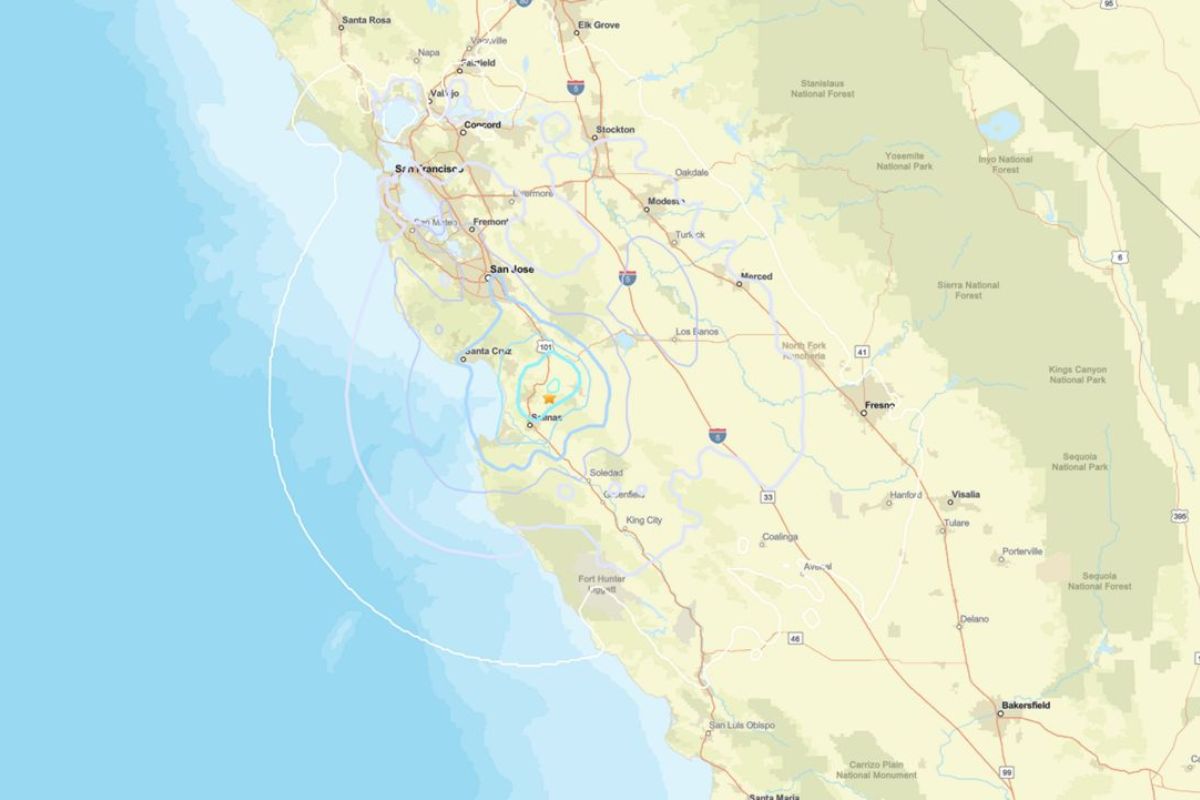
What caused the Salinas Earthquake? The Salinas Earthquake was triggered by the movement of tectonic plates along the San Andreas Fault. This fault is a major boundary between the Pacific and North American plates. When these plates grind against each other, stress builds up until it's released as seismic energy, causing an earthquake. The Salinas Earthquake is a stark reminder of the power of natural forces and the importance of understanding our planet's geology. Knowing the causes helps in preparing for future events and minimizing damage. Let's dive into 25 fascinating facts about this significant seismic event.
The Salinas Earthquake: A Brief Overview
The Salinas Earthquake is a significant event that has left an indelible mark on the history of California. This seismic event not only shook the ground but also the lives of many residents. Here are some fascinating facts about this natural phenomenon.
The Magnitude and Impact
Understanding the magnitude and impact of the Salinas Earthquake helps grasp the scale of this event.
- The Salinas Earthquake registered a magnitude of 6.5 on the Richter scale, making it a major earthquake.
- It occurred on October 17, 1989, at 5:04 PM local time.
- The epicenter was located near Loma Prieta Peak in the Santa Cruz Mountains.
- The earthquake lasted approximately 15 seconds, but its effects were felt for much longer.
- It caused an estimated $6 billion in damages across the region.
Human and Structural Toll
The human and structural toll of the earthquake was immense, affecting thousands of lives and buildings.
- Sixty-three people lost their lives due to the earthquake.
- Over 3,700 people were injured, some critically.
- Approximately 12,000 homes were damaged or destroyed.
- Around 2,600 businesses suffered significant damage.
- The Cypress Street Viaduct in Oakland collapsed, causing 42 fatalities.
Infrastructure and Transportation
The earthquake had a profound impact on infrastructure and transportation, disrupting daily life and commerce.
- The Bay Bridge suffered a 50-foot section collapse, leading to one fatality.
- Several major highways, including Highway 17, were closed due to landslides and structural damage.
- The earthquake caused extensive damage to the San Francisco-Oakland Bay Bridge, which took a month to repair.
- Public transportation systems, including BART, were temporarily shut down for inspections and repairs.
- The Port of Oakland experienced significant disruptions, affecting shipping and trade.
Emergency Response and Recovery
The emergency response and recovery efforts showcased the resilience and solidarity of the affected communities.
- Over 20,000 people were displaced and sought temporary shelter.
- The Federal Emergency Management Agency (FEMA) provided substantial aid and resources for recovery.
- Local fire departments and emergency services worked tirelessly to rescue trapped individuals.
- The National Guard was deployed to assist with rescue and relief operations.
- Community centers and schools served as makeshift shelters for displaced residents.
Long-term Effects and Lessons Learned
The long-term effects and lessons learned from the Salinas Earthquake have influenced building codes and emergency preparedness.
- California implemented stricter building codes to improve earthquake resistance.
- The earthquake highlighted the importance of retrofitting older buildings to withstand seismic activity.
- Emergency preparedness programs were enhanced, emphasizing the need for community readiness.
- The event led to increased research and funding for earthquake prediction and monitoring technologies.
- Public awareness campaigns educated residents on earthquake safety and preparedness measures.
The Salinas Earthquake remains a pivotal event in California's history, reminding everyone of the power of nature and the importance of preparedness.
The Lasting Impact of the Salinas Earthquake
The Salinas Earthquake left a significant mark on both the landscape and the community. Buildings crumbled, roads cracked, and lives were forever changed. Despite the devastation, the resilience of the people shone through. They rebuilt homes, businesses, and infrastructure with determination and hope.
Emergency services improved their response strategies, and building codes were updated to withstand future quakes. The event also sparked a greater awareness of earthquake preparedness, leading to more drills and safety measures in schools and workplaces.
The earthquake served as a stark reminder of nature's power but also highlighted human strength and unity. Communities came together, offering support and resources to those in need. The lessons learned from this disaster continue to shape how we prepare for and respond to natural calamities, ensuring a safer future for everyone.
Was this page helpful?
Our commitment to delivering trustworthy and engaging content is at the heart of what we do. Each fact on our site is contributed by real users like you, bringing a wealth of diverse insights and information. To ensure the highest standards of accuracy and reliability, our dedicated editors meticulously review each submission. This process guarantees that the facts we share are not only fascinating but also credible. Trust in our commitment to quality and authenticity as you explore and learn with us.