



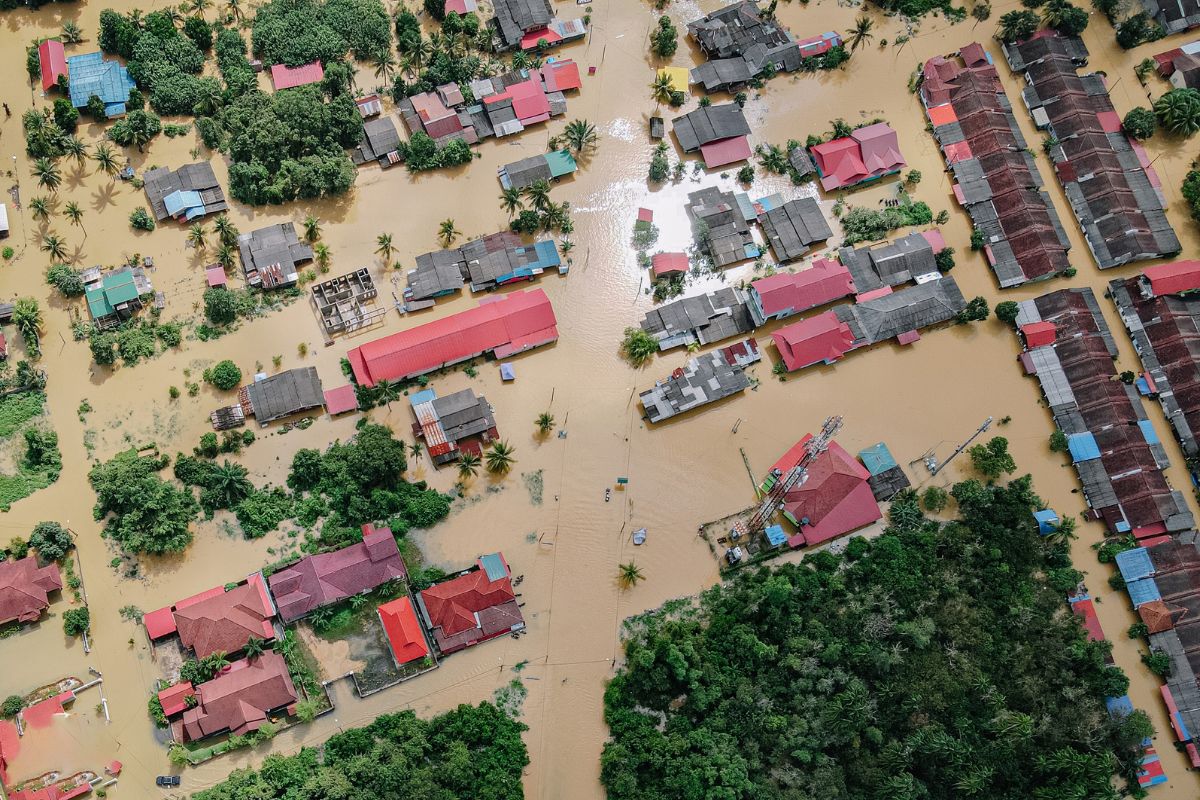
Floods are among the most devastating natural disasters, affecting millions worldwide. But what exactly makes them so dangerous? Severe flood risk isn't just about water levels rising; it involves a mix of factors like geography, climate change, and human activity. Understanding these elements can help communities prepare and respond more effectively. For instance, did you know that urban areas are more prone to flooding due to concrete surfaces that prevent water absorption? Or that climate change is increasing the frequency and intensity of storms, leading to more severe floods? Knowing these facts can make a huge difference in how we approach flood prevention and safety. Ready to learn more? Let's dive into 25 crucial facts about severe flood risk.
Understanding Severe Flood Risk
Flooding is a natural disaster that can cause significant damage to communities, infrastructure, and the environment. Understanding the risks associated with severe flooding is crucial for preparedness and mitigation efforts. Here are some important facts to consider:
-
Floods are the most common natural disaster worldwide, affecting millions of people each year.
-
Flash floods can occur within minutes or hours of excessive rainfall, dam breaks, or sudden release of water.
-
Coastal flooding is often caused by storm surges from hurricanes or tropical storms, leading to significant damage in coastal areas.
-
River floods happen when rivers overflow their banks due to prolonged rainfall or snowmelt.
-
Urban areas are particularly vulnerable to flooding due to the high concentration of impermeable surfaces like roads and buildings.
Causes of Severe Flooding
Flooding can result from various natural and human-induced factors. Understanding these causes can help in developing effective prevention and response strategies.
-
Heavy rainfall is the primary cause of most floods, overwhelming drainage systems and causing rivers to overflow.
-
Snowmelt floods occur when large amounts of snow melt rapidly, increasing water levels in rivers and streams.
-
Hurricanes and tropical storms can bring intense rainfall and storm surges, leading to widespread flooding.
-
Dam failures can release large volumes of water, causing sudden and severe flooding downstream.
-
Deforestation reduces the land's ability to absorb water, increasing the risk of floods.
Impact of Severe Flooding
The consequences of severe flooding can be devastating, affecting various aspects of life and the environment.
-
Floods can cause significant damage to homes, businesses, and infrastructure, leading to costly repairs and economic losses.
-
Contaminated floodwaters can pose serious health risks, spreading diseases and pollutants.
-
Agricultural lands can be severely impacted by floods, destroying crops and livestock, leading to food shortages.
-
Flooding can disrupt transportation networks, making it difficult for emergency services to reach affected areas.
-
The psychological impact of flooding can be profound, causing stress, anxiety, and trauma among affected individuals.
Flood Risk Management
Effective flood risk management involves a combination of preparedness, response, and mitigation strategies to reduce the impact of flooding.
-
Early warning systems can provide crucial information to communities, allowing them to take necessary precautions before a flood occurs.
-
Building flood defenses, such as levees and floodwalls, can help protect vulnerable areas from flooding.
-
Implementing proper land-use planning and zoning regulations can reduce the risk of flooding in urban areas.
-
Restoring wetlands and natural floodplains can help absorb excess water and reduce flood risk.
-
Community education and awareness programs can empower individuals to take proactive measures to protect themselves and their property from floods.
Climate Change and Flood Risk
Climate change is expected to exacerbate flood risks, making it essential to understand its impact on flooding patterns.
-
Rising sea levels due to climate change increase the risk of coastal flooding, threatening coastal communities.
-
Increased frequency and intensity of extreme weather events, such as heavy rainfall and hurricanes, can lead to more frequent and severe floods.
-
Changes in precipitation patterns can result in more prolonged and intense rainfall, increasing the likelihood of river and flash floods.
-
Melting glaciers and ice caps contribute to rising sea levels and increased water flow in rivers, heightening flood risks.
-
Climate change can also affect the timing and intensity of snowmelt, leading to unpredictable flooding patterns in mountainous regions.
The Final Word on Flood Risks
Flood risks are no joke. They can cause massive damage, disrupt lives, and even lead to loss of life. Knowing the facts about severe flood risks helps you prepare better. Whether it's understanding flood zones, knowing the signs of a flood, or having an emergency plan, every bit of knowledge counts. Floods can happen anywhere, so staying informed is crucial. Remember, preparation is key. Have an emergency kit ready, know your evacuation routes, and stay updated with weather alerts. Don't wait for a flood to happen to take action. Be proactive, stay safe, and protect your home and loved ones. Flood risks are serious, but with the right information and preparation, you can minimize their impact. Stay vigilant, stay prepared, and you'll be ready to face any flood risk that comes your way.
Was this page helpful?
Our commitment to delivering trustworthy and engaging content is at the heart of what we do. Each fact on our site is contributed by real users like you, bringing a wealth of diverse insights and information. To ensure the highest standards of accuracy and reliability, our dedicated editors meticulously review each submission. This process guarantees that the facts we share are not only fascinating but also credible. Trust in our commitment to quality and authenticity as you explore and learn with us.