



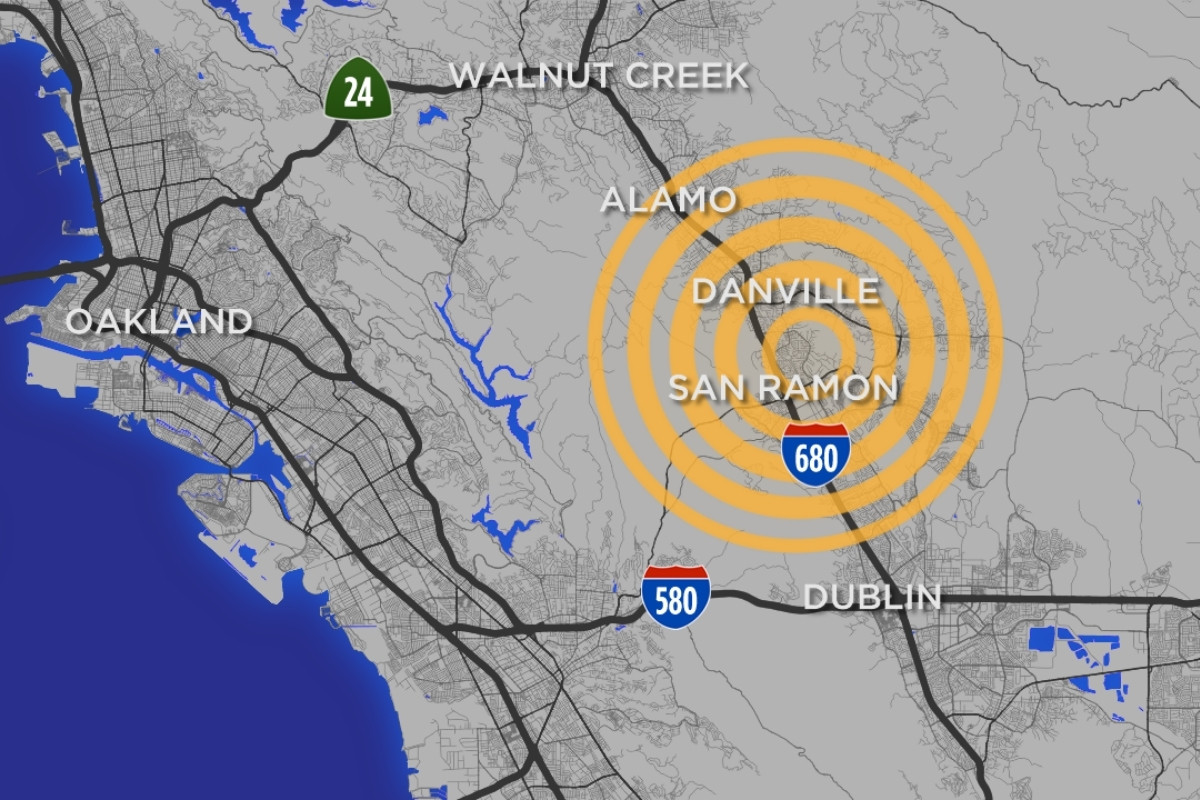
Did you know that San Ramon, California, experiences frequent earthquakes? This city, nestled in the East Bay region of the San Francisco Bay Area, sits on the Calaveras Fault, making it a hotspot for seismic activity. While most quakes are minor, they serve as a constant reminder of the powerful forces beneath our feet. Understanding these tremors can help residents prepare for the unexpected. From the history of significant quakes to safety tips, this article covers 25 intriguing facts about San Ramon earthquakes. Whether you're a local or just curious, these insights will shake up your knowledge about this seismic hotspot.
San Ramon's Seismic Activity
San Ramon, California, is known for its picturesque landscapes and vibrant community. However, the region is also notable for its seismic activity. Here are some fascinating facts about earthquakes in San Ramon.
- San Ramon sits on the Calaveras Fault, a major branch of the San Andreas Fault system.
- The Calaveras Fault is responsible for many of the region's earthquakes.
- San Ramon experienced a significant earthquake swarm in 2015, with over 400 small quakes in just a few weeks.
- Earthquake swarms are clusters of quakes that occur in a short period, often without a single, large mainshock.
- The largest quake in the 2015 swarm was a magnitude 3.6.
- San Ramon's earthquake history dates back to the early 20th century.
- The region's seismic activity is closely monitored by the United States Geological Survey (USGS).
- Earthquakes in San Ramon can be felt in nearby cities like Dublin, Pleasanton, and Danville.
- The Calaveras Fault is capable of producing earthquakes up to magnitude 7.0.
- San Ramon's building codes are designed to withstand significant seismic activity.
Historical Earthquakes in San Ramon
San Ramon's history is dotted with notable earthquakes that have shaped the community's preparedness and resilience.
- In 1868, the Hayward Fault, close to San Ramon, produced a magnitude 6.8 earthquake.
- The 1868 quake caused significant damage in the San Francisco Bay Area.
- San Ramon felt the effects of the 1906 San Francisco earthquake, which was a magnitude 7.9.
- The 1989 Loma Prieta earthquake, a magnitude 6.9, was also felt in San Ramon.
- Earthquakes have influenced the development of emergency response plans in San Ramon.
Preparedness and Safety Measures
Living in an earthquake-prone area means that San Ramon residents must be prepared for seismic events. Here are some key safety measures and preparedness tips.
- San Ramon schools conduct regular earthquake drills.
- The city has an emergency alert system to notify residents of seismic activity.
- Homeowners are encouraged to retrofit older homes to meet current earthquake safety standards.
- San Ramon has designated emergency shelters in case of a major earthquake.
- Residents are advised to have an emergency kit with food, water, and medical supplies.
Technological Advances in Earthquake Monitoring
Advancements in technology have improved the ability to monitor and respond to earthquakes in San Ramon.
- The USGS operates a network of seismometers in the San Ramon area.
- Early warning systems can provide a few seconds of notice before shaking begins.
- Mobile apps are available to alert residents of nearby earthquakes.
- Researchers use data from San Ramon's earthquakes to study fault behavior.
- Advances in building materials and construction techniques enhance earthquake resilience.
San Ramon's relationship with earthquakes is a testament to the community's resilience and preparedness. Understanding the region's seismic activity helps residents stay safe and informed.
Final Thoughts on San Ramon Earthquakes
San Ramon’s earthquakes are a fascinating yet sobering reminder of nature’s power. The city sits on the Calaveras Fault, making it prone to seismic activity. Over the years, the area has experienced numerous quakes, some minor, others more significant. These tremors have shaped the landscape and influenced building codes and safety measures.
Understanding the geological history helps residents prepare better for future events. Knowledge about the fault lines, historical quakes, and safety protocols can make a big difference in minimizing damage and saving lives.
Staying informed and prepared is crucial. Keep an emergency kit, know the safest spots in your home, and stay updated on local seismic activity. Earthquakes are unpredictable, but with the right information and preparation, you can face them with confidence. Stay safe, San Ramon!
Was this page helpful?
Our commitment to delivering trustworthy and engaging content is at the heart of what we do. Each fact on our site is contributed by real users like you, bringing a wealth of diverse insights and information. To ensure the highest standards of accuracy and reliability, our dedicated editors meticulously review each submission. This process guarantees that the facts we share are not only fascinating but also credible. Trust in our commitment to quality and authenticity as you explore and learn with us.