



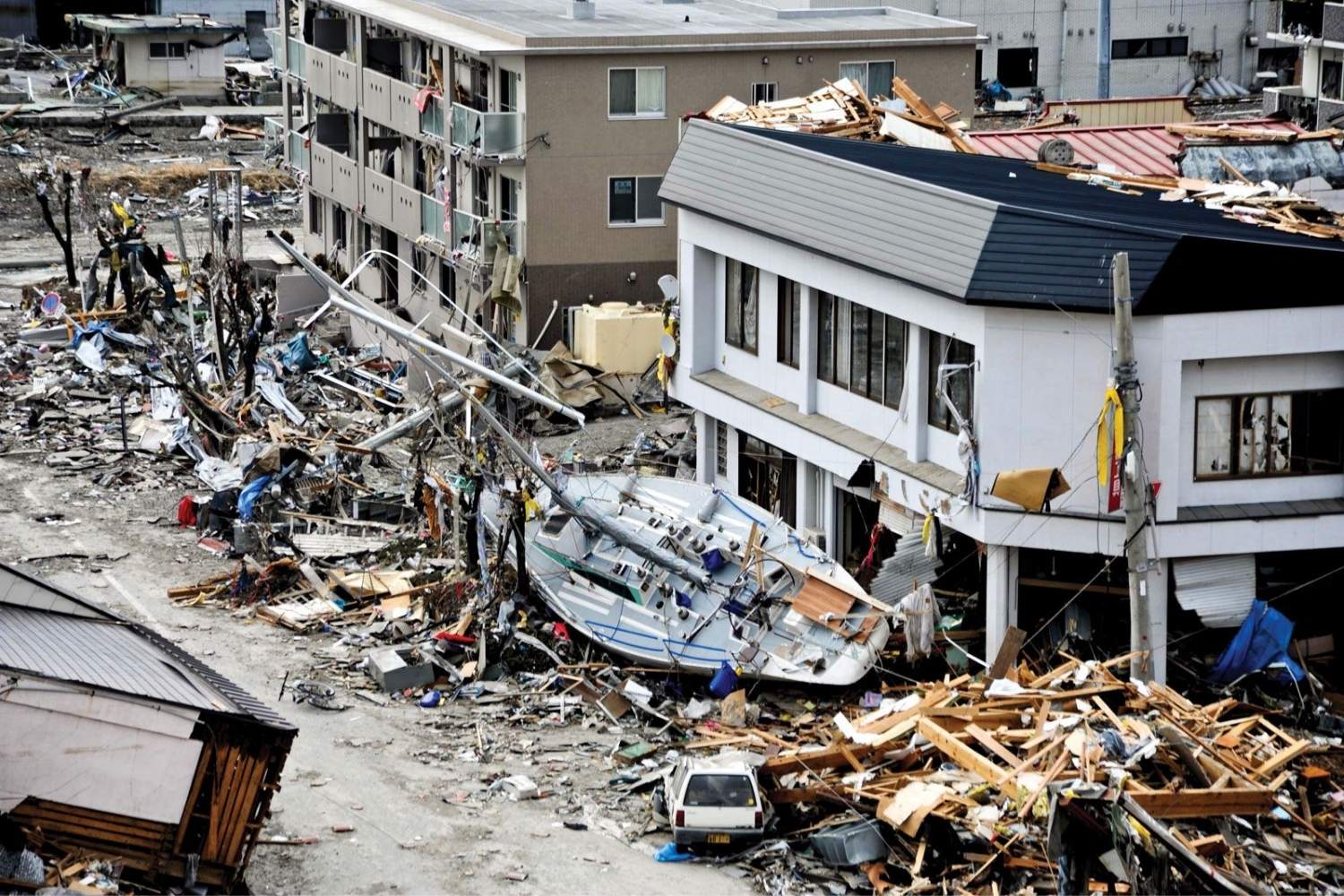
Why does Japan experience so many earthquakes? Japan sits on the Pacific Ring of Fire, a major area in the Pacific Ocean where many earthquakes and volcanic eruptions occur. This region is home to multiple tectonic plates, including the Pacific Plate, Philippine Sea Plate, Eurasian Plate, and North American Plate. These plates constantly shift and grind against each other, causing frequent seismic activity. Japan's unique location makes it one of the most earthquake-prone countries in the world. Understanding these natural phenomena helps us appreciate the resilience and preparedness of the Japanese people in facing such challenges.
Japan's Seismic Activity
Japan is one of the most earthquake-prone countries in the world. This is due to its location along the Pacific Ring of Fire, where several tectonic plates meet. Here are some fascinating facts about earthquakes in Japan.
-
Japan experiences about 1,500 earthquakes each year. Most are minor, but some can be quite powerful.
-
The Great Kanto Earthquake of 1923 was one of the deadliest in Japan's history, killing over 140,000 people.
-
Japan has a sophisticated early warning system that can detect earthquakes and send alerts to residents within seconds.
-
The 2011 Tohoku earthquake and tsunami caused the Fukushima Daiichi nuclear disaster, one of the worst nuclear accidents in history.
-
Earthquakes in Japan can trigger tsunamis, which are large ocean waves caused by underwater seismic activity.
Historical Earthquakes
Japan's history is marked by several significant earthquakes that have shaped its culture and infrastructure.
-
The Ansei Edo earthquake in 1855 destroyed over 14,000 buildings in Tokyo and killed more than 7,000 people.
-
The Nankai Trough, a submarine trench south of Japan, has produced several massive earthquakes over the centuries, including the 1946 Nankai earthquake.
-
The 1995 Kobe earthquake, also known as the Great Hanshin earthquake, resulted in over 6,000 deaths and left more than 300,000 people homeless.
-
The 1707 Hoei earthquake was followed by the eruption of Mount Fuji, Japan's tallest volcano.
-
The 1891 Mino-Owari earthquake is one of the largest inland earthquakes in Japan, with a magnitude of 8.0.
Earthquake Preparedness
Given the frequency of earthquakes, Japan has developed extensive measures to prepare for and mitigate their impact.
-
Japanese buildings are constructed with earthquake-resistant designs, including shock absorbers and flexible materials.
-
Schools and workplaces regularly conduct earthquake drills to ensure everyone knows how to respond during an earthquake.
-
Japan's bullet trains, or Shinkansen, are equipped with automatic braking systems that activate during seismic activity.
-
Emergency kits, known as "go-bags," are commonly kept in homes and offices, containing essentials like water, food, and first aid supplies.
-
The Japanese government provides extensive public education on earthquake preparedness, including TV programs and pamphlets.
Technological Innovations
Japan leads the world in earthquake detection and response technologies.
-
Seismometers are installed throughout the country to monitor seismic activity and provide real-time data.
-
The Japan Meteorological Agency (JMA) operates a comprehensive earthquake and tsunami warning system.
-
Advanced computer models predict the impact of potential earthquakes and help in urban planning and disaster response.
-
Japan has developed "smart" buildings that can adjust their structure in real-time to minimize damage during an earthquake.
-
The country uses drones and robots for search and rescue operations in the aftermath of earthquakes.
Cultural Impact
Earthquakes have influenced Japanese culture, art, and traditions in various ways.
-
Traditional Japanese architecture, such as pagodas, is designed to be earthquake-resistant with flexible wooden structures.
-
Earthquakes are a common theme in Japanese literature and films, reflecting the country's experiences and resilience.
-
The Japanese practice of "jishin-yobou" involves rituals and prayers to protect against earthquakes.
-
Earthquake memorials and museums, like the Kobe Earthquake Memorial Museum, educate the public and honor victims.
-
Annual events, such as Disaster Prevention Day on September 1st, raise awareness and promote earthquake preparedness.
Japan's relationship with earthquakes is complex and deeply ingrained in its society. Understanding these facts helps appreciate the resilience and innovation that define this remarkable country.
The Final Shake-Up
Japan's earthquakes are a testament to the country's resilience and preparedness. From the Great Kanto Earthquake of 1923 to the Tohoku Earthquake in 2011, these natural events have shaped Japan's infrastructure, culture, and emergency response systems. The seismic activity is a constant reminder of the tectonic plates shifting beneath the surface. Japan's early warning systems, earthquake-resistant buildings, and community drills showcase how the nation has adapted to these challenges. Understanding these facts not only highlights the geological aspects but also the human spirit's ability to adapt and thrive. Whether you're a student, a traveler, or just curious, knowing about Japan's earthquakes gives insight into a country that stands strong amidst constant tremors. Stay informed, stay prepared, and appreciate the incredible resilience of Japan and its people.
Was this page helpful?
Our commitment to delivering trustworthy and engaging content is at the heart of what we do. Each fact on our site is contributed by real users like you, bringing a wealth of diverse insights and information. To ensure the highest standards of accuracy and reliability, our dedicated editors meticulously review each submission. This process guarantees that the facts we share are not only fascinating but also credible. Trust in our commitment to quality and authenticity as you explore and learn with us.